Business
Why Hundreds of Ships Are Still Avoiding the Strait of Hormuz Despite a Peace Deal
Why Hundreds of Ships Are Still Avoiding the Strait of Hormuz Despite a Peace Deal

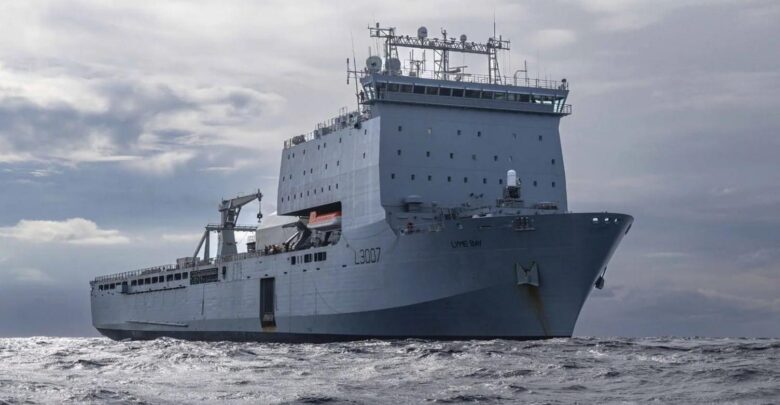
The Strait of Hormuz may be slowly reopening, but many of the world’s largest shipping companies are still refusing to send vessels through one of the most important waterways on the planet.
A preliminary agreement between the United States and Iran has eased fears of a prolonged conflict in the Gulf, yet maritime traffic remains far below normal levels. Analysts say there are three key reasons why shipping companies are still reluctant to return.
1. The Security Threat Has Not Fully Disappeared
Although diplomatic progress has been made, shipowners remain concerned about the possibility of fresh attacks. Since the conflict began earlier this year, commercial vessels have faced missile strikes, drone attacks, seizures and harassment in and around the Strait of Hormuz. Even with a ceasefire framework in place, insurers and operators fear the situation could deteriorate quickly.
2. Mines and Navigation Risks Remain
Industry experts warn that the waterway cannot instantly return to normal operations. Parts of the Gulf still require extensive security checks, and concerns remain over possible naval mines and other hazards left behind during months of conflict. Maritime authorities are proceeding cautiously, with only a limited number of vessels currently being allowed through some routes.
3. Shipping Companies Want Certainty Before Returning
For global shipping firms, a ceasefire announcement alone is not enough. Companies are waiting for clear rules on navigation, insurance coverage and long-term security arrangements before risking billion-dollar cargoes. Some analysts say uncertainty over future transit fees, escort requirements and political tensions is keeping many vessels anchored outside the strait.
The result is a massive backlog. Hundreds of ships remain delayed while only a small number have resumed transit. Experts estimate it could take weeks, and possibly months, for traffic through the Strait of Hormuz to return to pre-conflict levels.
The Strait of Hormuz handles roughly a fifth of the world’s oil trade, making it one of the most strategically important chokepoints on Earth. Until shipping companies are convinced that the route is genuinely safe, many captains and cargo owners appear willing to wait rather than take the risk.
Source BBC NEWS