International News
Inching Toward War: US Launches Ninth Night of Strikes on Iran as Trump Vows Crushing Retaliation for Soldier Deaths
Inching Toward War: US Launches Ninth Night of Strikes on Iran as Trump Vows Crushing Retaliation for Soldier Deaths

WASHINGTON — The United States launched its ninth consecutive night of airstrikes against Iran in the early hours of Monday, July 21, 2026, hours after President Donald Trump issued his most direct threat yet to Tehran — warning that Iran would “pay many times over” for every American soldier it kills.
It is a war that began five months ago and shows no sign of ending.
**Three Soldiers Dead. Seventeen in Total.**
The Pentagon confirmed over the weekend that three US service members were killed in the latest exchanges of fire — two soldiers at a military base in Jordan on Friday, killed while defending against Iranian ballistic missile and drone attacks, and a third in northern Iraq, who died during the “controlled detonation” of a downed Iranian drone. The deaths bring the total number of American troops killed since the conflict began in late February to seventeen, with nearly 430 service members injured — though the Pentagon has been criticised for being slow to publicly disclose the full scale of military casualties during the campaign.
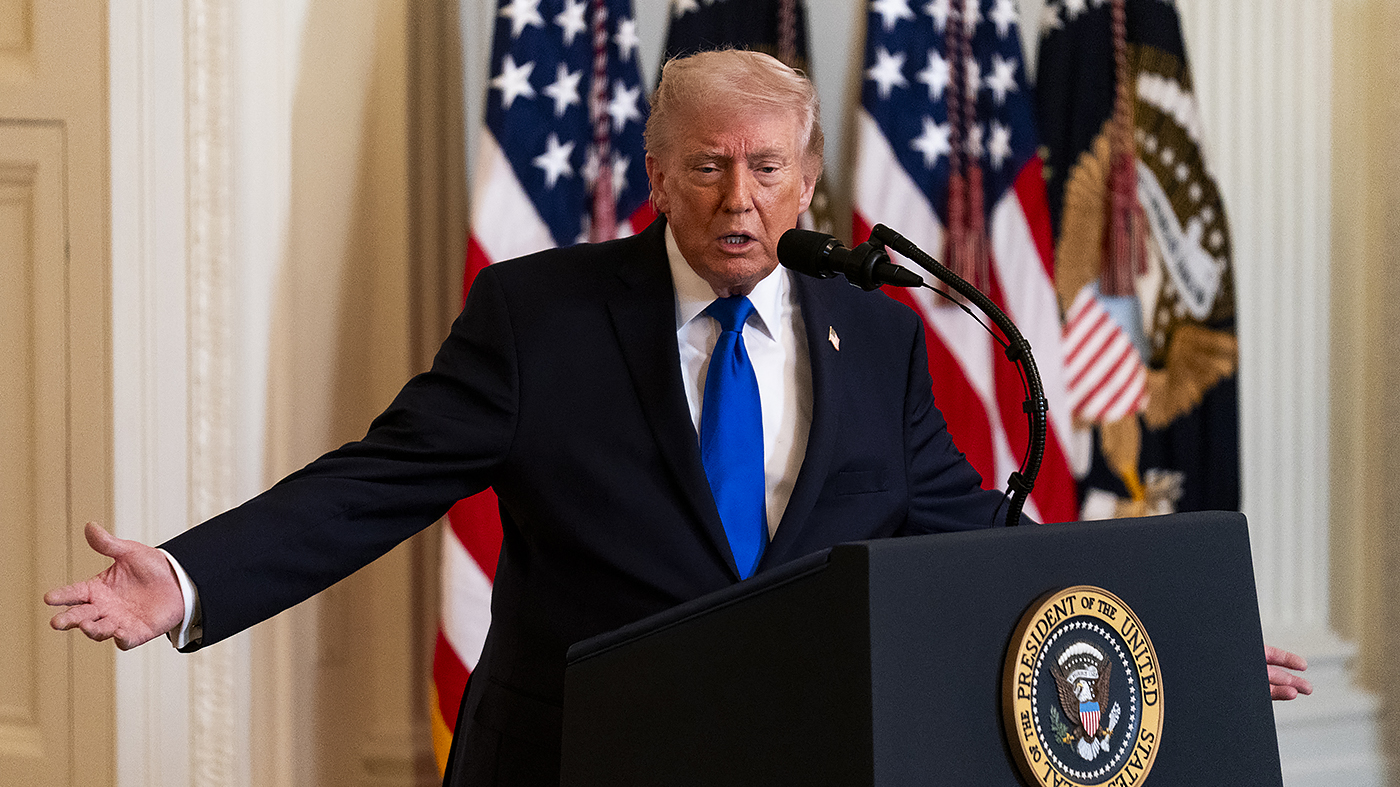
The White House said Trump would attend dignified transfer ceremonies at Dover Air Force Base in Delaware for the service members killed over the weekend.
**What the US Is Targeting**
Monday’s strikes — the ninth in an unbroken nightly campaign — targeted areas around an Iranian city believed to house underground missile bases, US Central Command confirmed. Earlier strikes during the campaign have hit Iranian bridges, electrical facilities, air defence systems, Revolutionary Guard installations and naval assets. In the opening wave of strikes on February 28 — which Trump announced under the name Operation Epic Fury and described as aimed at “destroying Iranian missiles and annihilating its navy” — US forces struck hundreds of targets in coordination with Israeli forces. Nine Iranian naval vessels were sunk. Iran’s Supreme Leader, Ayatollah Ali Khamenei, was killed during those opening strikes.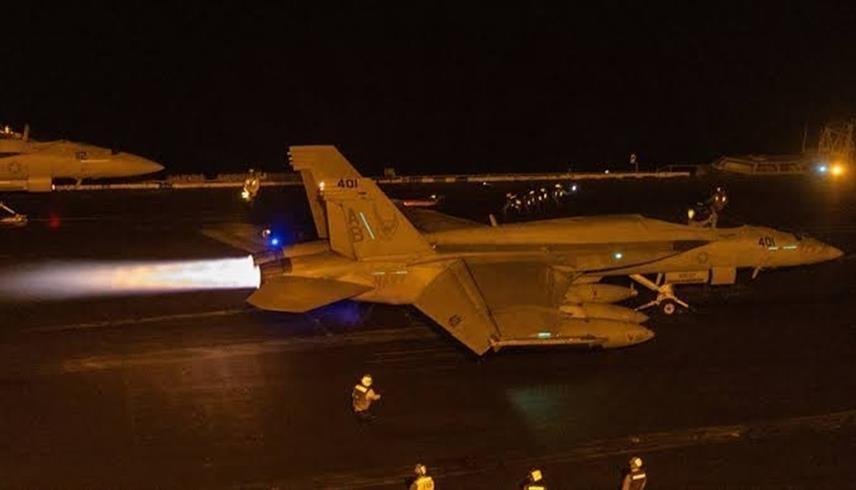
The strikes on Sunday also targeted the Darkhovin nuclear power plant construction site near the Iraqi border — a move that drew immediate international condemnation. Iran’s Atomic Energy Organisation confirmed the strike, and Iranian Vice President for Legal Affairs Majid Gheybparvar told state broadcaster IRIB that the attack on what he described as peaceful nuclear infrastructure placed full responsibility for escalating instability on the United States. “Iran will take appropriate measures to defend its national interests and security,” he said.
**Iran Strikes Back — Regional Allies Under Fire**
Iran has not absorbed the strikes passively. On Monday, Tehran retaliated with missile and drone attacks on Kuwait and Bahrain — home of the US Navy’s 5th Fleet. Kuwait’s military confirmed it had intercepted hostile targets. Air raid sirens sounded in Bahrain. Jordan reported downing Iranian missiles over its territory. The spreading of Iranian retaliatory strikes across multiple allied nations has intensified fears of a broader regional conflagration, raising urgent alarms in capitals from London to Beijing.
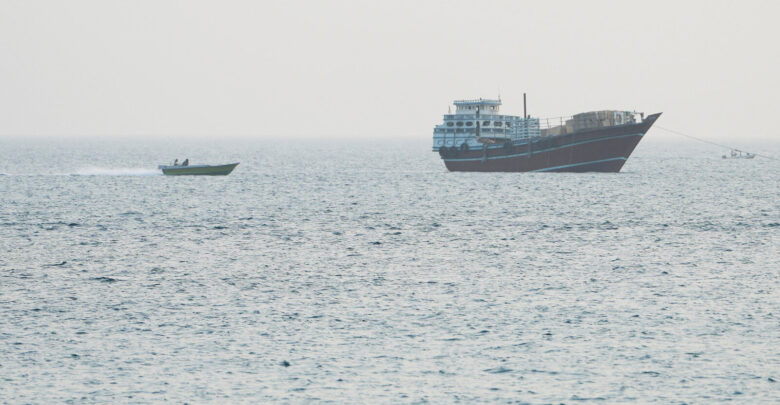
The conflict has already disrupted shipping through the Strait of Hormuz — one of the world’s most critical oil transit routes — on multiple occasions, sending oil markets into intermittent turbulence and prompting emergency consultations among Gulf states.
**US Sends More Jets, Eyes Escalation**
The military build-up in the region is accelerating. A US official confirmed Monday that additional F-16 and F-35 fighter jets are being flown in from bases in Europe, along with dozens of aerial refuelling tankers — many of which have already arrived in Israel with more incoming. The reinforcement signals that Trump is actively considering further escalation rather than a drawdown, even as military planners privately acknowledge that the campaign has entered a phase of diminishing returns on its original objectives.
National Security Council spokesman Brian Wright, speaking Sunday on ABC’s This Week programme, sought to frame the losses in strategic terms. “It is tragic to lose American lives,” he said, “but this is a mission that will save countless lives going forward. The President’s focus is on degrading the Iranian ability to terrorise the world, to hold world commerce hostage, and to prevent Iran from getting nuclear weapons. That is unchanged.”
**A Conflict That Has Already Changed the Middle East**
The US-Iran conflict that has unfolded since late February has already redrawn the strategic map of the Middle East. Iran’s Supreme Leader is dead. Its nuclear sites have been repeatedly struck. Its navy has been substantially degraded. And yet Iran continues to fight — launching missiles and drones at American bases, at Israel, at Gulf state allies and at regional shipping, demonstrating a capacity for retaliation that Washington’s planners appear to have underestimated.
The human cost continues to mount on all sides. Anti-war protests have erupted in major US cities. Security has been tightened around American embassies globally. In Austin, Texas, authorities are investigating a recent shooting as a potential act of domestic terrorism linked to the conflict.
A fragile truce struck between the two sides last month collapsed over the weekend under the weight of renewed exchanges. Iran’s surviving leadership has dismissed Trump’s word as, in their characterisation, “utterly worthless.” Trump has called for regime change, urging Iranians to take control of their own government.
What began as a military campaign with specific objectives — denuclearisation, degrading Iranian military capacity — has evolved into something considerably harder to define, and considerably harder to end.
SOURCE NILEPOST