International News
Battle for Jerusalem: Why a Sacred Site Is Becoming the Center of a Growing Political Storm
Battle for Jerusalem: Why a Sacred Site Is Becoming the Center of a Growing Political Storm

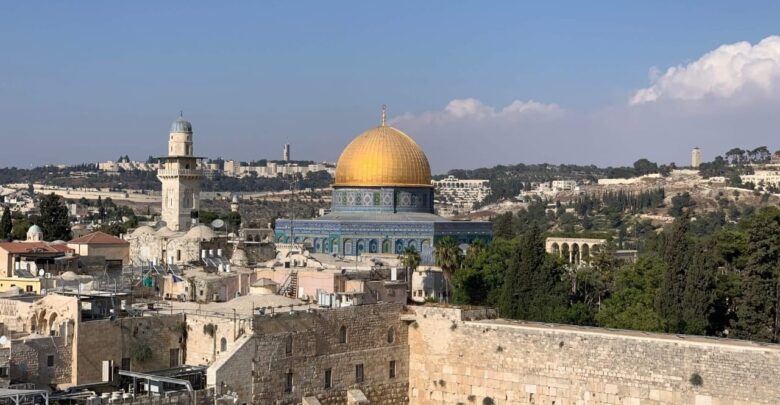
One of the world’s most sensitive religious sites is facing mounting pressure as Israeli nationalist activists increasingly challenge long-standing rules governing worship at Jerusalem’s Al-Aqsa Mosque compound, raising fears of a wider regional crisis.
The site, known to Muslims as Al-Haram Al-Sharif and to Jews as the Temple Mount, is revered as Islam’s third-holiest site and Judaism’s most sacred location. For nearly six decades, a delicate arrangement known as the “status quo” has governed access to the compound. Under the agreement, Muslims are permitted to pray at the site while non-Muslims, including Jews, may visit but are not officially allowed to conduct prayers there.
That arrangement is now coming under unprecedented strain.
In recent years, growing numbers of Israeli nationalist and religious activists have openly pushed for expanded Jewish prayer rights at the compound. Critics say Israeli authorities have increasingly tolerated or failed to prevent acts that were once considered violations of the status quo, including visible Jewish prayers at the site.
The debate has intensified under the influence of far-right politicians, including Israeli National Security Minister Itamar Ben-Gvir, who has repeatedly visited the compound and publicly advocated for greater Jewish access and worship rights. His visits have drawn strong condemnation from Jordan, Palestinian leaders and several international actors who view such actions as provocative and potentially destabilizing.
Experts warn that even seemingly minor changes at the site can trigger far-reaching consequences. Jerusalem’s holy compound has historically been a flashpoint for unrest, with previous disputes over access and control contributing to major outbreaks of violence. Analysts describe Al-Aqsa as one of the most politically explosive locations in the Middle East, where religious symbolism and national identity are deeply intertwined.
Jordan, which serves as custodian of Muslim holy sites in Jerusalem through the Islamic Waqf administration, has repeatedly called for the preservation of the existing arrangements. International organizations and diplomats have also urged all parties to avoid actions that could alter the site’s historic character.
Supporters of expanded Jewish prayer rights argue that Jews should be free to worship at their holiest site. Opponents counter that changing the current system risks inflaming tensions across Jerusalem, the Palestinian territories and the wider Muslim world.
With the war in Gaza continuing to fuel regional tensions, concerns are growing that any perceived shift in the status quo could ignite another wave of unrest. For many observers, the struggle over Jerusalem’s holiest site is no longer simply about access to a place of worship—it has become a test of whether one of the region’s most fragile understandings can survive in an increasingly polarized political climate.
Source BBC NEWS