International News
NATO Downs Drone Over Lithuania as Polish Airspace Goes on Alert: Europe’s Eastern Flank on Edge
NATO Downs Drone Over Lithuania as Polish Airspace Goes on Alert: Europe's Eastern Flank on Edge

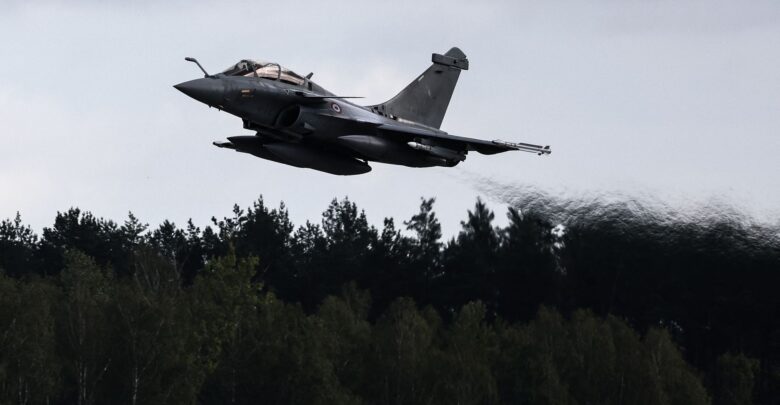
VILNIUS — Shortly after midnight on Tuesday, radar screens across Lithuania lit up. An unidentified drone had crossed into Lithuanian airspace from the direction of Belarus, heading west through the night sky toward the country’s heartland. Air raid alerts sounded across Vilnius and the surrounding capital region. In Kaunas, Lithuania’s second-largest city, sirens rang out.
Italian Air Force Typhoon fighter jets — deployed at Šiauliai Air Base as part of NATO’s Baltic Air Policing mission — were scrambled. Near Pratkūnai village in Kaunas County, close to the Kruonis hydroelectric power plant, the drone was intercepted and shot down.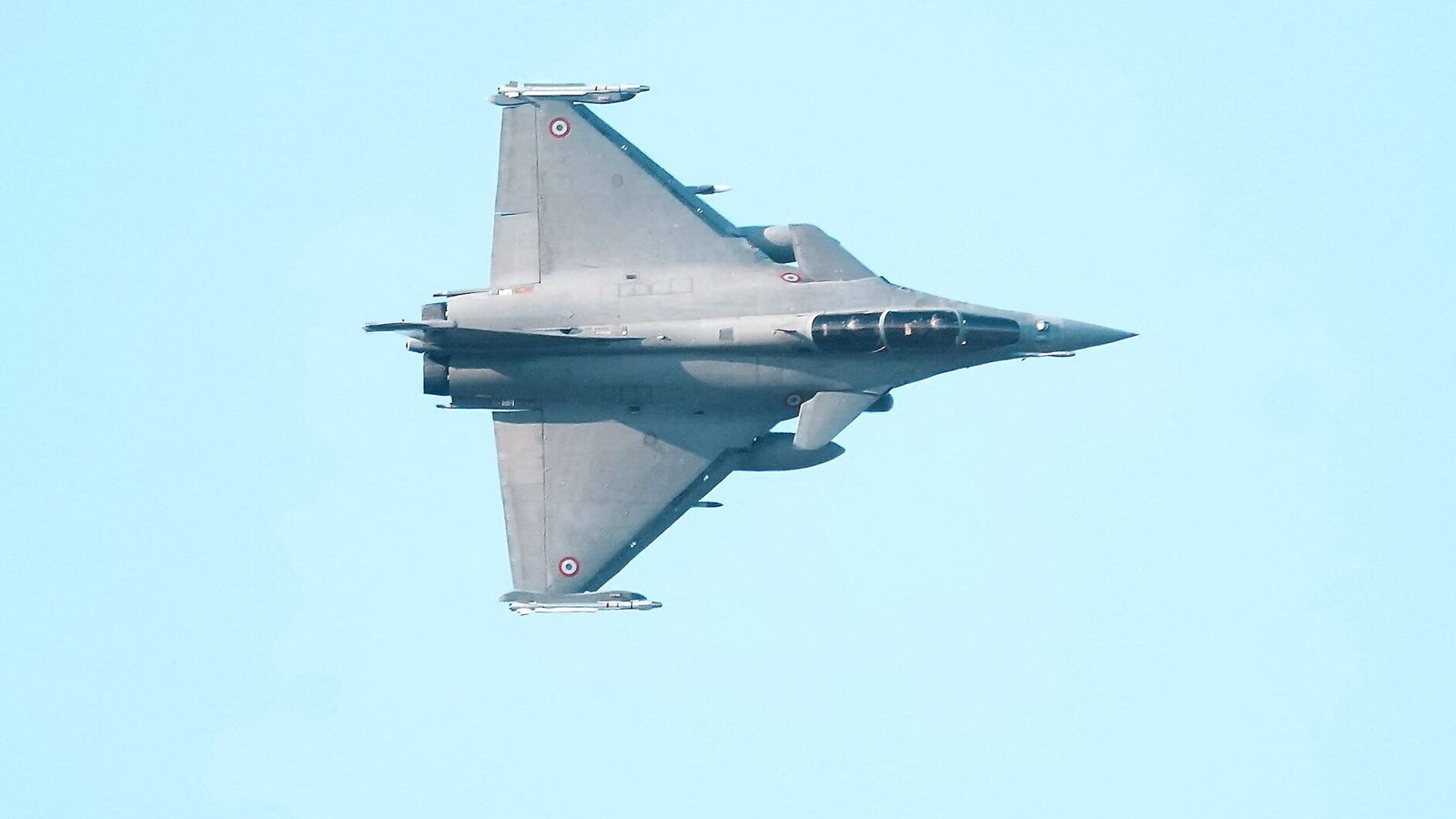
It took approximately 30 minutes from the drone’s entry into Lithuanian airspace to its destruction. By the time dawn broke over Vilnius, it was already one of the most significant air defence events on NATO’s eastern flank in recent weeks.
**What Happened**
Lithuania’s National Crisis Management Centre confirmed the incident in the early hours of Tuesday, September 15. The drone was detected crossing into southern Lithuanian airspace shortly after midnight, appearing to enter from Belarus and tracking westward through central Lithuania. It passed over Vilnius before NATO fighters brought it down near Kaunas — a detail that underlines just how deep into Lithuanian territory the drone penetrated before being intercepted.
Lithuanian President Gitanas Nausėda posted on X without delay. “A drone that just entered Lithuanian airspace was destroyed by NATO fighter jets,” he wrote. “With Russia intensifying its aggression against Ukraine, such readiness is vital for our region. Together with our NATO Allies, Lithuania will defend its airspace.”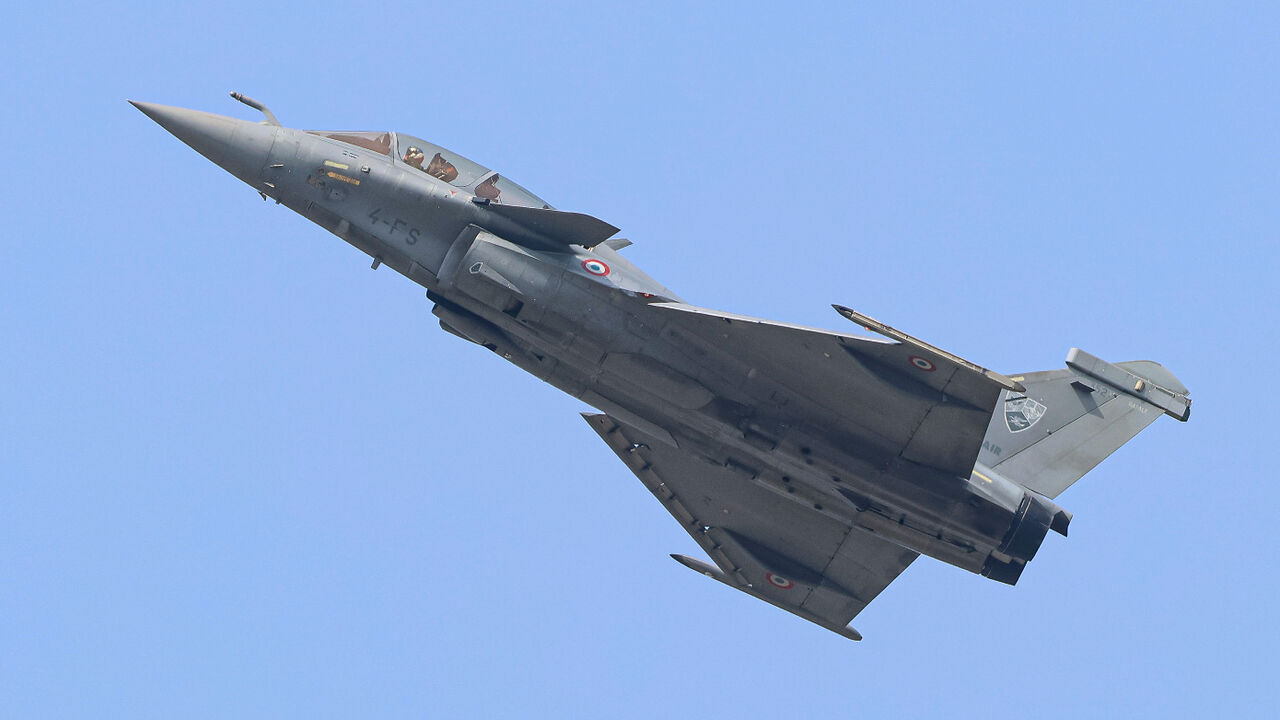
The Lithuanian Ministry of Defence confirmed that the intercept was carried out by Italian Air Force Typhoon pilots at Šiauliai — a NATO rotation that has provided air policing over the three Baltic states since 2004 and which has become an increasingly operational posting as the war in Ukraine has turned Baltic airspace into a contested environment.
Lithuania’s Foreign Minister Kęstutis Budrys moved swiftly to thank allied nations. “Whose presence helps protect our skies and strengthens our security,” he wrote on X. “This is the best example of Allied unity and resolve in action — sending a clear message that NATO stands vigilant, committed, and ready.”
The origin of the drone was not formally confirmed at time of publication. While preliminary data from the National Crisis Management Centre indicated it entered from the direction of Belarus, a spokesperson said the drone’s origin had not yet been definitively established. Moscow had not commented.
**Poland On Alert**
Hours after Lithuania’s incident, Poland announced that aviation operations had commenced in its own airspace due to what Warsaw described as “the activity of Russian Federation’s jet-powered unmanned aerial vehicles conducting strikes on Ukrainian territory.” Polish authorities said the operations were preventive in nature, aimed at securing airspace in areas adjacent to threatened regions.
The back-to-back alerts in Lithuania and Poland on the same night paint a picture of an eastern NATO flank under sustained aerial pressure — a pressure that has been building since Russia launched its full-scale invasion of Ukraine in February 2022 and has intensified dramatically as both sides in the Ukraine conflict have escalated their drone warfare campaigns to unprecedented scale and range.
**A Pattern That Has Become a Crisis**
Lithuania, Latvia and Estonia — three NATO member states sharing long borders with Russia and hosting a land border between Belarus and the Russian exclave of Kaliningrad — have become the most exposed point on the alliance’s eastern edge. Drone intrusions, mysterious aerial contacts and suspected Russian testing of NATO response capabilities have become a near-weekly occurrence.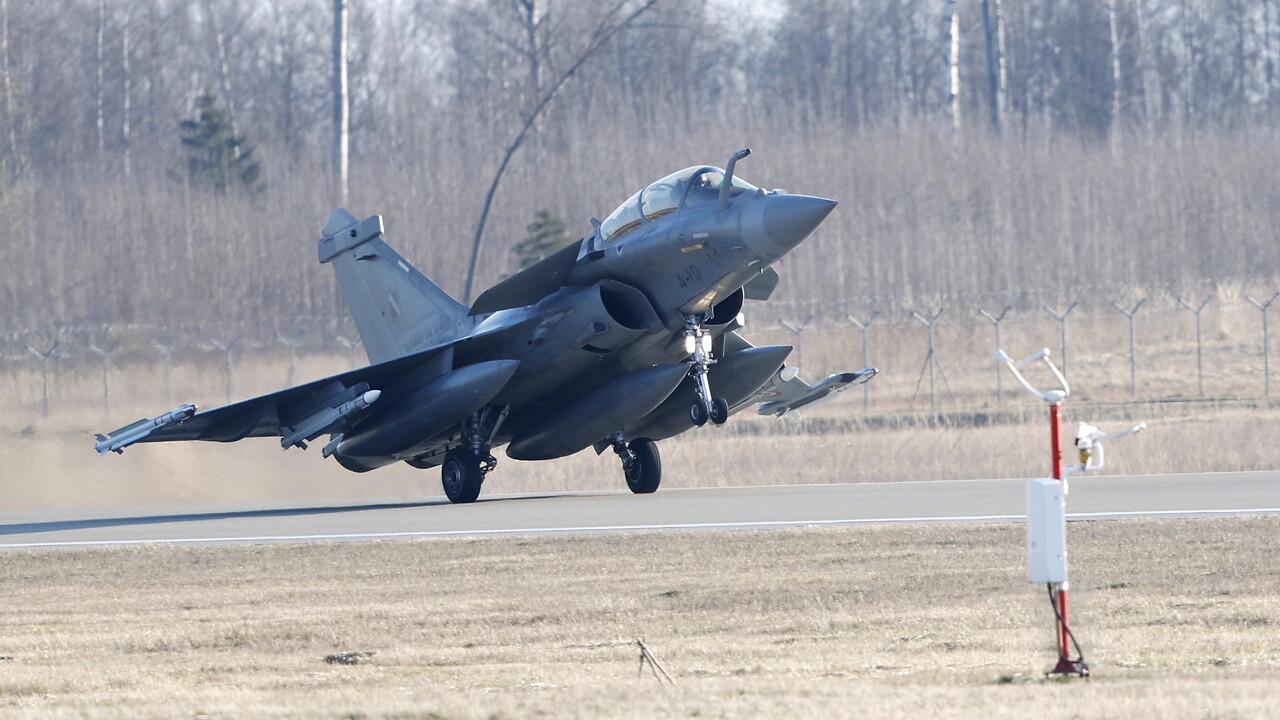
On September 13 — just two days before Tuesday’s incident — Lithuania had issued an air alert that was ultimately traced to a flock of birds rather than a hostile aircraft, a false alarm that illustrated both the hypervigilance now embedded in Baltic air defence procedures and the risk of alert fatigue when every radar contact must be treated as a potential threat. Aerotime reported that 22 smuggling drones had already been recorded in Lithuanian airspace during September 2026 alone by September 13 — a figure that speaks to the extent to which Baltic airspace has become a contested environment even in the absence of direct armed conflict.
In October 2025, two Russian military aircraft — an Su-30 fighter and an Il-78 refuelling tanker — briefly violated Lithuanian airspace in what Lithuanian President Nausėda described at the time as a blatant breach of international law. Three Russian jets violated Estonian airspace for twelve minutes in September 2025. NATO jets shot down twenty Russian drones that entered Polish airspace in October 2025 — the first time the alliance had directly engaged with Russian aerial assets since the war began.
Each incident has been met with statements of condemnation, expressions of allied solidarity and pledges of continued vigilance. None has yet escalated to direct military confrontation between NATO and Russia. Whether Tuesday’s shootdown over Lithuania — the most recent in an accelerating sequence — changes that calculus in Moscow’s strategic thinking is the question that analysts in Washington, Brussels and Warsaw are now asking.
**Ukraine’s Energy Truce — and Its Limits**
The timing of Tuesday’s Lithuanian incident carries additional diplomatic significance. It occurred on the same day that Ukrainian President Volodymyr Zelenskyy said Ukraine was ready for “de-escalatory steps” if Russia did the same, following US President Donald Trump’s announcement that both sides had agreed to stop targeting each other’s energy infrastructure. That energy truce — fragile, limited in scope and greeted with scepticism by European allies who have heard previous Russian pledges — does nothing to address the wider aerial campaign over Ukraine and its spillover into NATO territory.
A drone downed over Kaunas County at midnight is not the energy truce’s concern. It is NATO’s. And on Tuesday morning, NATO showed it was ready.
SOURCE BBC NEWS