EnvironmentLocal News
Uganda Gave Refugees Everything. Now the Money Has Run Out.
Uganda Gave Refugees Everything. Now the Money Has Run Out.

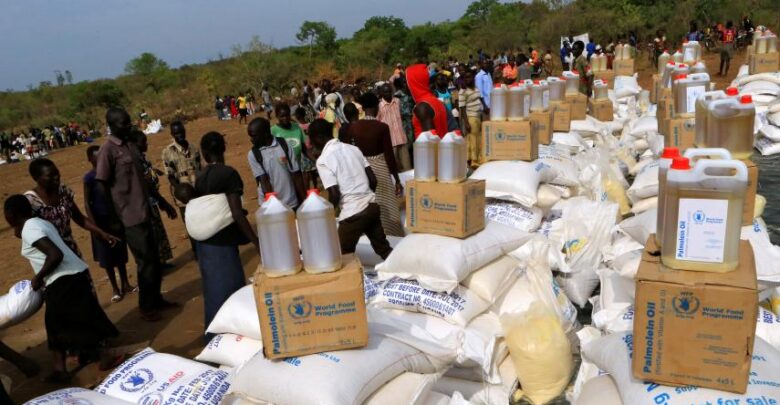
NAKIVALE — Her name is not in any donor report. Her children do not appear in any funding appeal. But she is why the Uganda Refugee Model existed — and she is why its collapse matters.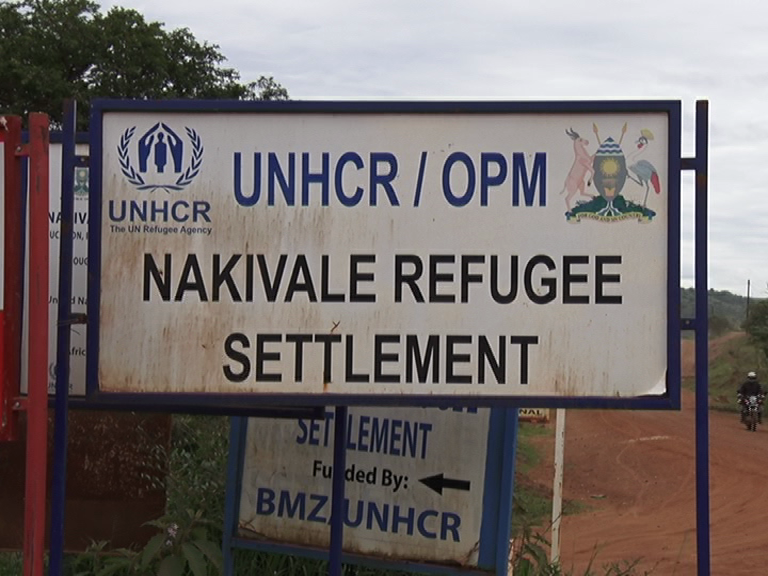
She came from South Sudan. She was given a plot of land in Nakivale Refugee Settlement in Isingiro District — one of Africa’s oldest and largest refugee settlements, a place of red earth and banana trees and more than 140 nationalities living side by side in the southwest of Uganda. She was told she could grow food, build a home, send her children to school, work, move freely. She was told Uganda would protect her.
For years, it did. Now the clinic near her plot has no medicines. The food ration from the World Food Programme has been cut — again. Her daughter missed school last month because there was not enough to eat and she needed to help find money. And the international donors who funded the promise Uganda made to her have largely gone home.
**The Numbers Behind the Failure**
Uganda hosts more than 2 million refugees as of August 2026 — the largest refugee population in Africa. That is fourteen times the number Uganda was hosting when its landmark 2006 Refugees Act came into force. It includes 57 percent from South Sudan, 31 percent from the Democratic Republic of Congo, and smaller populations from Somalia, Burundi, Eritrea, Rwanda, Sudan and Ethiopia — people fleeing wars that did not end and crises that did not resolve.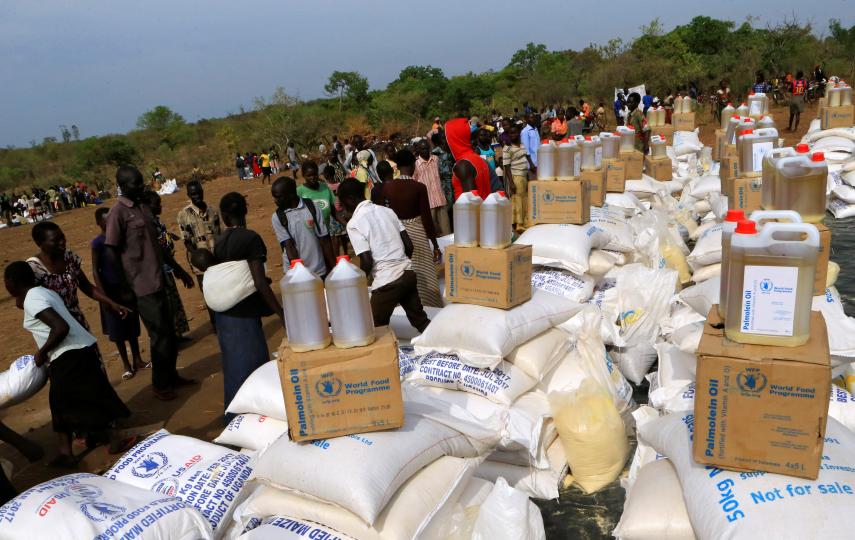
The money to care for them has not kept pace. Not even close.
In January 2026, the International Rescue Committee announced that just 6 percent of the funding required for Uganda’s refugee response had been secured for the year. Six percent. The IRC, one of the largest humanitarian operators in Uganda’s settlements, had already been forced to close health services across eleven refugee settlements — cutting off more than one million people from the medical care they had been relying on. WFP food rations have been cut repeatedly since 2022, with the steepest reductions coming in 2025 and 2026.
The reason is not complicated. Uganda’s refugee response was built on international donor money — overwhelmingly from the United States. When the Trump administration suspended USAID funding and froze American foreign assistance programmes globally, it did not just affect spreadsheets in Geneva. It closed clinics in Nakivale. It cut food in Bidibidi. It left pregnant women without midwives in Kyangwali.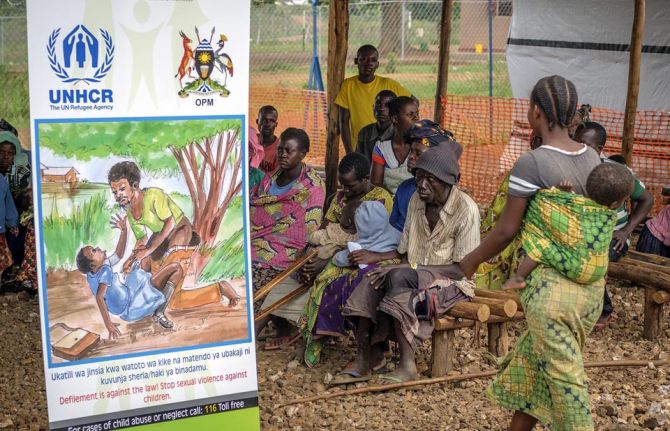
There is a direct line between a decision made in Washington and a child going hungry in western Uganda. That line runs through eleven closed health centres and a 94 percent funding gap.
**The Policy Unravelling**
Under the pressure of an overwhelmed and underfunded system, Uganda has begun quietly dismantling the policies that made its model famous.
In November 2025, Minister of Relief Hilary Onek announced that Uganda would no longer grant refugee status to Ethiopians, Somalis and Eritreans — nationalities that had previously been welcomed under Uganda’s open asylum policy. In early 2026, Uganda suspended the prima facie recognition system — the mechanism that had allowed mass-displacement nationalities like South Sudanese and Congolese to receive group refugee status quickly, without the lengthy individual assessments that a smaller, better-funded system might manage but that today’s system, stretched beyond capacity, simply cannot.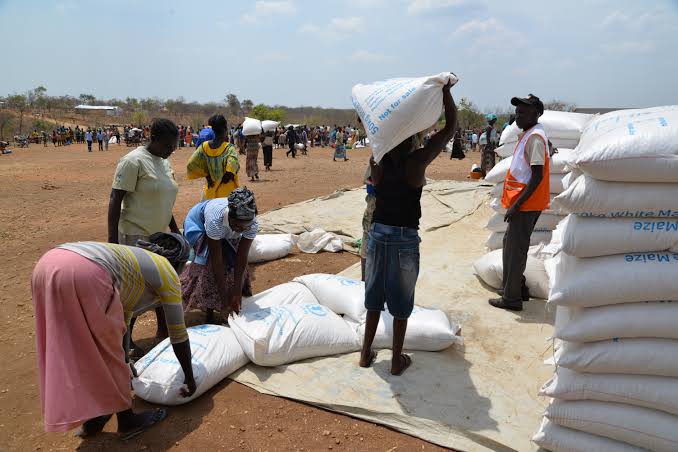
The rollback has created a backlog of tens of thousands of people waiting in legal limbo — neither recognised refugees with full protection nor returned home — at a time when the conflict in eastern DRC and the ongoing displacement from Sudan are driving new arrivals across Uganda’s borders every week.
The situation has attracted the attention of Washington — but not the kind Uganda wanted. Under an Asylum Cooperative Agreement signed in July 2025, the United States began sending asylum seekers whose American claims had been dismissed to Uganda as a third country. Between December 2025 and June 2026, 2,727 people were designated for potential removal to Uganda under the deal — people from Mauritania, Angola, Ethiopia, Mali, Togo, Guinea and elsewhere who had no connection to Uganda and whose futures were being decided by a bilateral agreement between a country that had just cut its humanitarian funding and the country being asked to absorb the consequences.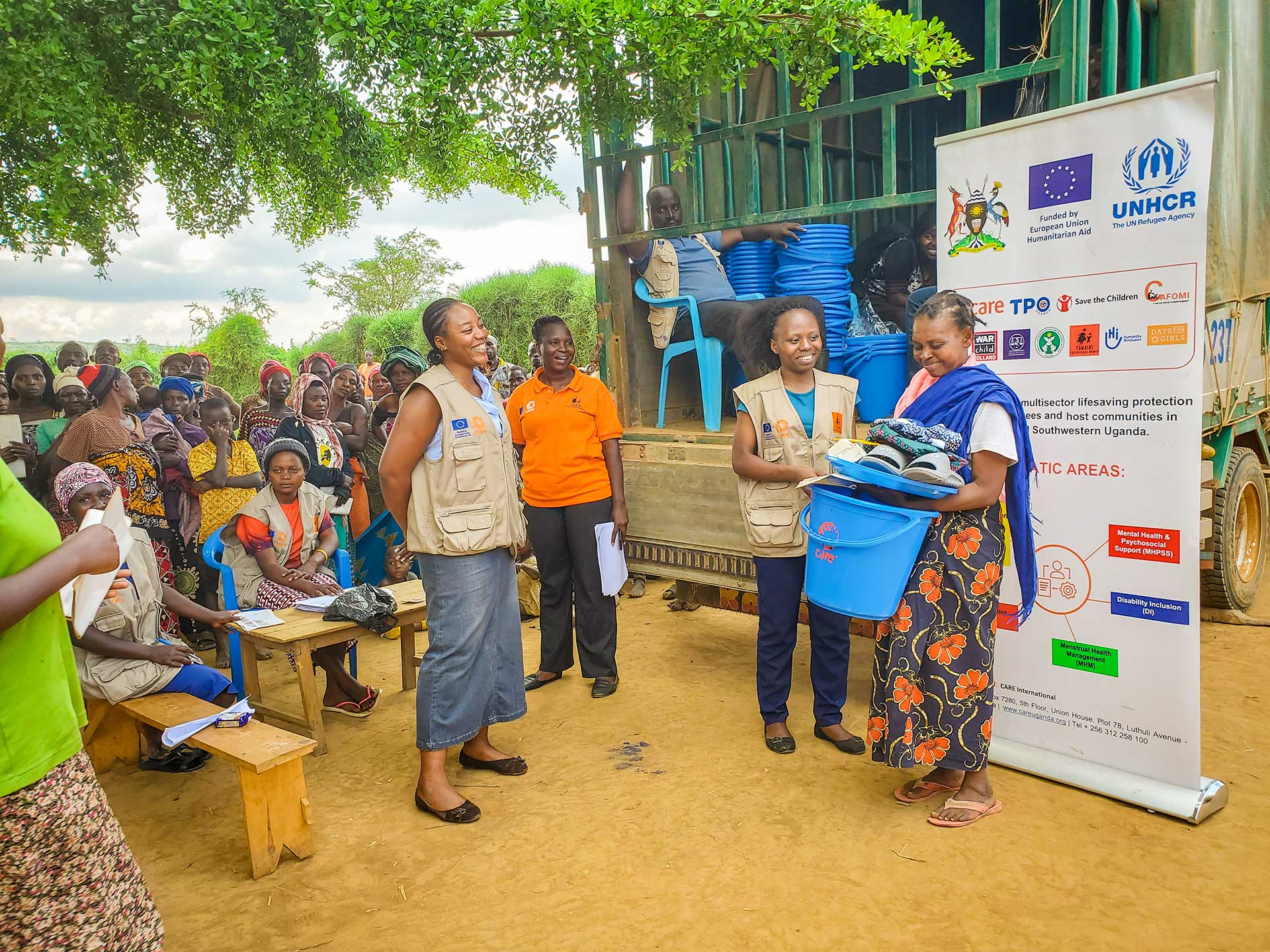
Of the first eight sent, two received refugee status in Uganda, one fled, four returned home and one was still waiting. It is not a model. It is a pressure valve — and Uganda is on the wrong end of it.
**What the Land Cannot Hold**
Refugees International researchers who visited Nakivale in February 2026 documented what two million people in a system built for 140,000 looks like from the ground.
It looks like exhausted soil, stripped of nutrients by decades of continuous cultivation. It looks like settlements where firewood has to be carried from further and further away because the trees nearby are gone. It looks like overcrowded schools where the ratio of children to teachers has doubled and tripled as new arrivals come and donor-funded teacher posts disappear. It looks like health centres where the IRC’s closure notice is still pinned to the wall.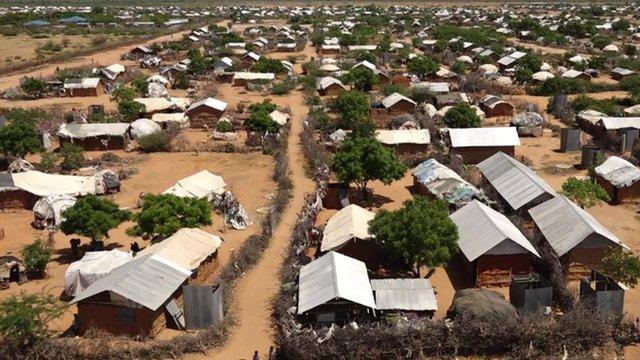
The 2006 Refugees Act promised every refugee household a plot of agricultural land. The land has run out. There are 2 million people and not enough acres to honour the commitment Uganda made to them when it wrote that law.
**The Verdict**
Uganda did not cause the wars that sent 2 million people across its borders. It built the most progressive refugee policy in Africa — perhaps in the world — and it maintained it for decades while wealthy nations with far greater resources debated border walls.
What Uganda could not do — what no single country can do — is sustain a 2-million-person humanitarian operation on 6 percent of the required funding. The Uganda Refugee Model is not failing because Uganda failed. It is failing because the world praised it, pointed to it, published reports about it — and then stopped paying for it.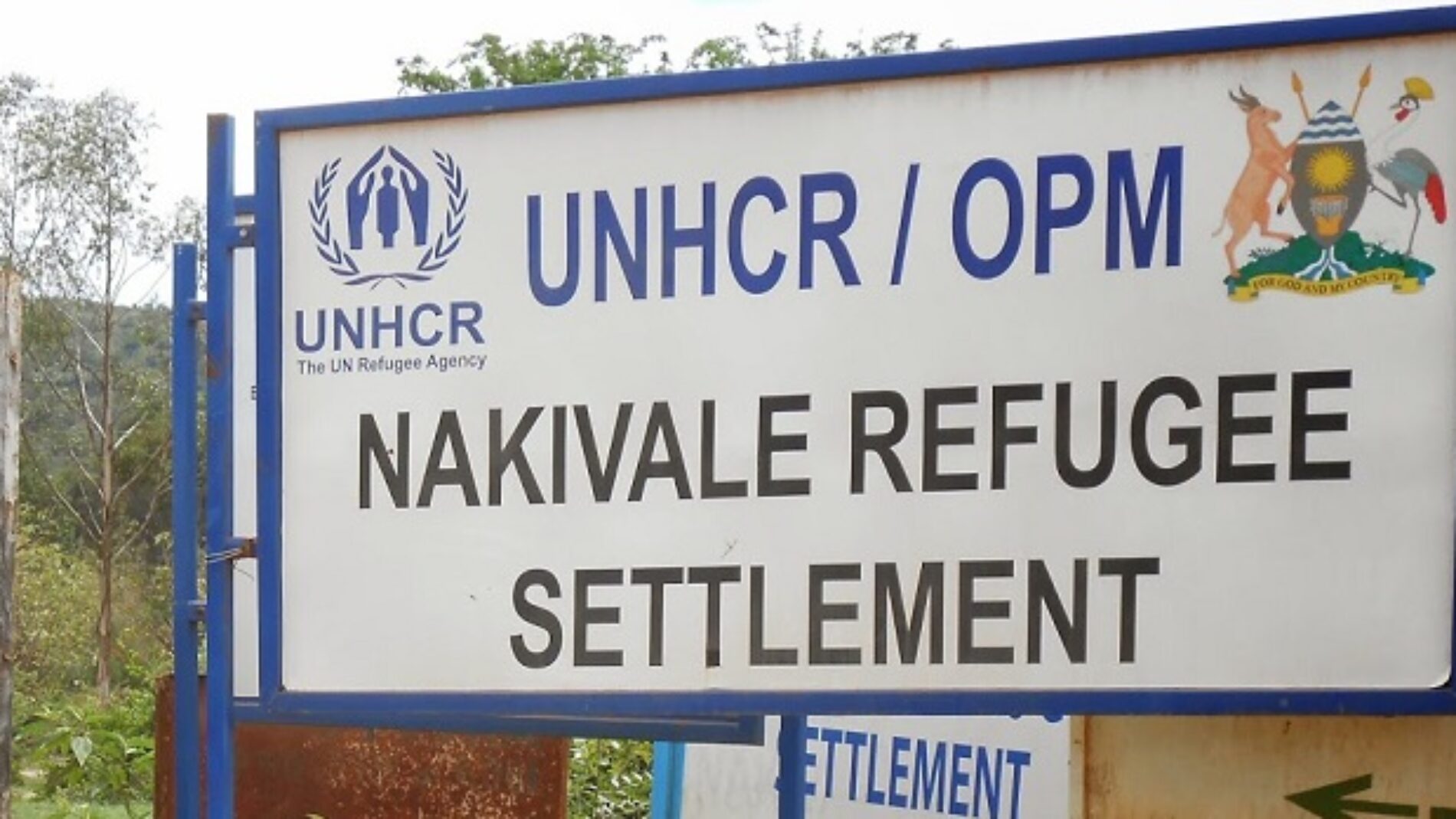
The sanctuary is real. The cracks are real. And the people living inside them deserve better than the gap between what the world promised and what the world delivered.
SOURCE DAILY MONITOR