Local News
They Went to See a Waterfall. They Never Came Home: 20 Pupils and Their School’s Founder Dead in Kapchorwa Bus Disaster
They Went to See a Waterfall. They Never Came Home: 20 Pupils and Their School's Founder Dead in Kapchorwa Bus Disaster

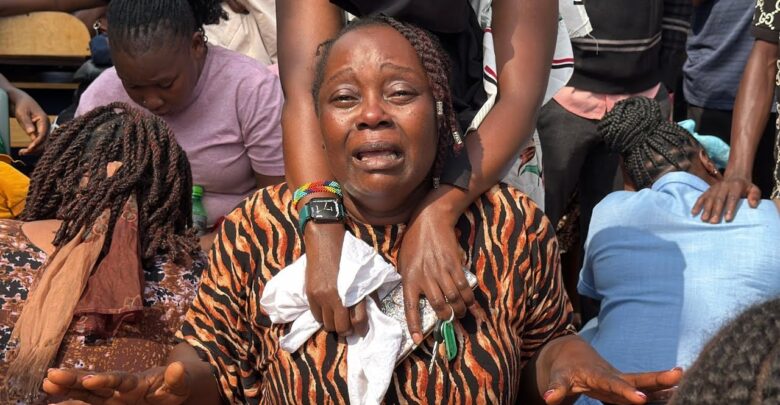
KAPCHORWA — They had gone to see Sipi Falls. To experience one of Uganda’s most breathtaking natural wonders on a school educational tour, cameras in hand, packed lunches eaten, memories being made. By the time the night was over, twenty of them would be dead — and the man who built the school they attended with them.
A school bus carrying pupils of King David Junior School in Ndejje, Wakiso District plunged into a ravine at Chekwatit Hill in Kawowo Sub-county, Kapchorwa District, in the early hours of Thursday, July 17, 2026, killing at least 20 pupils and one adult, and leaving more than 60 others injured. The adult killed was identified as Tadeo Ssekade — the school’s own founder and director, who had accompanied his pupils on what was meant to be a joyful educational excursion to Sipi Falls.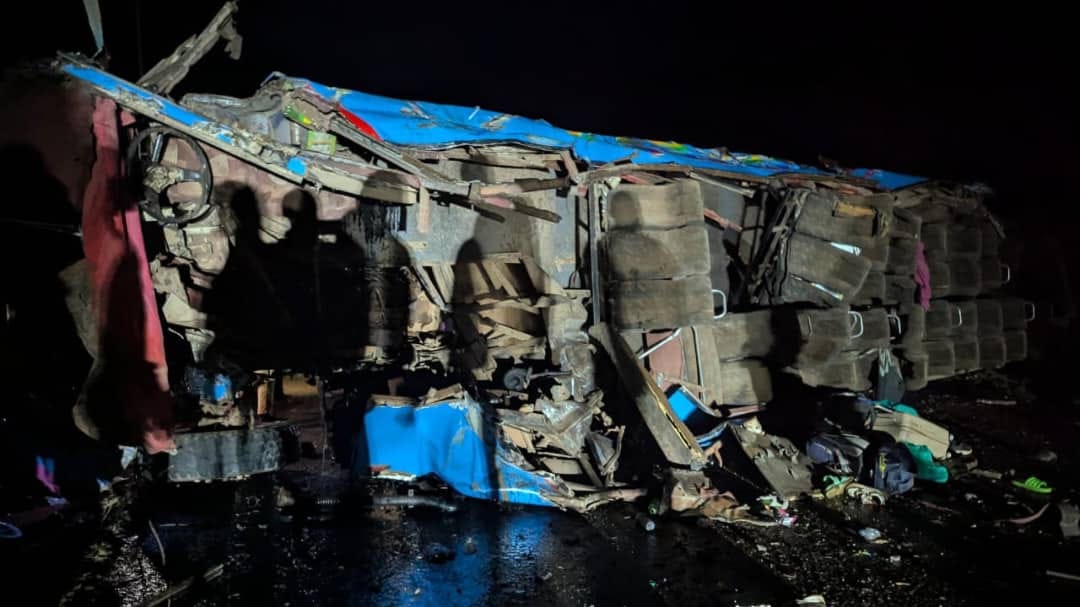
What Happened on Chekwatit Hill
The bus, returning from the falls late at night, lost control on the treacherous descent of Chekwatit Hill. Uganda Police confirmed that the vehicle overturned and plunged off the road. A suspected mechanical fault is under investigation, though no official cause has yet been confirmed. The crash occurred in Chekwatit Village, Kimawa Parish, Kawowo Sub-county — a remote stretch of road known for its steep gradients and sharp curves.
First responders rushed to the scene in darkness. The injured were dispersed across multiple health facilities: nine critically hurt pupils were transferred to Mbale Regional Referral Hospital, while 16 others received treatment at Kaserem Health Centre. Additional casualties were treated at Bulambuli Health Centre IV.
The Kapchorwa Resident District Commissioner Bayole Stanley confirmed 19 deaths in an initial statement, while Minister of Local Government Balaam Barugahara Ateenyi — who was on an official tour of eastern Uganda and rushed to the crash scene — confirmed the toll had risen to 20 pupils and one adult. Sources close to the recovery effort indicated the death toll could rise further as the full scale of the disaster became clearer.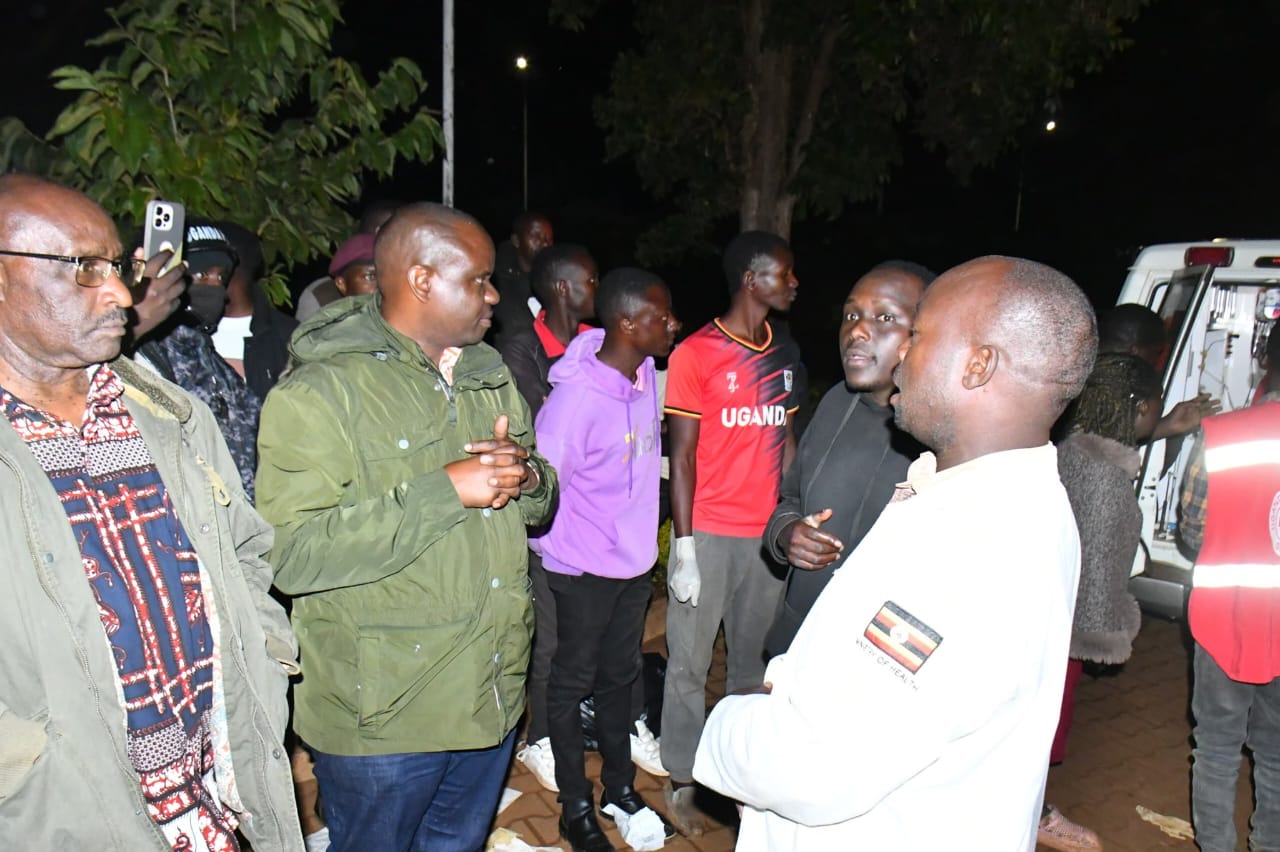
A Founder Who Went With His School
The loss of Tadeo Ssekade alongside his pupils adds a dimension to this tragedy that has cut particularly deep. He did not send his children on the tour. He went with them. The man who built King David Junior School, who gave it its name, who watched its pupils grow — died beside them on a hill in Kapchorwa as the bus he had arranged for them left the road.
For the parents receiving that news in the early hours of Thursday morning, the grief was compounded by questions that demand answers: Why was the bus travelling at night? What was the mechanical condition of the vehicle? Who approved it for a long-distance journey carrying children? Were the pupils wearing seatbelts? Was the driver qualified and rested?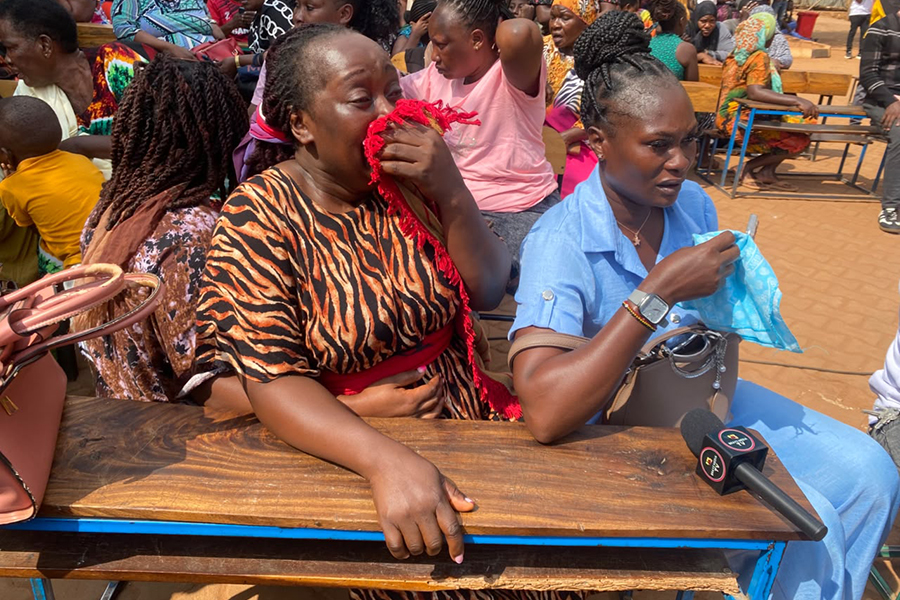
A Pattern Uganda Cannot Afford to Ignore
Thursday’s disaster did not occur in isolation. It is the latest and deadliest in a cluster of school bus tragedies that have struck Uganda in the space of just days. On Tuesday, July 14, a bus carrying students of Amuria High School returning from a geography study tour rammed into a stationary truck on the Mbale-Iganga Highway in Bugweri District, killing the bus driver and injuring 15 students. In eastern Uganda, a separate crash involving a school bus killed one pupil and injured several others in the same week.
The pattern has already drawn sharp calls for action. Parents’ groups and road safety advocates have for years demanded that the government ban night travel by school buses during educational tours — a call that Uganda’s Ministry of Education and Ministry of Works have repeatedly acknowledged but not acted on with sufficient force. The Kapchorwa crash, with its death toll of twenty children and a school director, will make those calls impossible to ignore.
Uganda has a deeply painful record of school tragedies. In 2008, nineteen children died in a dormitory fire at Buddo Junior School. In 2022, eleven pupils were killed in a dormitory blaze at the Salama School for the Blind in Mukono. In June 2023, forty-one people — thirty-eight of them students — were massacred at Lhubiriha Secondary School near the DRC border. Each time, grief was followed by pledges of action. Each time, the action came too slowly, too partially, or not at all.
Twenty families in Ndejje, Wakiso District woke up on Thursday to the news that the child they sent to school this term — the child who packed a bag for Sipi Falls, who may have been excited about the waterfall they were going to see — was not coming home.
Their school’s founder is not coming home either.
SOURCE NILEPOST