Local News
Museveni Purges Top Works Ministry Officials Over Mpigi Expressway Corruption Concerns
Museveni Purges Top Works Ministry Officials Over Mpigi Expressway Corruption Concerns

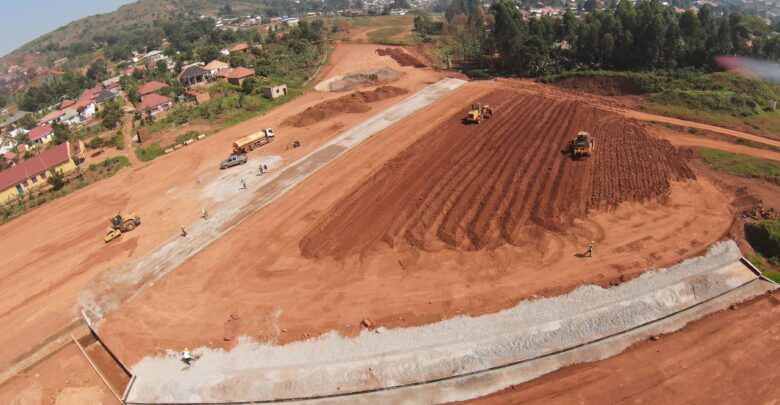
President Yoweri Museveni has moved to shake up the Ministry of Works and Transport, removing at least four senior technocrats from office amid growing presidential anger over corruption, administrative failures and land valuation irregularities tied to the troubled Busega-Mpigi Expressway project.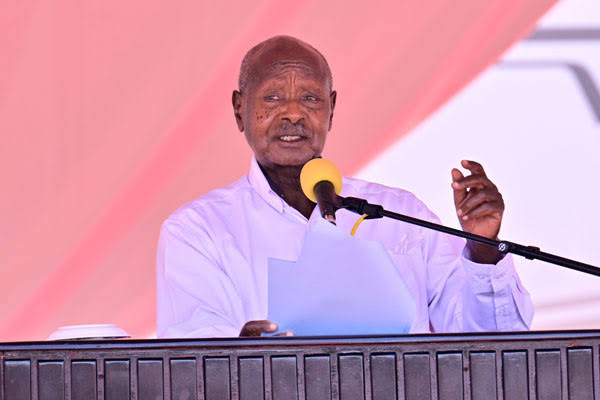
Highly placed sources within the ministry confirmed that the sweeping shake-up has affected at least four senior technical officials, with Permanent Secretary Waiswa Bageya among those whose position is under review or facing possible exit. The Nile Post, which first reported the developments, said it had contacted the Presidency for official comment, though a formal response was yet to be received at the time of publication.
At the heart of the presidential intervention are serious concerns over transparency in land valuation along the Busega-Mpigi Expressway corridor. According to sources, discrepancies in the assessed value of land parcels within the same location and time period have been identified — a pattern that raises the spectre of inflated compensation claims and manipulation of the acquisition process at the expense of public funds.
The Busega-Mpigi Expressway has been one of Uganda’s most troubled infrastructure projects since its launch in May 2020. The 23.7-kilometre road, which is designed to ease chronic traffic gridlock on the heavily congested Kampala-Masaka highway and runs through 21 villages across Kyengera, Mpigi, Kiringete and Wakiso, was initially contracted to China Civil Engineering and Construction Corporation at a cost of approximately Shs547.5 billion — a figure the Auditor General’s 2024 report says was locked in without adequate detailed designs in place.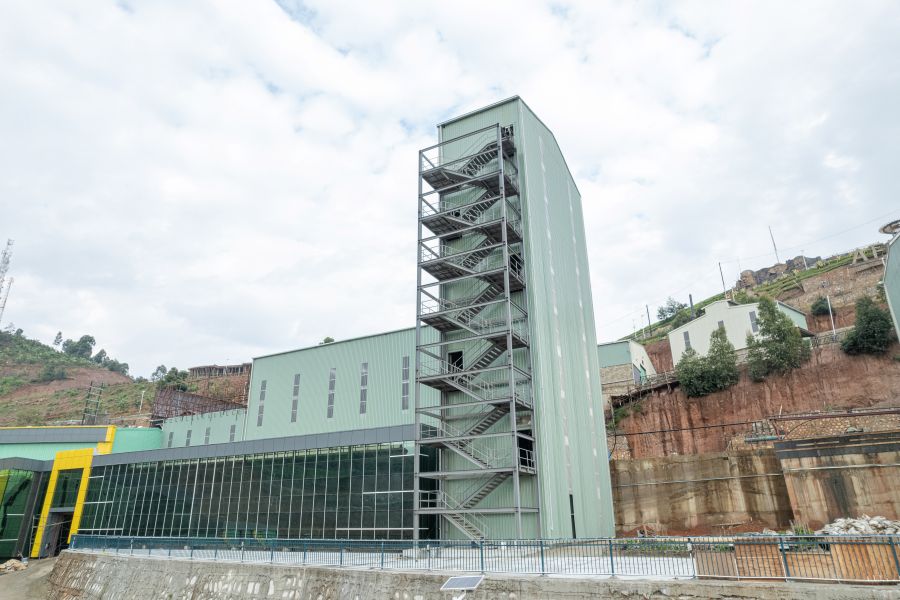
Costs have since more than doubled. By May 2023, subsequent design revisions and scope expansions — including the addition of interchanges, bridges, toll plazas and service lanes — had pushed the projected cost to Shs1.35 trillion. By May 2024, the original contract funds for civil works had been entirely depleted, with physical progress standing at just 40.86 percent. The project stalled completely in early 2025 due to funding gaps, before the African Development Bank approved an additional €217 million — approximately Shs909 billion — in December 2025 to facilitate completion. Works have since resumed, though the completion deadline has been pushed back to 2030.
The land compensation dimension has attracted separate scrutiny in recent months. In May 2026, the Inspectorate of Government ordered investigations and enforcement action over renewed encroachment on land reserved for the expressway corridor, with the Deputy Inspector General of Government, Anne Twinomugisha Muhairwe, publicly faulting the Works Ministry for failing to decisively act against individuals who had reoccupied gazetted land — in some cases after already receiving compensation payments.
The removal of senior ministry officials fits into a broader pattern of Museveni cracking down on accountability failures across government in the opening months of his new term. In May 2026, the President sent three senior officials at the Ministry of Internal Affairs — including its Permanent Secretary, Lt Gen Joseph Musanyufu, and a senior police officer — on six months of forced leave over a separate Shs31.37 billion corruption scandal involving the maintenance of Uganda’s national CCTV surveillance network. Museveni has repeatedly warned in public forums that corruption will not be tolerated, describing the country’s annual loss to graft — estimated by the Inspector General of Government at approximately Shs10 trillion — as unconscionable.
The Works Ministry shake-up also follows a broader structural overhaul of the transport docket, including the elevation of Fred Byamukama to the Cabinet and the redeployment of Gen Edward Katumba Wamala. The winding up of the Uganda National Roads Authority and the transfer of its mandate back to the ministry has further raised the pressure on the ministry’s technical leadership to deliver measurable results.
For communities along the Busega-Mpigi corridor and the millions of commuters who endure daily gridlock on the Kampala-Masaka road, the accountability intervention will be watched closely — as will the question of whether the latest shake-up translates into faster, cleaner delivery of a project that is already a decade in the making.
SOURCE NILEPOST