BusinessInternational News
Trump Criticises UK Over Response to Iran Crisis and Strait of Hormuz Tensions
Trump Criticises UK Over Response to Iran Crisis and Strait of Hormuz Tensions

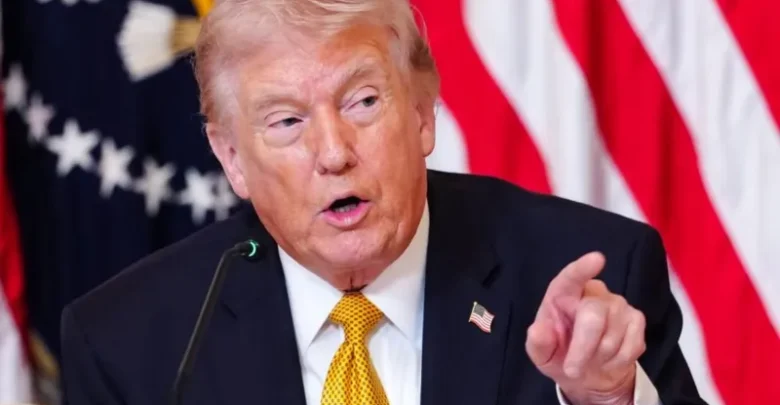
US President Donald Trump has intensified his criticism of the United Kingdom over its cautious approach to the escalating Iran conflict, urging stronger military involvement to secure the Strait of Hormuz.
Speaking in Washington on Monday, Trump said he was “not happy” with Britain’s stance, arguing that the UK should be “enthusiastically” involved in efforts to reopen the strategic waterway, a vital corridor for global oil shipments.
His remarks came after UK Prime Minister Keir Starmer stated that Britain would not be drawn into a broader regional war, emphasizing instead a coordinated approach with international partners.
Trump expressed disappointment with what he described as hesitation from a key ally. “Some countries greatly disappointed me,” he said, singling out the UK, which he described as “the Rolls-Royce of allies.”
The Strait of Hormuz crisis has intensified after Iran effectively restricted tanker movement, causing a surge in global oil prices. Tehran has also warned it could target vessels it believes are linked to the United States, while the presence of sea mines has further heightened risks.
Trump has called on allies to deploy naval forces to the Gulf to safeguard shipping routes. However, Starmer has maintained that any response must be part of a broader, coordinated international effort.
“We are working with allies on a viable, collective plan to restore freedom of navigation and minimise economic disruption,” Starmer said, noting that the UK already has minehunting capabilities in the region.
Tensions between the two leaders have been building. Starmer had earlier declined to allow US forces to use British bases for initial offensive strikes against Iran, though he later approved their use for defensive operations.
Trump suggested that Britain’s response lacked urgency, claiming he had directly urged Starmer to deploy naval assets, including minesweepers, to the Gulf.
“It would be really helpful if you’d send over a couple of ships,” Trump said, adding that he was surprised by the UK’s cautious decision-making process.
UK officials, however, defended the prime minister’s approach, saying he was focused on coordinating with allies and military planners before committing to any action.
The Royal Navy has already deployed HMS Dragon to the region, primarily tasked with protecting British military assets, including RAF Akrotiri in Cyprus, which was recently targeted by an Iranian-made drone.
Meanwhile, NATO allies remain divided over their role in the crisis. NATO members have stressed that the alliance is defensive in nature and not obligated to participate in operations related to the Iran conflict.
German Defence Minister Boris Pistorius ruled out military involvement, while European Union officials signalled limited appetite for expanding naval missions in the region.
In the UK, political leaders have also voiced caution. Kemi Badenoch questioned the government’s preparedness, while opposition figures warned against “mission creep” that could draw Britain deeper into the conflict.
Labour MP Emily Thornberry suggested that even planned diplomatic engagements, including a potential royal visit to the US, might need reconsideration given the volatile backdrop.
Despite the tensions, Starmer reaffirmed the strength of UK-US relations, stating: “We are strong allies, but it is my responsibility to act in the best interests of Britain.”
As the situation in the Gulf remains volatile, the debate over military involvement continues, highlighting divisions among Western allies on how to respond to the growing crisis.
SOURCE: BBC