HealthLocal News
Butabika Hospital Faces Shs102 Billion Funding Gap Amid Rising Mental Health Cases
Butabika Hospital Faces Shs102 Billion Funding Gap Amid Rising Mental Health Cases

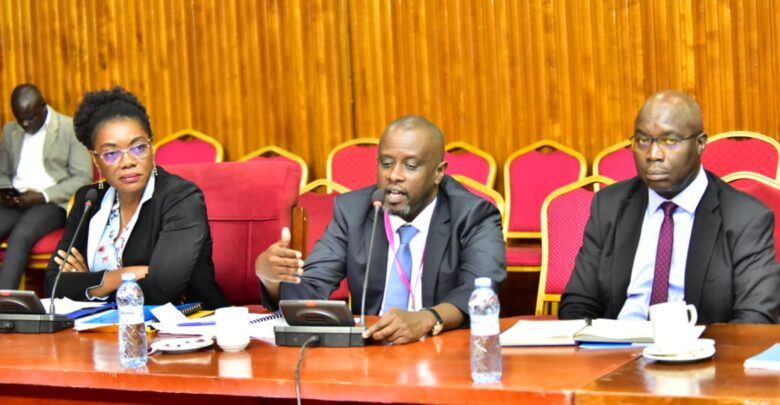
Butabika National Referral Mental Hospital is grappling with a funding shortfall of Shs102 billion, significantly affecting its ability to meet wage, operational, and infrastructure needs.
Speaking before the Public Accounts Committee (Central Government) on March 16, 2025, the hospital’s Executive Director, Juliet Nakku, revealed that the institution requires Shs24 billion for staffing but has only been allocated Shs9.6 billion.
She further explained that the hospital needs Shs60 billion for non-wage expenses and Shs40 billion for capital development. However, it received just Shs10 billion and Shs2.2 billion respectively. leaving critical gaps in service delivery.
Dr. Nakku highlighted the severe shortage of mental health professionals, noting that only 14 psychiatric specialists are currently serving approximately 1,000 patients.
“Ideally, one doctor should attend to 30 patients, but the current ratio is one doctor to 100 patients. For nurses, it is one to 60 patients, which is extremely high for such intensive care,” she said.
Although the hospital’s staff structure has expanded from 533 to 833 positions over the past two years, many of these roles remain unfilled due to limited funding.
Lawmakers raised concerns over the rising burden of mental illness in the country. Committee Chairperson Gorreth Namugga cited a depression prevalence rate of nearly 4.6 percent and an increase in suicide cases, particularly in communities.
She also pointed to a worrying trend among children, where mental health challenges are estimated at 22.9 percent, and questioned efforts to integrate mental health services into primary healthcare.
Asuman Basalirwa (Bugiri Municipality) commended the hospital’s training school but sought clarity on whether graduates are effectively absorbed into the healthcare system, especially in regional referral hospitals.
Meanwhile, Amuria District Woman Representative Susan Amero criticized the hospital for limited public awareness efforts on mental health, urging more engagement through media platforms.
In response, Dr. Nakku attributed the rise in mental health cases especially among young people, to factors such as unemployment, family instability, substance abuse, and academic pressure.
“We have school programmes that start as early as 4:00 a.m., yet students sleep late. Combined with high expectations from parents and society, this contributes significantly to mental breakdown,” she explained.
She added that alcohol and substance abuse account for about 30 percent of patients admitted at the facility.
Dr. Nakku noted ongoing efforts to deploy psychologists, counsellors, and social workers across health centres and district hospitals to ensure early intervention at community level.
“This approach will help people receive care before conditions worsen and require referral to Butabika. What we need is increased wage support so facilities can recruit the necessary staff,” she said.
She also highlighted the hospital’s use of social media campaigns, radio talk shows, and a call centre to improve public awareness and access to mental health information.
The funding gap, however, remains a major obstacle as Uganda faces growing demand for mental health services.