BusinessInternational News
Global Shipping Costs Rise as Iran Conflict Disrupts Key Routes
Global Shipping Costs Rise as Iran Conflict Disrupts Key Routes

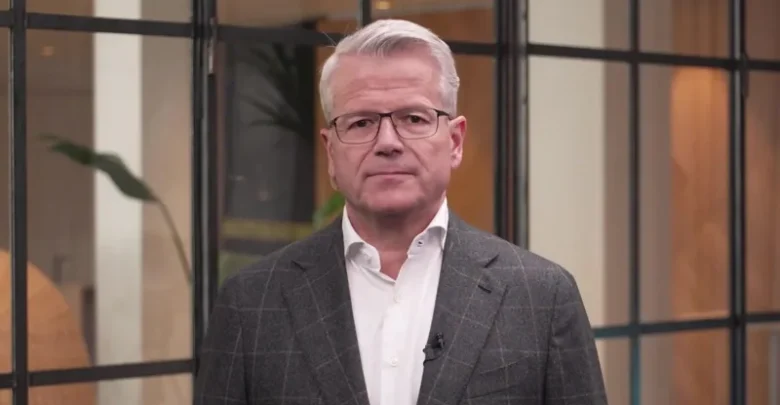
According to a report by the BBC, increased transport costs caused by the ongoing conflict involving Iran are expected to be passed on to consumers worldwide.
The warning came from Vincent Clerc, chief executive of the global shipping giant Maersk. He explained that the Danish company has pricing mechanisms that automatically adjust when fuel prices rise or fall.
“So what it means is that ultimately, in this case, these increases will pass to our customers and will pass on to the consumers,” he said.
Oil prices surged close to $120 a barrel after tensions escalated in the conflict involving the United States, Israel and Iran, before easing slightly. However, crude oil is still trading at about $87 per barrel, nearly 20% higher than it was before the hostilities began.
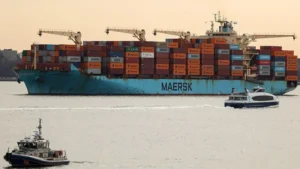
Maersk plays a major role in global trade through its container shipping operations, transporting goods such as toys, clothing and electronics across international markets.
The conflict has severely affected transport through the strategic Strait of Hormuz — one of the world’s most important oil shipping routes. Before the conflict escalated, about one-fifth of the world’s oil supply passed through this corridor.
Iranian government spokesperson Fatemeh Mohajerani defended the blockade, saying the country needed to maximise “all resources” while it remains in a state of war.
At the same time, many shipping companies are avoiding the Red Sea due to growing security concerns in the region.
The disruptions are creating ripple effects across the global economy. Major shipping firms, including Maersk, have begun rerouting vessels around the southern tip of Africa via the Cape of Good Hope — a significantly longer and more expensive journey.
Analysts warn that the rising fuel and transport costs are likely to increase the prices of many everyday goods for consumers around the world.
Source: BBC