BusinessLocal News
The War Victims’ Billions, the PS and the MPs: Uganda’s Biggest Cooperative Fraud Trial Finally Begins
The War Victims' Billions, the PS and the MPs: Uganda's Biggest Cooperative Fraud Trial Finally Begins

KAMPALA — The money was meant for people who lost everything in the war.
Farmers who watched their crops burn. Growers whose cooperatives were destroyed in the chaos of Uganda’s 1981-1986 liberation struggle. Men and women who waited decades for the government to make it right — and who, prosecutors allege, were robbed a second time by the very officials entrusted to compensate them.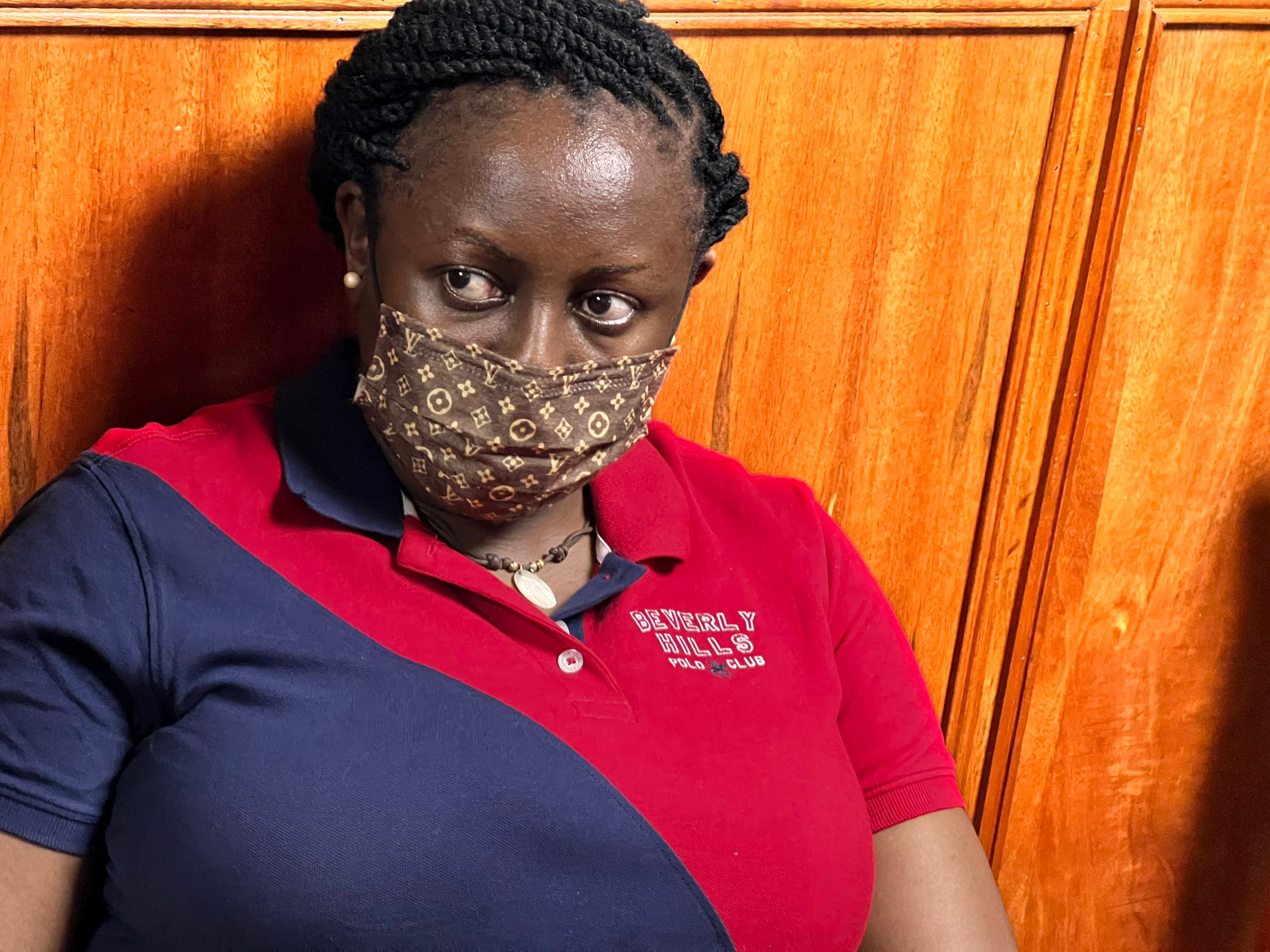
On Tuesday, September 9, 2026, the trial of the people accused of stealing that money finally began.
**The Accused**
Six people stood before Justice Jane Okuo Kajuga at the Anti-Corruption Division of the High Court in Nakasero on Tuesday morning. All six entered fresh pleas. All six denied the charges.
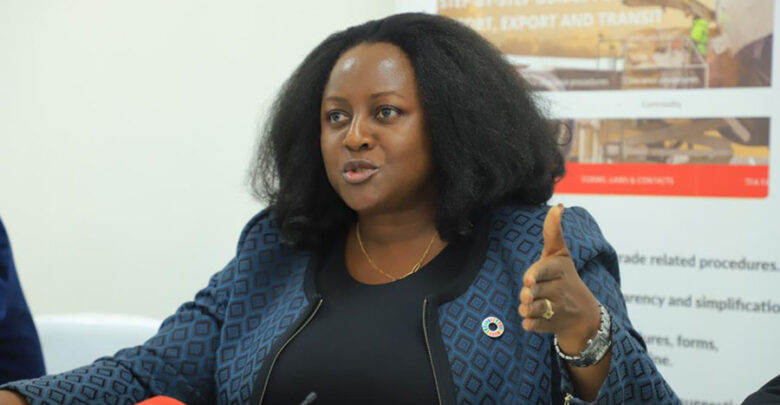
At the centre of the dock stood Geraldine Ssali Busuulwa — the former Permanent Secretary of the Ministry of Trade, Industry and Cooperatives. As the ministry’s accounting officer, she had the authority to authorise payments. Prosecutors say she used that authority to authorise the wrong ones.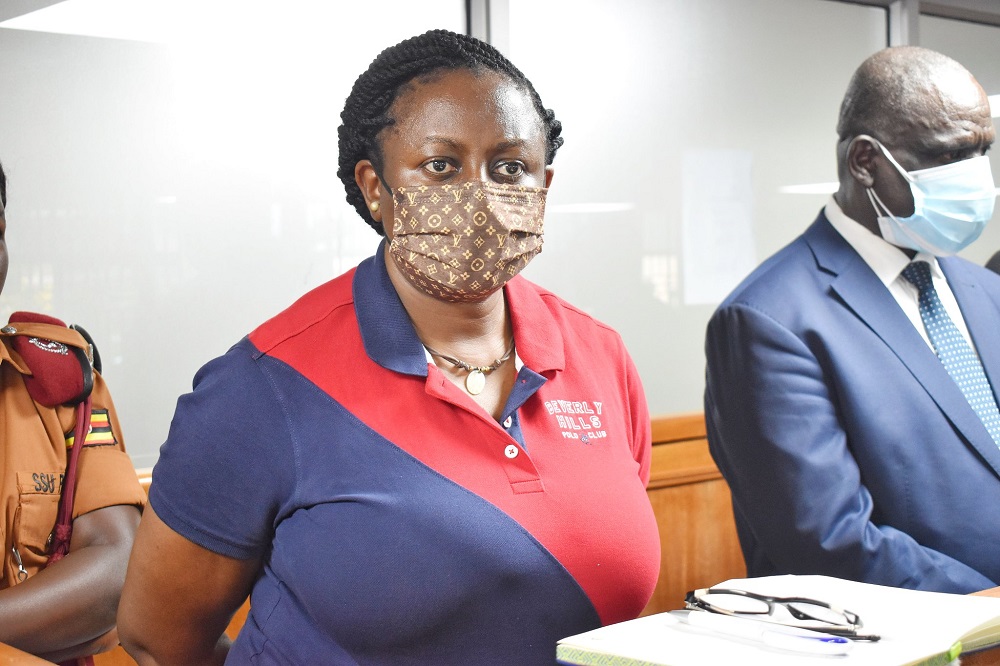
Alongside her: Igara East MP Michael Mawanda Maranga. Elgon County MP Ignatius Wamakuyu Mudimi. Former Busiki County MP Paul Akamba. Lawyer Julius Taitankoko Kirya — whose firm, Kirya and Company Advocates, is at the centre of the financial allegations. And former Principal Cooperative Officer Leonard Kavundira.
Three current or former MPs. A permanent secretary. A lawyer. A cooperative officer. The state alleges they operated as a coordinated network — and that together they diverted Shs3.8 billion that was never theirs to touch.
**What the State Says Happened**
The scheme, as prosecutors reconstruct it, was not complicated. It just required the right people in the right positions.
The Buyaka Growers Cooperative Society Limited was not on the approved list of entities eligible for war-loss compensation. The supplementary budget request of August 4, 2021 did not include it. It should not have received a shilling.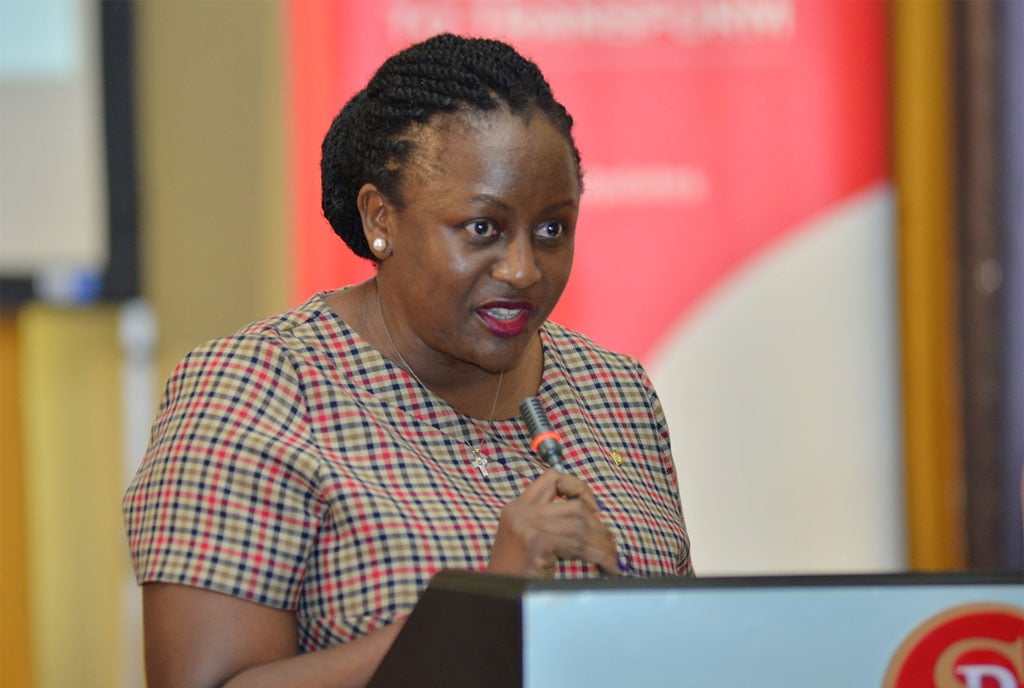
But prosecutors allege that Ssali — the accounting officer, the person who controls the ministry’s money — introduced Buyaka onto the compensation list anyway. And then authorised Shs3.8 billion in payments to Kirya and Company Advocates, the law firm owned by her co-accused, in direct violation of the Treasury Instructions of 2017.
The broader conspiracy charge goes further: between 2019 and 2023, the state alleges, the six accused colluded to defraud the government of more than Shs3.4 billion from a fund that existed specifically to provide justice to Uganda’s war-era cooperatives.
The charges on the sheet: abuse of office. Conspiracy to defraud. Causing financial loss to government. Money laundering.
**Two Years to Get Here**
That Tuesday’s hearing happened at all is something of a legal miracle.
The case has been adjourned, stalled, frozen and threatened with collapse for two years. A constitutional petition by Paul Akamba — claiming torture during his arrest and seeking the case’s dismissal on human rights grounds — halted proceedings for over a year. Prosecutors missed a hearing because they were attending a symposium. Ssali herself failed to appear for a scheduled session, forcing the court to issue criminal summons to bring her in.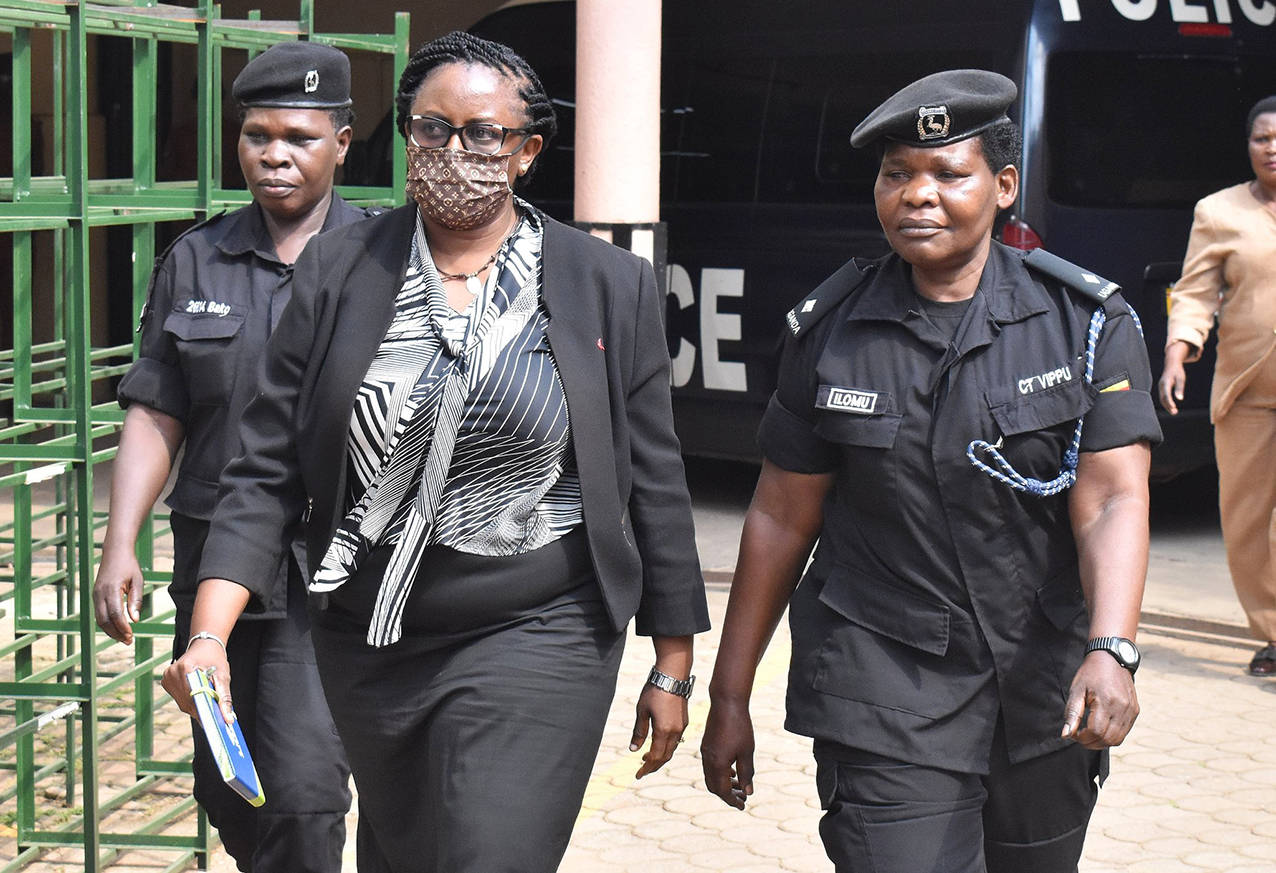
The turning point came on June 2, 2026, when the Constitutional Court struck down the legal provision Akamba had relied on — the clause that allowed accused persons to secure automatic acquittal when rights violations during arrest were established. Five judges held that victims of crime also have constitutional rights, and that an arrest gone wrong does not erase the crime. The case, they ruled in effect, must stand or fall on the evidence.
Justice Kajuga moved within days. She fixed September 9, 10, 15, 17 and 24 for the trial and ordered the prosecution to complete evidence disclosure by June 26.
Tuesday was day one.
**What Is at Stake**
For the legal system, it is the credibility of the Anti-Corruption Court — and of Uganda’s stated commitment to prosecuting the powerful, not just the powerless.
For the accused, it is everything.
And for the farmers and growers of Buyaka, whose cooperative was used as the vehicle for what the state describes as a sophisticated fraud — and who remain, years later, still waiting for the compensation the war cost them — it is something harder to name.
Justice, perhaps. Long overdue, uncertain in outcome, but finally, on a Tuesday morning in Nakasero, at least underway.
SOURCE DAILY MONITOR