BusinessInternational News
Britain Breaks With Israel: The Day Ed Miliband Said What No Foreign Secretary Had Ever Said
Britain Breaks With Israel: The Day Ed Miliband Said What No Foreign Secretary Had Ever Said


LONDON, Tuesday — He is a British Jew whose grandmother survived the Holocaust because Israel gave her a home. He picked oranges as a child on a kibbutz. He is, by his own description, someone with “the deepest gratitude” to the State of Israel.
And on Tuesday, he stood in the House of Commons and called Israeli settlers terrorists.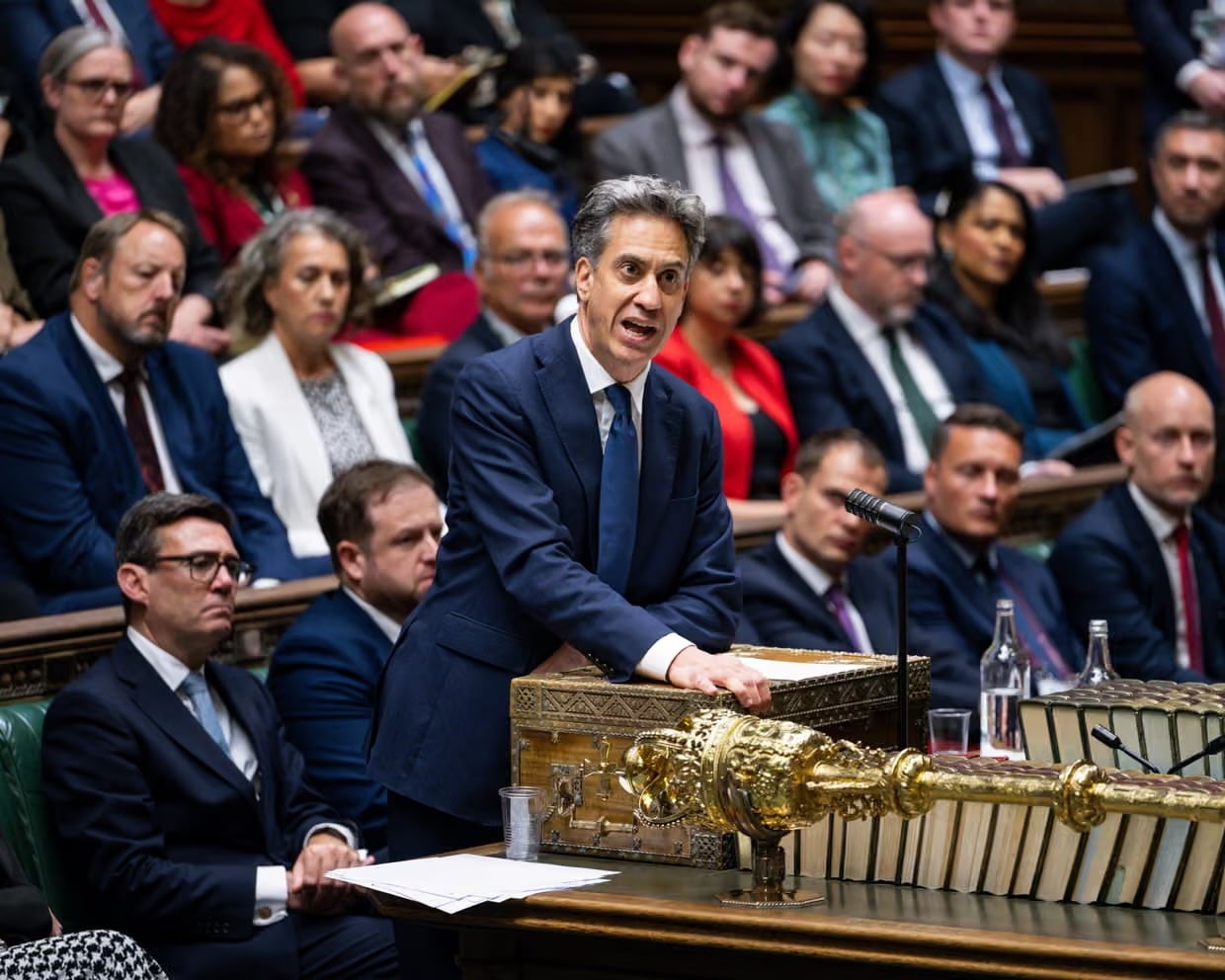
Foreign Secretary Ed Miliband’s statement to Parliament on September 8, 2026 was not a routine diplomatic announcement. It was a rupture — a moment when Britain’s careful, decades-long habit of criticising Israeli settlement policy while doing very little about it finally gave way to something harder and more consequential.
**What He Said**
“The official view of the British government is that the occupation is unlawful.”
“Settler terrorists have carried out ethnic cleansing of Palestinians.”
“The Israeli government has turned a blind eye to this, and worse.”
“I do not believe the British people want us supporting the occupation by accepting products from settlements in our shops.”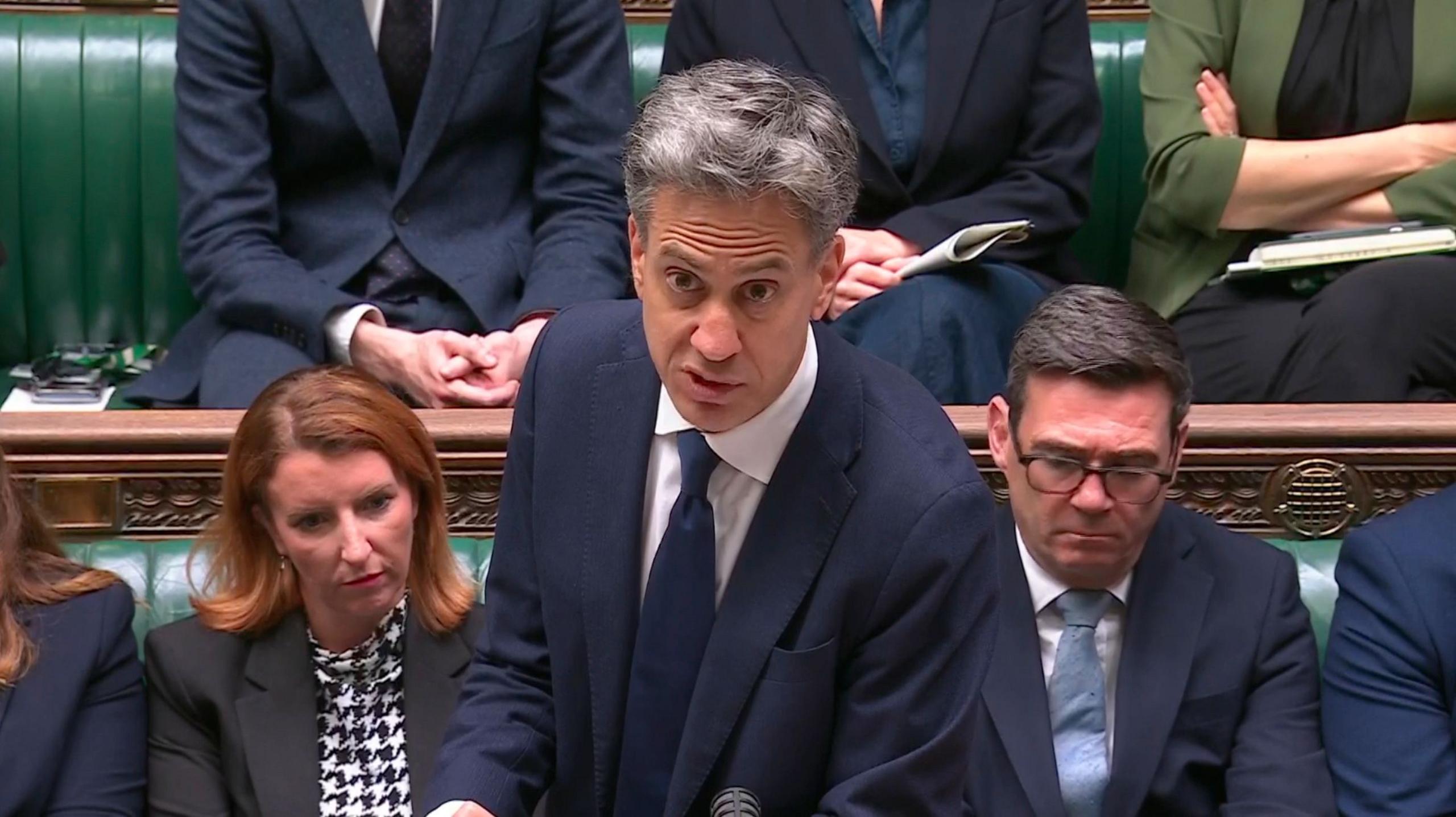
Three years ago, no British Foreign Secretary would have said any of those sentences in the House of Commons. On Tuesday, Miliband said all of them — and then announced what Britain was going to do about it.
**The Measures**
The package was the most sweeping British policy action toward Israel in the modern diplomatic era. An import ban on all goods produced in Israeli settlements in the occupied West Bank — expected to take six to nine months to take effect. Targeted sanctions on settlers and companies involved in building, financing or advertising those settlements. A tightening of the existing arms export ban. And a prohibition on real estate events held in Britain promoting the sale of homes in the West Bank.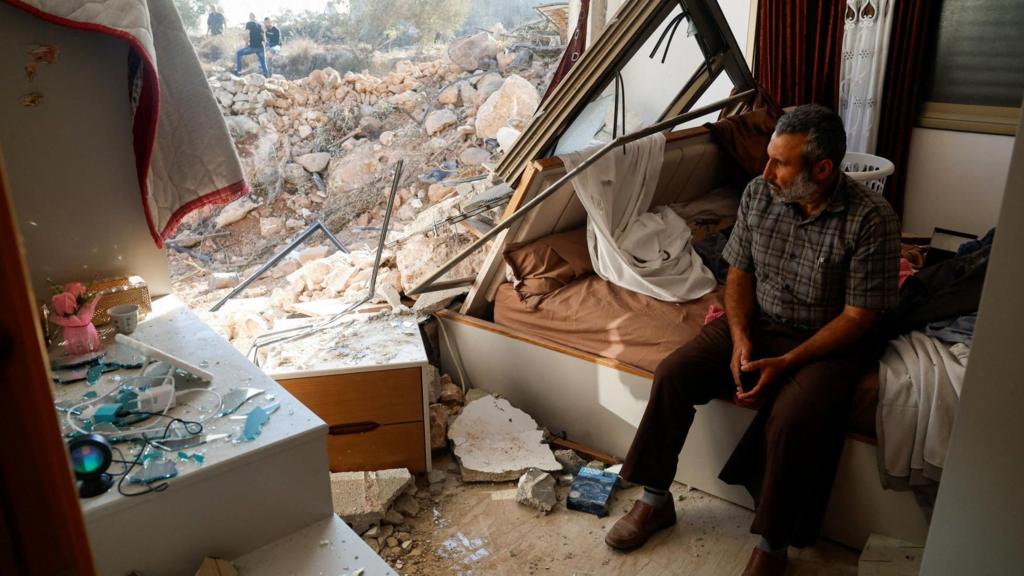
The trigger, Miliband said, was Israel’s final approval last year of the E1 settlement plan — more than 3,400 new housing units east of Jerusalem, the development that diplomats have long warned would physically bisect the West Bank and make a Palestinian state geographically impossible.
“Every settlement, every neighbourhood, every housing unit is another nail in the coffin of this dangerous idea,” he said.
**Twelve Countries, One Message**
Britain was not alone. The measures were coordinated with France and Canada — Prime Minister Andy Burnham, President Emmanuel Macron and Canadian Prime Minister Mark Carney issued a joint statement declaring that “the time has come to take further action.” Twelve countries in total backed the push: Denmark, Spain, Finland, Ireland, Iceland, Norway, Poland, Portugal and Sweden joined the joint statement. Some had already enacted similar restrictions. Others were announcing new measures for the first time.
It was the most significant coordinated Western diplomatic action against Israeli settlement expansion since the UN Security Council resolution of 2016.
**Washington Said No. London Did It Anyway.**
The Burnham government knew what was coming from Washington. US officials had warned Britain — explicitly, in advance — that there would be economic consequences if it proceeded. Britain proceeded. It is one of the sharpest transatlantic diplomatic breaks since the new UK government took office in July, when Burnham replaced Starmer following internal Labour pressure.
The defiance was deliberate. The message was clear.
**Israel’s Answer**
Jerusalem responded by nightfall. Israel announced it would close the British consulate in Jerusalem. Israeli ministers condemned Miliband’s language — “ethnic cleansing” and “terrorists” applied to Israeli civilians — as inflammatory, historically charged and unacceptable. Finance Minister Bezalel Smotrich, who had attended the inauguration of a new West Bank settlement just six days before Miliband’s speech, was among those leading the condemnation.
Separately, Miliband announced the reimposition of strict UK sanctions on Iran — a move that provides some diplomatic counterbalance, though few observers expect it to soften the Israeli response to Tuesday’s measures.
**The Man Behind the Speech**
The most powerful dimension of Tuesday’s statement was not the sanctions themselves. It was who delivered them.
Miliband opened by telling the House he was “a proud British Jew” whose grandmother found sanctuary in Israel after losing her husband, grandfather, and sixty other family members in the Holocaust. He remembered the kibbutz. He remembered the oranges. He affirmed, without equivocation, Israel’s right to exist as a homeland for the Jewish people.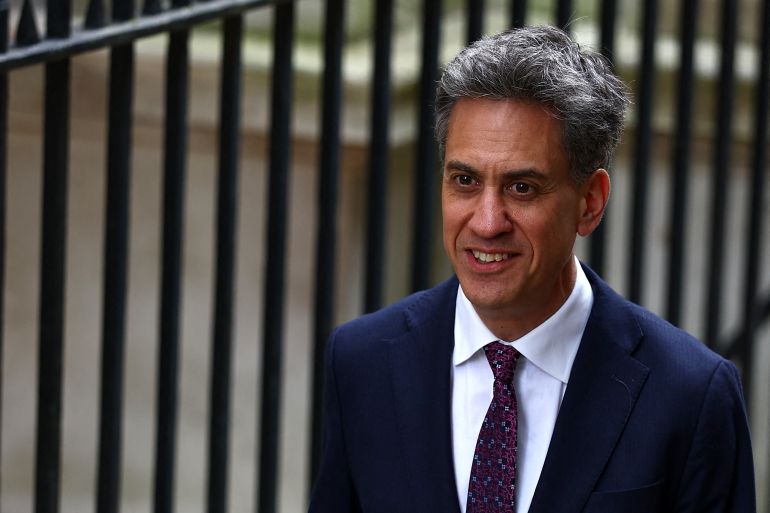
Then he said the occupation was unlawful, the settlers were terrorists and the ethnic cleansing had to stop.
That is not the speech of someone hostile to Israel. It is the speech of someone who believes — as Miliband framed it — that the painful contrast between what Britain says about a two-state solution and what Israel does on the ground in the West Bank can no longer be papered over with diplomatic language alone.
Britain called it out. The consulate is closed. Twelve countries stood alongside. Washington is unhappy.
The Middle East is watching what happens next
SOURCE BBC NEWS