Businessregional news
“Close Them”: How Ruto’s Six Words Sent Ugandan Traders Fleeing Kenya in Panic
"Close Them": How Ruto's Six Words Sent Ugandan Traders Fleeing Kenya in Panic

BUSIA / NAIROBI — Six words. That is all it took.
“From next week, all traders doing those small businesses should close them.”
President William Ruto said them on September 2, 2026, addressing Kenya’s micro, small and medium enterprise traders at State House in Nairobi. He was talking about foreigners — hawkers, petty traders, small-scale retailers he said were competing with Kenyans in businesses that should be reserved for citizens. By September 7, the enforcement deadline he set, the consequences of those six words were playing out at border crossings, embassies, bus stations and empty market stalls across Kenya.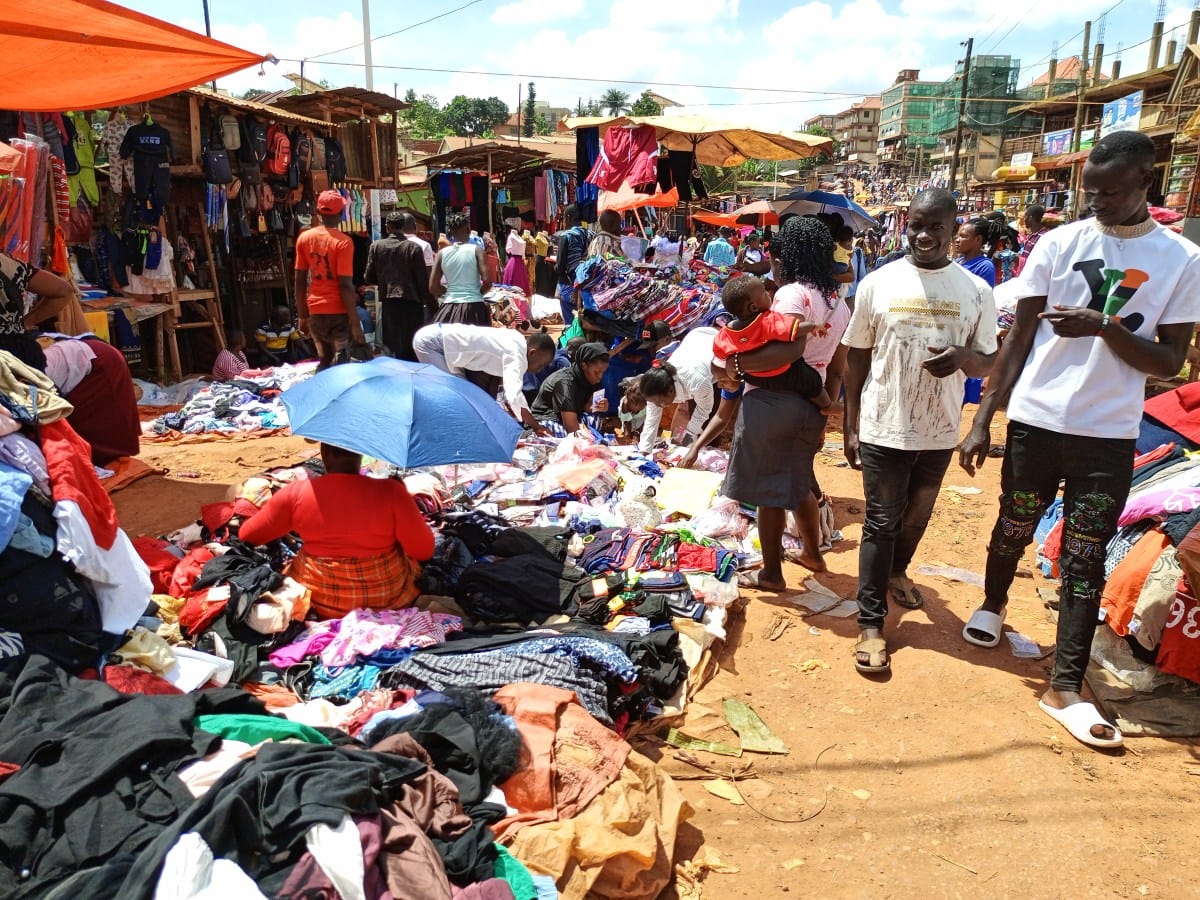
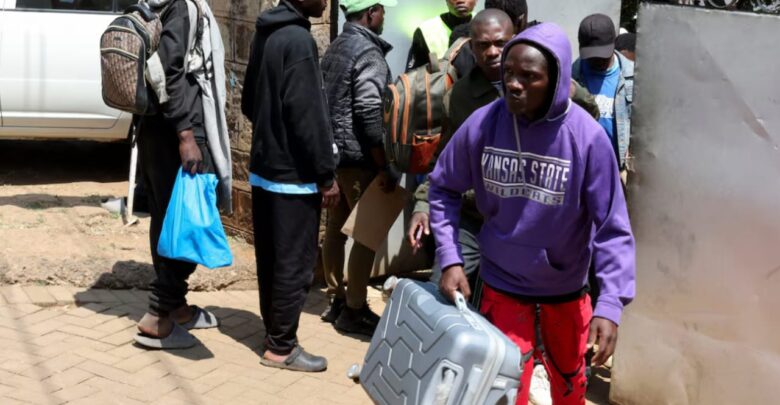
Ugandan traders, among hundreds of foreign nationals caught in the panic, arrived at the Busia border post on Monday in visible distress — some clutching whatever merchandise they had managed to pack, others with nothing but the clothes they were wearing. They had left behind businesses, homes, equipment and, in some cases, documents and savings.
What Ruto Said — and What People Heard
The directive Ruto issued on September 2 during his meeting with MSME traders was not, the Kenyan government subsequently insisted, a blanket expulsion order. Foreign Affairs Principal Secretary Abraham Korir Sing’oei said Ruto’s remarks had been taken “out of context” and should not be read as targeting all foreign traders. Government spokesperson Charles Owino emphasised that the crackdown was aimed specifically at undocumented foreigners — those operating without valid work permits, trading licences or immigration status — and that legally documented traders were not affected.
The clarification came too late to prevent the panic. For hundreds of Ugandan, Burundian, Rwandan and other East African traders who heard the President of Kenya tell a room full of Kenyan traders that foreigners should close their small businesses, the message could not have been clearer. They began leaving.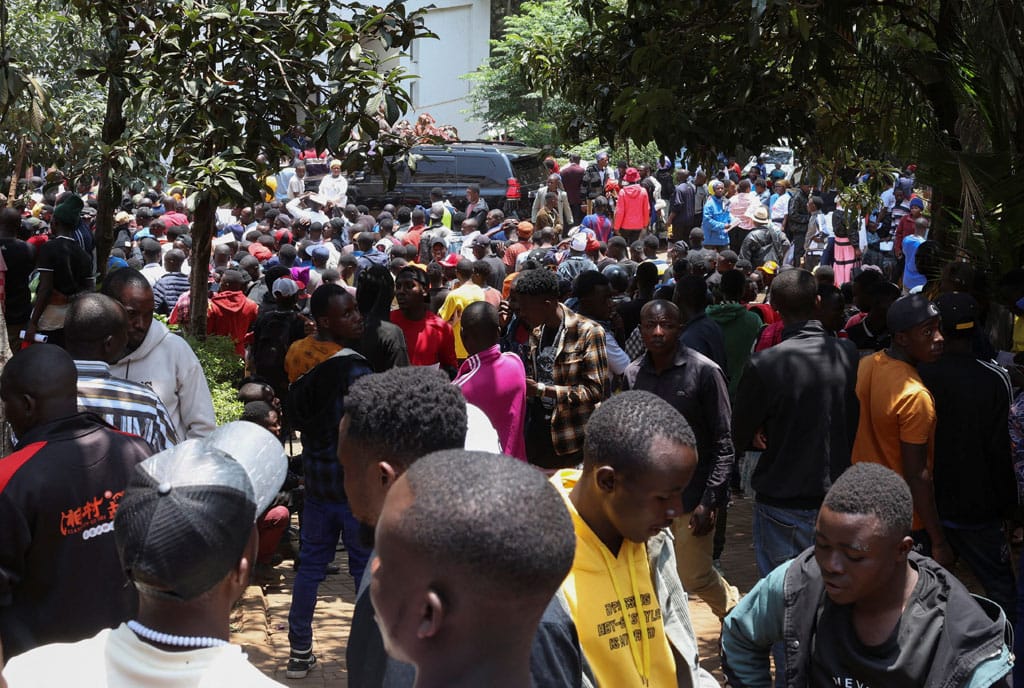
In Kisii, many Ugandan, Burundian and Rwandan traders stayed away from their businesses on Monday for fear of arrest. In Nairobi’s informal settlements, foreigners fled their homes after receiving threats. In Homa Bay, break-ins were reported at foreign-owned businesses: phone accessories, shoes, clothes and cash were stolen. Rwandan trader Zarubbabel Rusesabagina told the Daily Nation he lost not only his merchandise but his passport, ATM card, identification documents and Ksh16,000 in cash. Three customers told a Ugandan trader they refused to pay him a combined Ksh150 because, they said, there was an executive order requiring foreigners to offer free services to Kenyans.
Patrick Jarso fled his home in Shauri Yako after receiving threats. “I am stranded and do not know what to do,” he said. “I have currently taken refuge as I figure out what to do.”
Ugandan Traders: What They Left Behind
Ugandan traders in Kenya are not a marginal economic community. They run salons, garment shops, food stores and boda-boda services across the country — particularly in Nairobi, Kisii and western Kenya’s border towns. Many had been operating in Kenya for years, some legally documented, others — caught in a bureaucratic grey zone that Uganda’s government says is partly Kenya’s own making — with valid permit applications pending but unapproved.
Officials from Uganda’s Ministry of Foreign Affairs and the Office of the President, speaking on Tuesday September 8, confirmed that a significant number of the Ugandans affected were traders whose work permit and trading licence applications had been submitted but not yet approved by Kenyan authorities. Ambassador Aisha Ismail from the Office of the President said several Ugandans in Kenya had complained that they repeatedly applied for the required documents and had never received approvals. Uganda’s government is working through diplomatic channels to establish how many citizens had applications pending, how many had not regularised their status, and what remedies can be sought.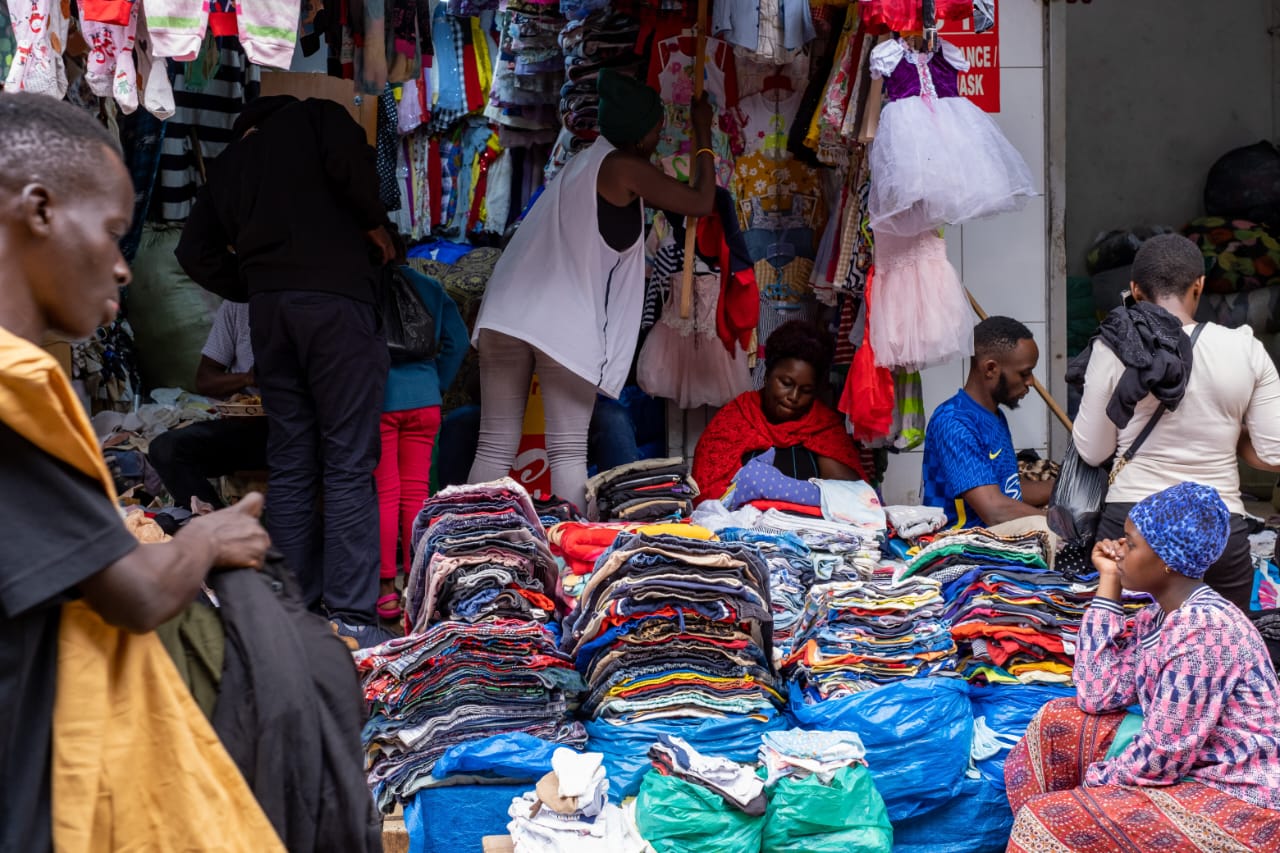
President Yoweri Museveni directed the government to meet the cost of voluntary evacuations for Ugandans wishing to return home, mirroring a similar intervention for Ugandan nationals stranded in South Africa — from whom Uganda is simultaneously repatriating 800 citizens.
A Legal and Diplomatic Minefield
The Kenyan crackdown has landed in legally and diplomatically treacherous territory that analysts say Nairobi may not have fully considered before Ruto spoke.
Kenya’s obligations under the East African Community treaty include commitments to the free movement of goods and persons across member states — commitments that a directive specifically targeting foreign small-scale traders sits awkwardly against, particularly when the foreign nationals being affected are citizens of fellow EAC member states including Uganda, Burundi and Rwanda. The Standard Media Kenya reported that an official at the Refugee Consortium of Kenya warned the crackdown risked fuelling xenophobia by failing to distinguish between refugees — a legally protected group under international law — and undocumented traders.
The measure also tests Kenya’s recently pledged commitment to removing trade barriers with Tanzania, made just months before Ruto’s September 2 directive.
The Human Cost at the Border
The photographs that emerged from Busia on Monday told the story more powerfully than any press conference. Groups of Ugandan traders — men and women, some elderly — gathered at the border crossing, waiting to cross home, their goods and livelihoods left behind in Kenya’s towns and markets.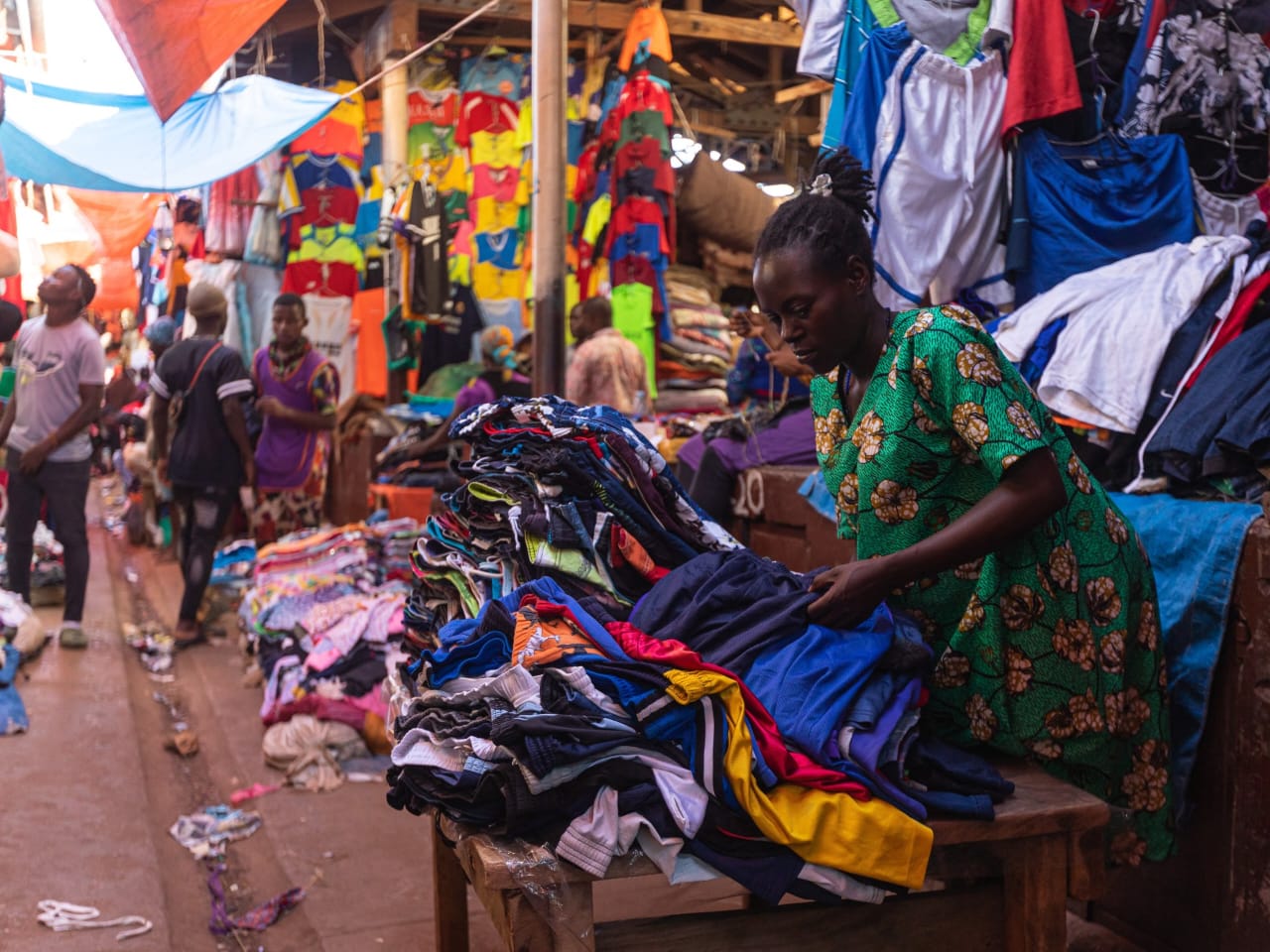
For many, years of work in Kenya — years of building a customer base, a supply chain, a business routine — have been disrupted in days by a directive that the Kenyan government itself is now walking back. The gap between what Ruto said and what his government subsequently clarified he meant has come at a human cost that no press release can easily repair.
Uganda’s diplomatic mission in Nairobi is now engaged. So is Kampala. The traders at Busia are home. Their businesses are not.
SOURCE DAILYMONITOR