BusinessInternational News
Sanae Takaichi Becomes Japan’s First Female Prime Minister
Sanae Takaichi Becomes Japan’s First Female Prime Minister

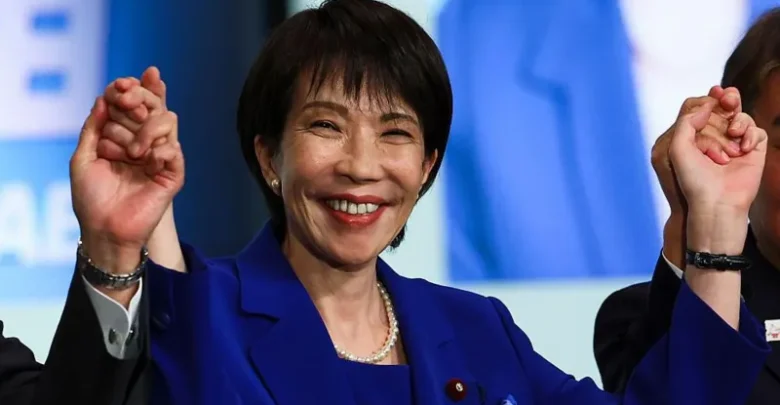
Tokyo, Japan — Sanae Takaichi has been elected Japan’s prime minister, making history as the first woman to hold the nation’s highest political office.
The 64-year-old conservative leader won a decisive victory in parliament on Monday, securing 237 votes in the Lower House and 125 in the Upper House, after being chosen as head of the ruling Liberal Democratic Party (LDP).
An admirer of the late British Prime Minister Margaret Thatcher, Takaichi takes office at a turbulent time as Japan faces rising living costs, public frustration, and political instability. becoming the fourth prime minister in just five years.
Her path to leadership was not straightforward. Although she defeated four male contenders in the LDP race earlier this month, her chances seemed slim after the party’s long-time coalition partner, Komeito, withdrew its support.
A last-minute deal with the right-leaning Japan Innovation Party (JIP), also known as Ishin, secured her victory. The LDP and JIP will face voters in the 2028 general elections.
On the international front, Takaichi inherits several delicate relationships. South Korea remains cautious about her nationalist leanings, while China watches closely due to her hawkish stance on regional security. Her first major diplomatic test will come next week when she meets U.S. President Donald Trump.
While the two nations have reached a tariff agreement, Trump’s previous comments questioning the Japan–U.S. security treaty and urging Tokyo to increase defense spending have stirred unease. issues Takaichi must now manage carefully.
A long-time ally of the late Shinzo Abe, Takaichi has held multiple ministerial positions and previously contested for the premiership. She was elected LDP leader after former Prime Minister Shigeru Ishiba stepped down following midterm election losses.
Nicknamed Japan’s “Iron Lady,” Takaichi is known for her conservative social views, including opposition to same-sex marriage and to proposals allowing married women to retain their maiden names. positions that have divided opinion among younger voters.
“Everyone’s like, ‘Wow, she’s the first female prime minister in Japanese history and that’s a great opportunity for women’s empowerment,’” said 21-year-old student Ayda Ogura, “but not everyone feels that way because of her conservative views.”