International News
UK’s Mandatory Digital ID Plan: A Comprehensive Breakdown
The UK government, under Prime Minister Keir Starmer, has announced plans to introduce a mandatory digital ID system, known as the "BritCard," by 2029.

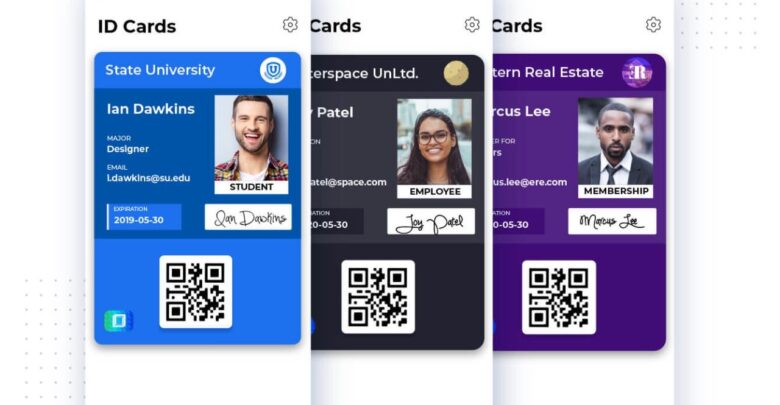
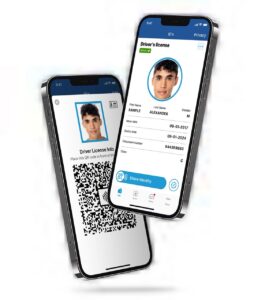
This initiative aims to strengthen border security, combat illegal immigration, and streamline access to public services. The digital ID will be stored on smartphones and will be required for employment and certain public services. AP News+1
🔐 Key Features of the BritCard
1. Digital Format
The BritCard will be a digital identity stored on individuals’ smartphones, similar to the NHS App or contactless payment systems. It will serve as proof of identity and residency status. GOV.UK
2. Mandatory for Employment
Employers will be required to verify the digital ID of new employees to confirm their right to work in the UK. This measure is part of efforts to reduce illegal employment and immigration. AP News+1
3. Access to Public Services
The digital ID will facilitate easier access to various public services, including healthcare, welfare, and childcare. It aims to simplify processes that currently require multiple forms of identification. GOV.UK
4. Data Included
The digital ID will contain personal information such as:
-
Full name
-
Date of birth
-
Photograph
-
Nationality or residency status
The government is considering whether to include additional information, like home address, in the future. GOV.UK
⚠️ Concerns and Criticisms
1. Privacy and Civil Liberties
Civil liberties groups and political opposition have expressed concerns that the digital ID could lead to increased state surveillance and erosion of privacy. Critics argue that it may disproportionately affect vulnerable populations and individuals without access to smartphones. The Guardian
2. Cybersecurity Risks
Experts warn that centralizing sensitive personal data on smartphones could make the system a target for cyberattacks. The potential for data breaches raises significant security concerns. The Guardian
3. Public Opposition
A petition opposing the digital ID plan has garnered over 2 million signatures, indicating widespread public concern. Opponents argue that the system could lead to mass surveillance and digital control. The Guardian
Legal and Political Implications
The introduction of a mandatory digital ID system marks a significant policy shift, as the UK has not required national identity cards since World War II. The government emphasizes that the digital ID will be free to download and will not require individuals to carry a physical card. However, its mandatory use for employment purposes has sparked debate. Reuters
Future Developments
The government plans to launch a public consultation later this year to gather input on the digital ID scheme. The final implementation details, including the timeline and specific features, will be determined following this consultation.
Conclusion
The BritCard raises significant questions about privacy, cybersecurity, and public acceptance. How the government balances these factors will determine whether the digital ID becomes a tool of empowerment or controversy.
This report is brought to you by Channel 44 Television.