BusinessInternational News
Three for Two: US Strikes Iran’s Oil Carriers After IRGC Fires Missiles at American Navy Ships
Three for Two: US Strikes Iran's Oil Carriers After IRGC Fires Missiles at American Navy Ships

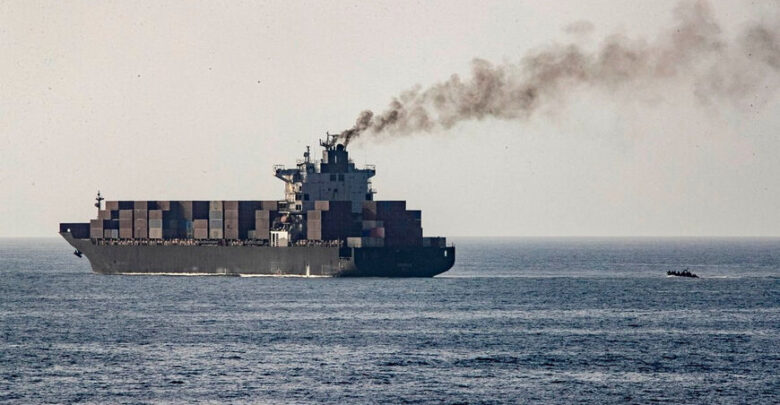
DUBAI — The war in the Persian Gulf escalated sharply on Saturday, September 5, 2026, as US and Iranian forces traded attacks on vessels in the waters surrounding Iran in the most direct maritime exchange of a conflict that has now raged for six months — leaving both sides having struck the other’s ships and leaving global oil markets rattled as Brent crude closed at its highest price since July.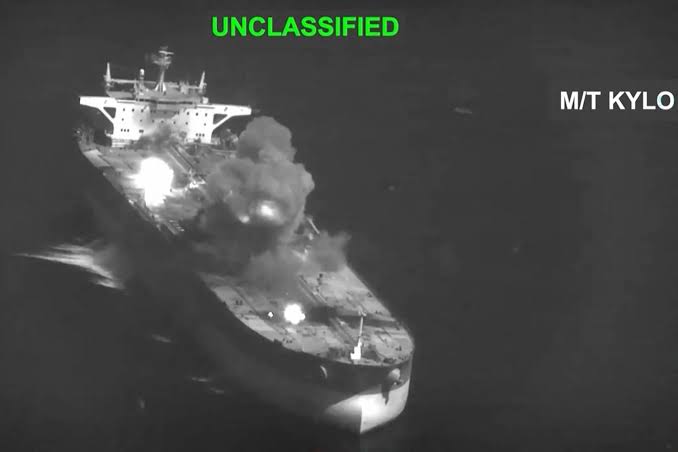
The day’s violence began with Iran. The Islamic Revolutionary Guard Corps launched ballistic missiles at two US Navy ships operating in the waters near Iran. No American personnel were harmed, US Central Command confirmed. But the attack triggered an immediate and deliberate American response calibrated not just to neutralise the threat but to impose economic pain.
US Central Command struck three Iranian oil carriers — including one off the coast of Kharg Island, the heart of Iran’s oil export infrastructure — in direct retaliation for the IRGC missile attack.
Admiral Brad Cooper, head of US Central Command, which oversees American military operations across the Middle East, left no ambiguity about the logic behind the response. “Let the message to the IRGC be clear,” he said. “If you shoot at two of our ships, we will impose an even higher economic cost — taking out three of yours.”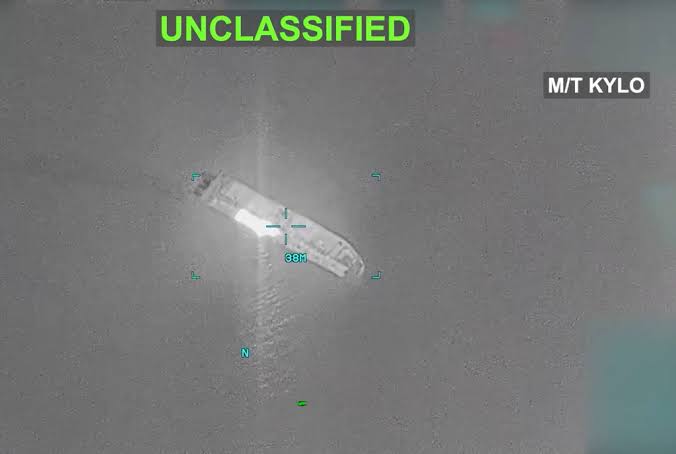
Three for two. The arithmetic of escalation, made explicit.
**Iran Strikes Back — and Warns the World**
The IRGC did not absorb the loss of three oil carriers quietly. Iran confirmed it had separately targeted three tankers it said were travelling on unauthorised routes in the Strait of Hormuz, as well as three US-linked vessels in other areas. The IRGC Navy issued a stark warning to all commercial shipping through the statement carried on Iranian state television: “Do not be deceived by the ‘terrorist’ US military and refrain from any suspicious movement aimed at passing through unauthorised waterways. Otherwise, you will be targeted.”
Tasnim, the semi-official Iranian news agency, reported that four US missiles struck a tanker in the anchorage area of Kharg Island. Local sources quoted by Tasnim said there were no casualties from that strike and that the tanker’s crew was being evacuated.
**The Strait That the World Depends On**
The waters in which Saturday’s exchanges took place carry a weight that goes far beyond the military conflict itself. The Strait of Hormuz — the narrow channel between Iran and Oman through which tankers must pass to move oil from the Persian Gulf to global markets — carried approximately one-fifth of the world’s entire oil supply before the current conflict began.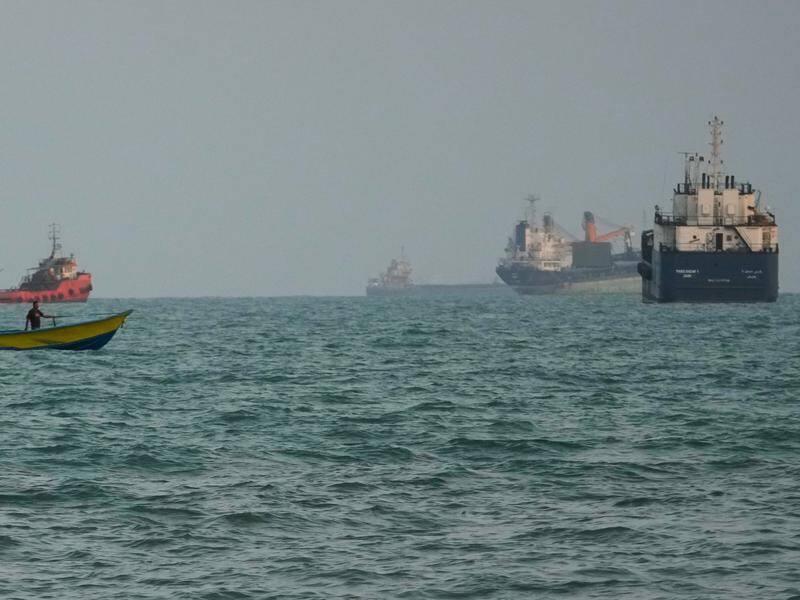
Iran effectively shut the strait to normal commercial traffic earlier in the conflict, triggering a sweeping US naval blockade on Iranian ports that has crippled Iran’s crude exports since mid-April. The combination of the blockade, intermittent Iranian attacks on tankers and the general disruption to regional shipping has kept global oil prices under sustained pressure throughout the summer. On Friday — before Saturday’s exchange — Brent crude futures closed at $96.28 per barrel, their highest level since July 24, driven by escalating supply concerns as the conflict shows no sign of resolution.
Saturday’s attacks on both Iranian oil carriers and commercial tankers are expected to push prices higher when markets open on Monday.
**Six Months of Conflict, No Exit in Sight**
Saturday’s maritime exchange is the latest episode in a conflict that has fundamentally reshaped the Middle East since the United States and Israel launched Operation Epic Fury on February 28, 2026. In the opening strikes, Iranian Supreme Leader Ayatollah Ali Khamenei was killed, nine Iranian naval vessels were sunk and hundreds of Iranian military and nuclear targets were hit. In the six months since, Iran has retaliated relentlessly — striking American bases in Jordan and Iraq, firing at Gulf state allies including Kuwait and Bahrain, targeting regional shipping and continuing to fund and direct proxy attacks across the Middle East.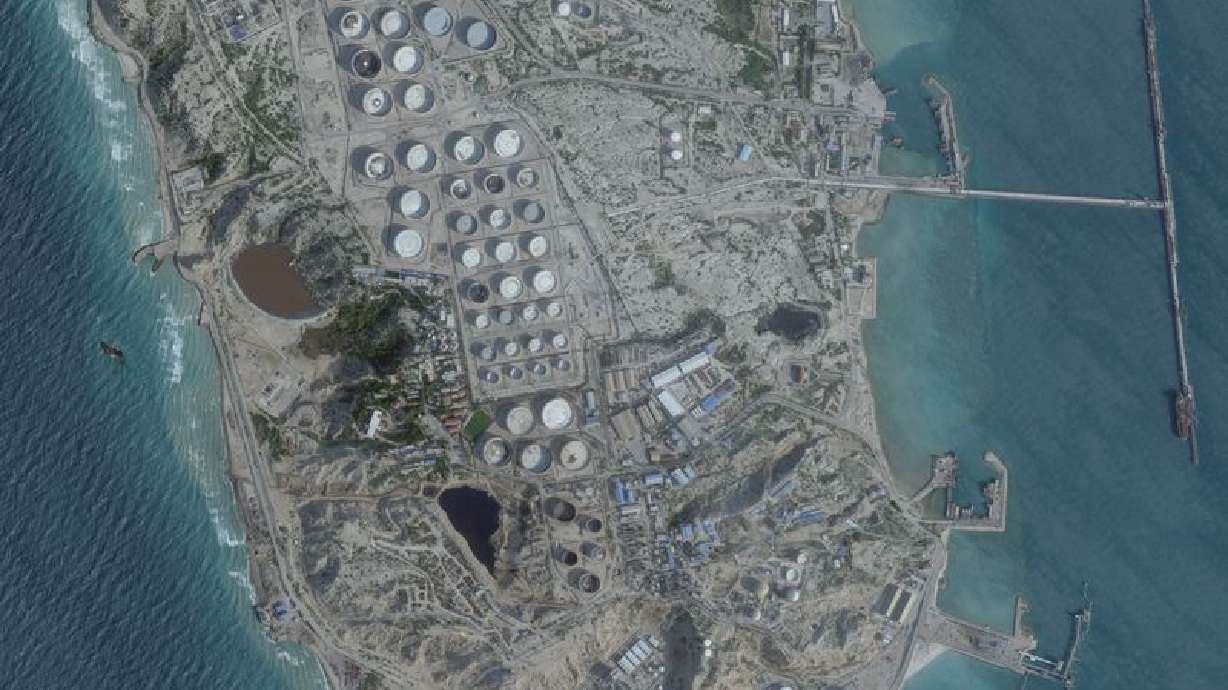
The US has conducted nine separate waves of airstrikes against Iranian territory. Seventeen American service members have been killed. Nearly 430 have been injured. A fragile truce reached last month collapsed within days. The Darkhovin nuclear power plant construction site has been struck. Iran’s military capacity has been significantly degraded — and yet Iran continues to fight, continues to produce oil through whatever channels remain available, and continues to threaten and attack American and allied vessels in the waters it has sought to control for decades.
Saturday’s exchange — ballistic missiles against US Navy ships, three oil carriers destroyed, three tankers targeted by Iran, a warning to all commercial shipping — is the kind of escalation that keeps oil traders, shipping companies and Gulf state capitals awake through the night.
The admiral’s message to the IRGC was clear. Whether Tehran receives it the way Washington intended is another matter entirely.
SOURCE BBC NEWS