Local News
He Came Home a King: Uganda Receives the Remains of Oyo Nyimba Kabamba Iguru Rukidi IV
He Came Home a King: Uganda Receives the Remains of Oyo Nyimba Kabamba Iguru Rukidi IV

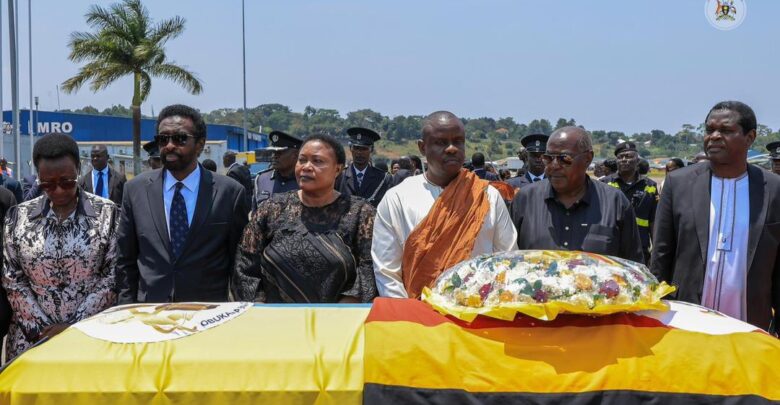
ENTEBBE, 9:58 this morning, President Yoweri Kaguta Museveni arrived at Entebbe International Airport. A portrait of a young king had been placed in the terminal. Outside, an honour guard stood at attention. Uganda was waiting.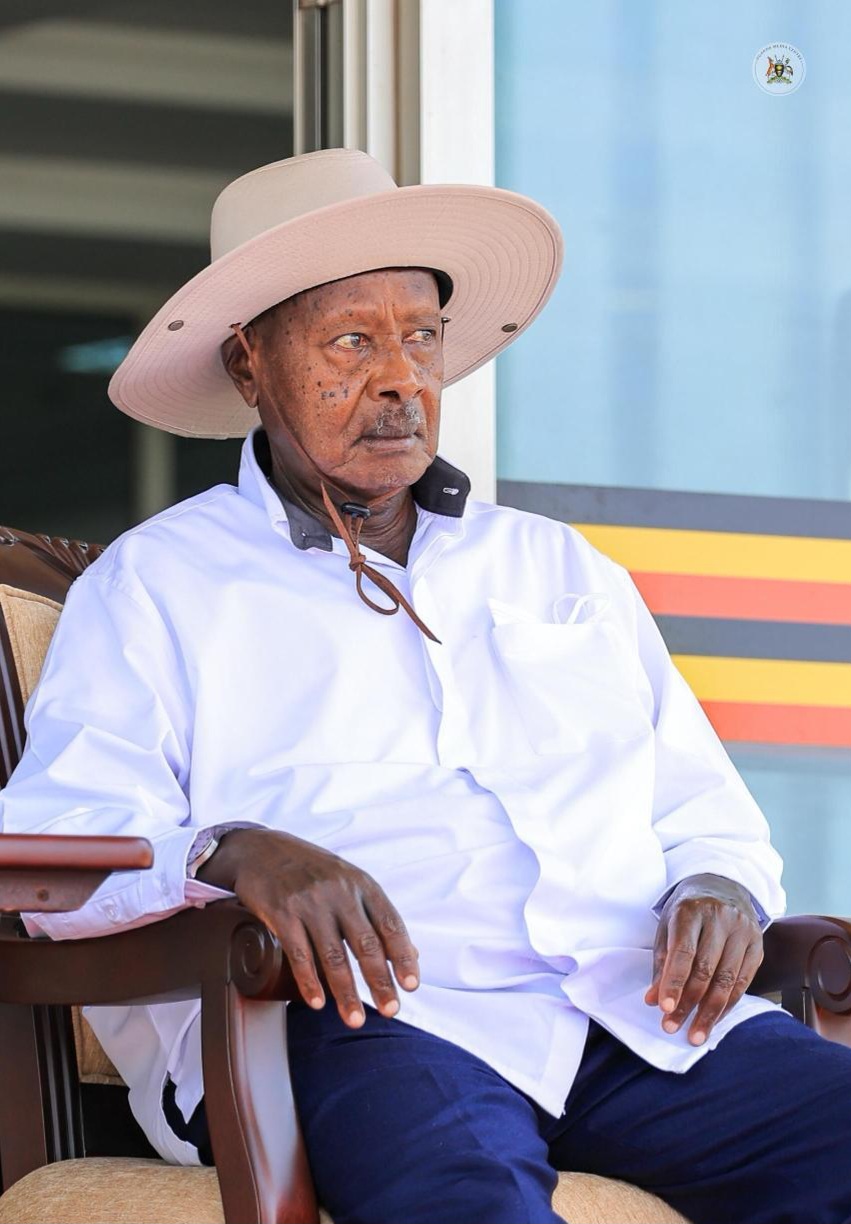
The casket carrying the remains of Rukirabasaija Omukama Oyo Nyimba Kabamba Iguru Rukidi IV — the Omukama of Tooro, the world’s longest-serving monarch to have been crowned as a child, and until eight days ago one of Uganda’s most beloved cultural figures — had departed Dallas Fort Worth International Airport in the United States on Wednesday, September 2, 2026. It crossed an ocean and a continent. It arrived today.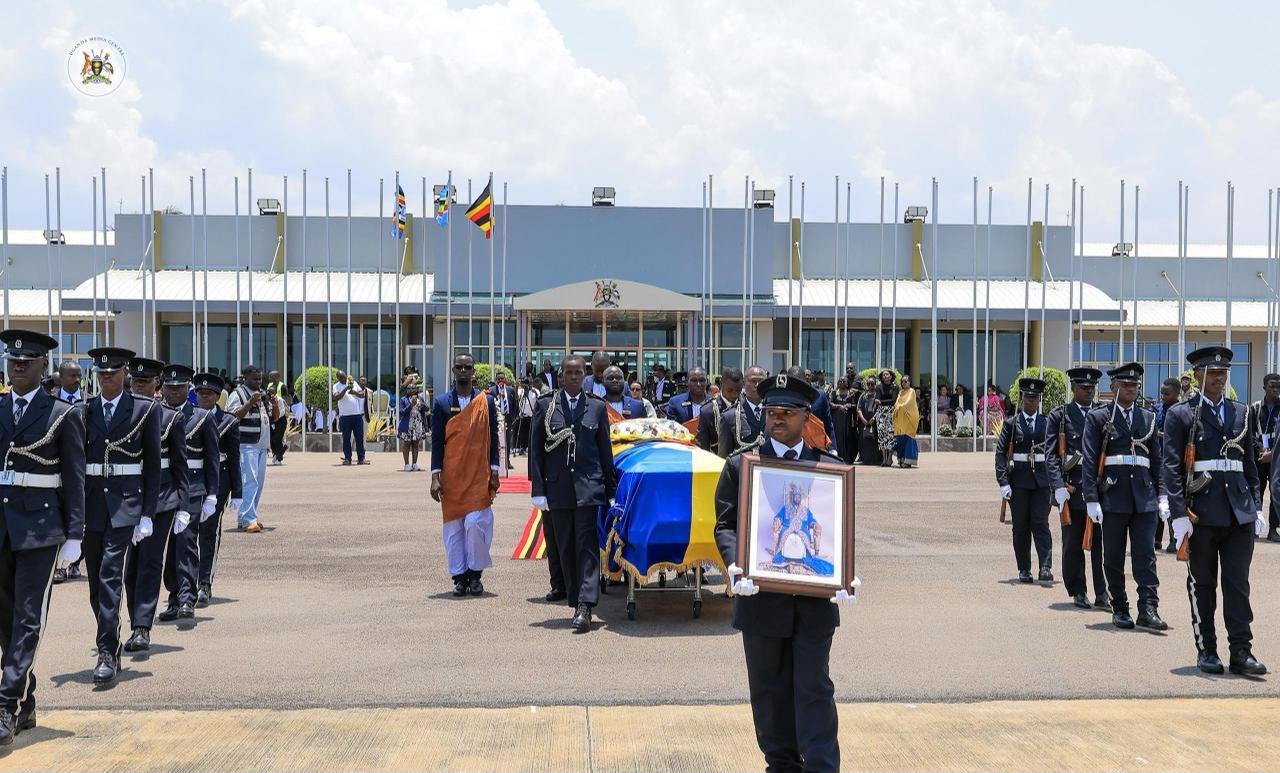
King Oyo was 34 years old. He had been king for 31 of them.
**A LIFE THAT BEGAN IN GRIEF AND GREW INTO GREATNESS**
Oyo Nyimba Kabamba Iguru Rukidi IV was born on April 16, 1992, to King Patrick David Matthew Kaboyo Olimi III and Queen Best Kemigisa. He grew up inside the rhythms of Tooro royal life, the son of a king, with no reason to imagine that his father’s throne would become his own so soon.
His father died in 1995. Oyo was three years old.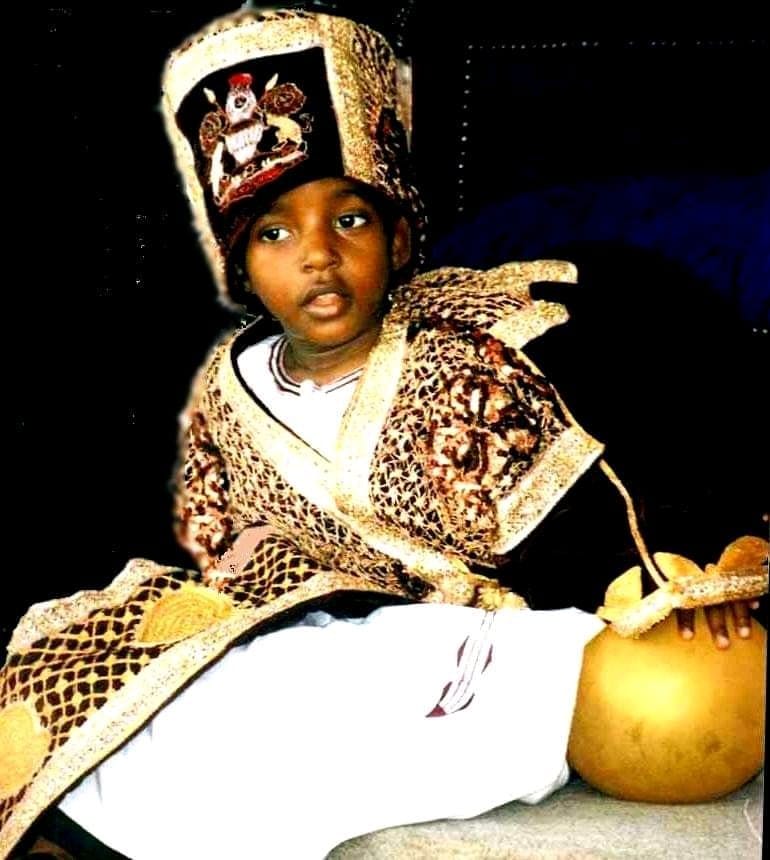
On September 12, 1995, a toddler was dressed in royal regalia and seated on the throne of the Tooro Kingdom — a kingdom in western Uganda that traces its origins to the 14th century and its modern form to the restoration of Uganda’s traditional monarchies in 1993. The ceremony was attended by President Museveni, dignitaries and thousands of Tooro subjects who had come to witness something they had never seen: a child becoming king.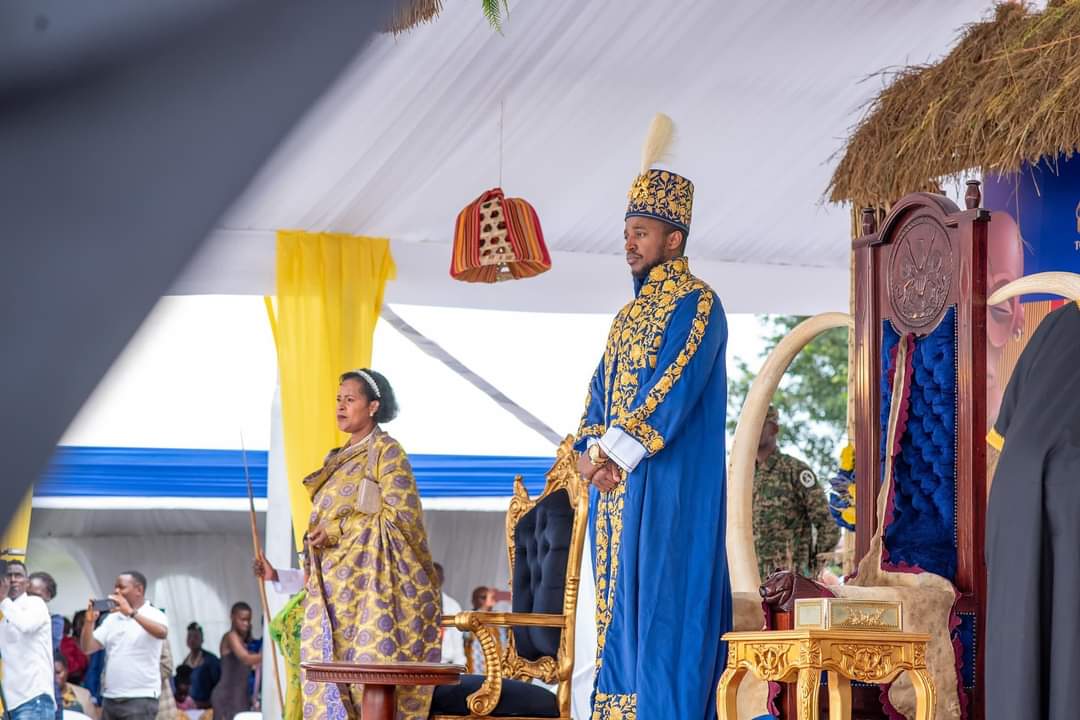
Guinness World Records subsequently recognised Oyo as the world’s youngest reigning monarch. The distinction followed him throughout his life — though by the time he came of age, the record mattered far less than what he did with the reign behind it.
**THE REIGN: 31 YEARS AT THE HEART OF TOORO**
King Oyo grew up in public, which is both the privilege and the burden of constitutional monarchy. Ugandans watched him move from a toddler carried to his coronation to a teenager navigating the complexities of royal life to a young man who took his cultural responsibilities with increasing seriousness. He became the face of Tooro Kingdom to the world — attending international forums, advocating for his people’s welfare, promoting western Uganda’s culture, environment and tourism, and maintaining the delicate balance between traditional authority and modern Ugandan political life that Uganda’s restored monarchies require.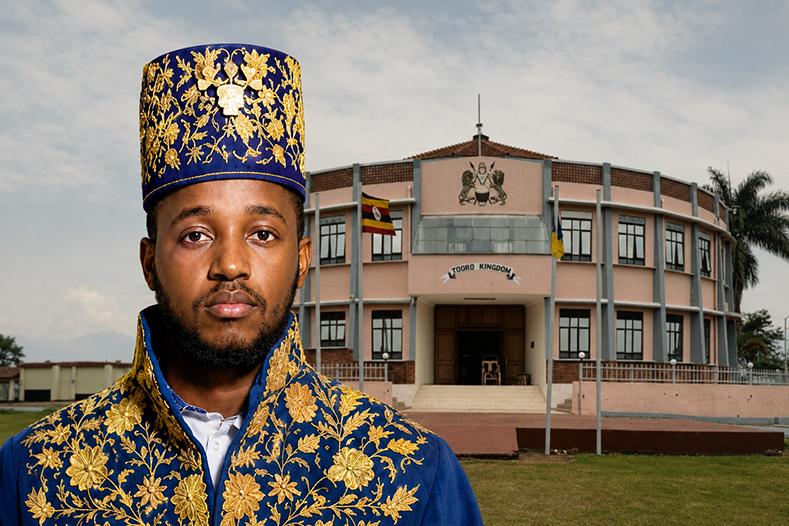
He did it for 31 years. He did it with grace. He did it until August 27, 2026, at approximately 10:00 pm — when the Tooro Kingdom Prime Minister, Calvin Armstrong Rwomiire Akiiki, announced to the kingdom and the nation that the king had died while receiving medical treatment in the United States. The specific cause of his death has not been publicly disclosed by the royal family, and that privacy has been respected in Uganda’s official mourning programme.
His death plunged Tooro into mourning immediately. Hundreds of subjects gathered at Karuziika Palace in Fort Portal — the kingdom’s only official palace — and at other designated mourning centres. The news spread across Uganda in minutes, the tributes arriving in a flood: from political leaders, from fellow traditional monarchs, from the diaspora, from ordinary Ugandans who had grown up watching him grow up.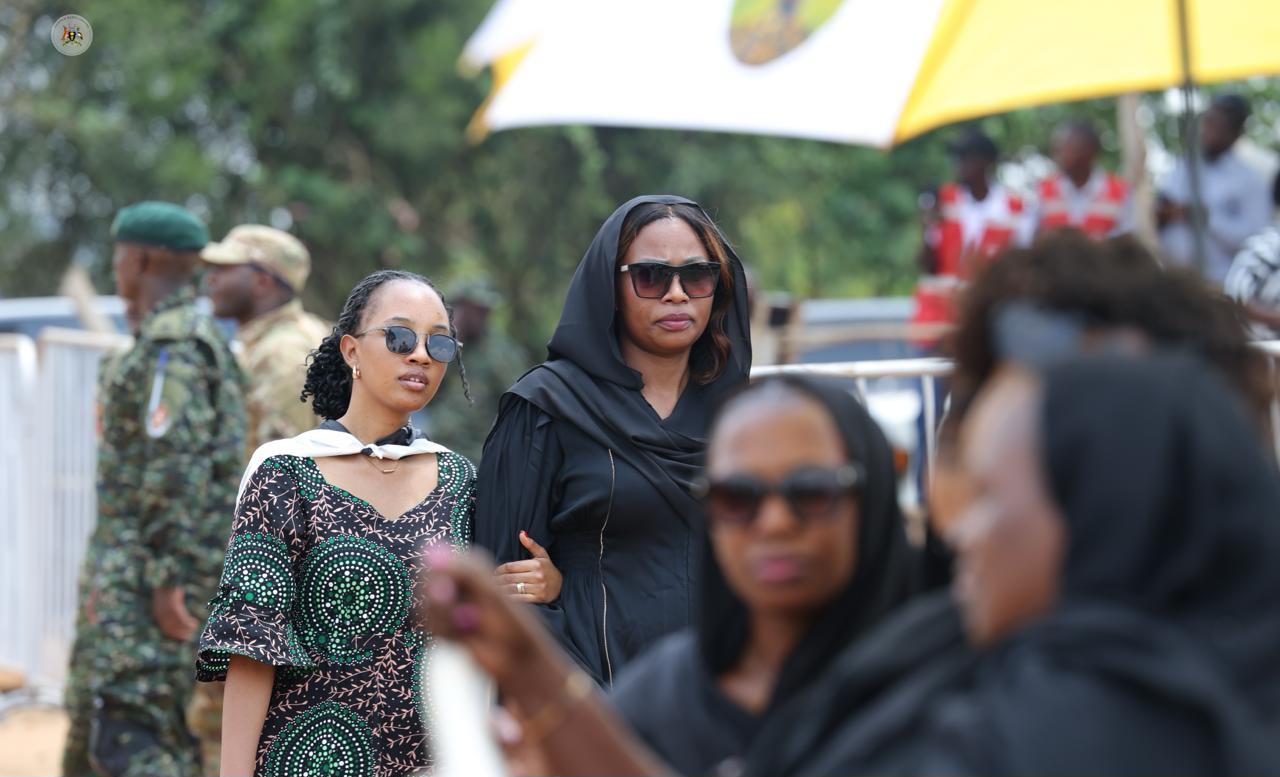
**THE GOVERNMENT RESPONSE: A STATE BURIAL FOR A CULTURAL KING**
President Museveni moved quickly to signal the national significance of the loss. He granted King Oyo an official state-supported burial — an honour that reflects both the personal relationship between the two men, who had known each other for the entirety of Oyo’s reign, and the government’s recognition of the Tooro Kingdom’s place in Uganda’s national fabric.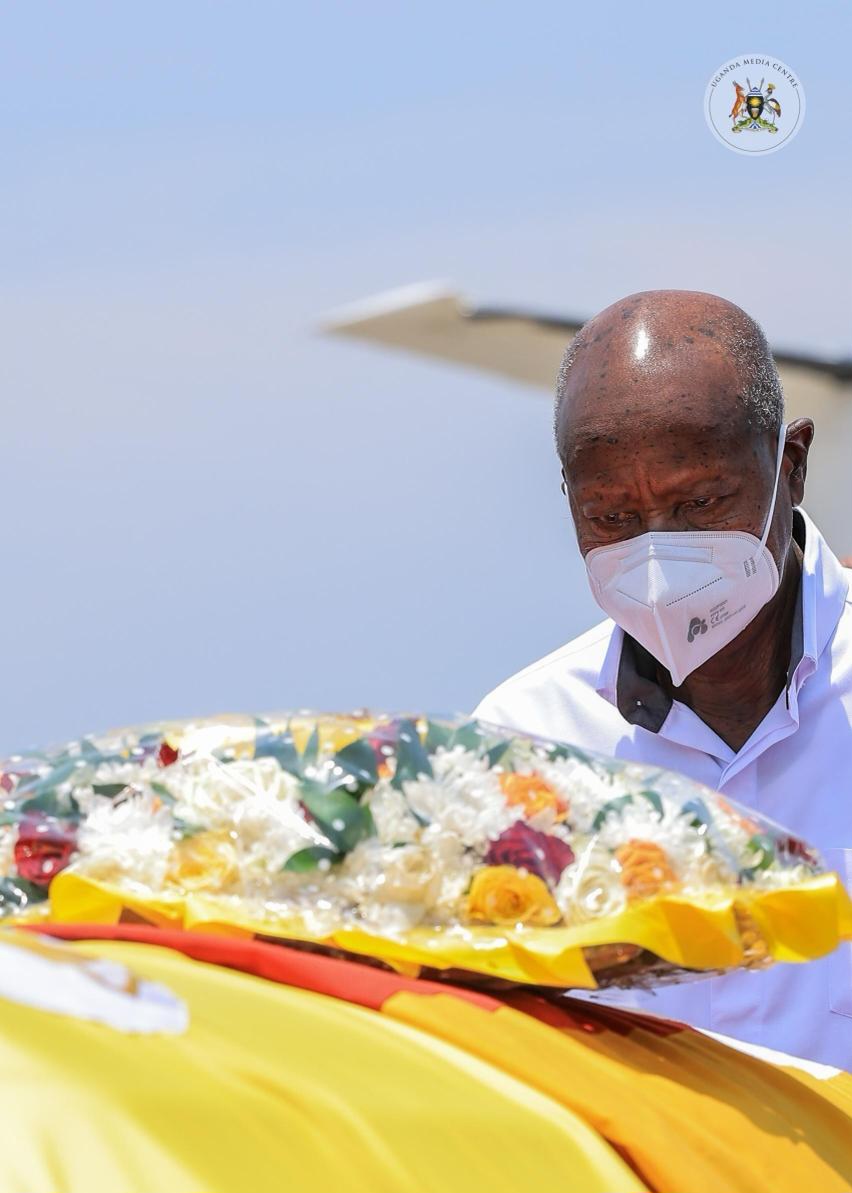
Museveni directed that national flags fly at half-mast for three days: the day before the burial, the burial day and the following day. He authorised State House to meet the medical and repatriation costs of transporting the king’s remains from Dallas through Nairobi to Entebbe. He appeared at the airport this morning himself, to receive the king in person.
Minister for the Presidency Babirye Milly Babalanda, announcing the official burial programme at the Uganda Media Centre on Thursday, described the late monarch as “a young, iconic, promising and people-oriented monarch” whose death had plunged the country into mourning. State Minister for Gender and Culture Mary Kamuli Kuteesa, addressing journalists separately, said the loss carried a particular weight for the Queen Mother.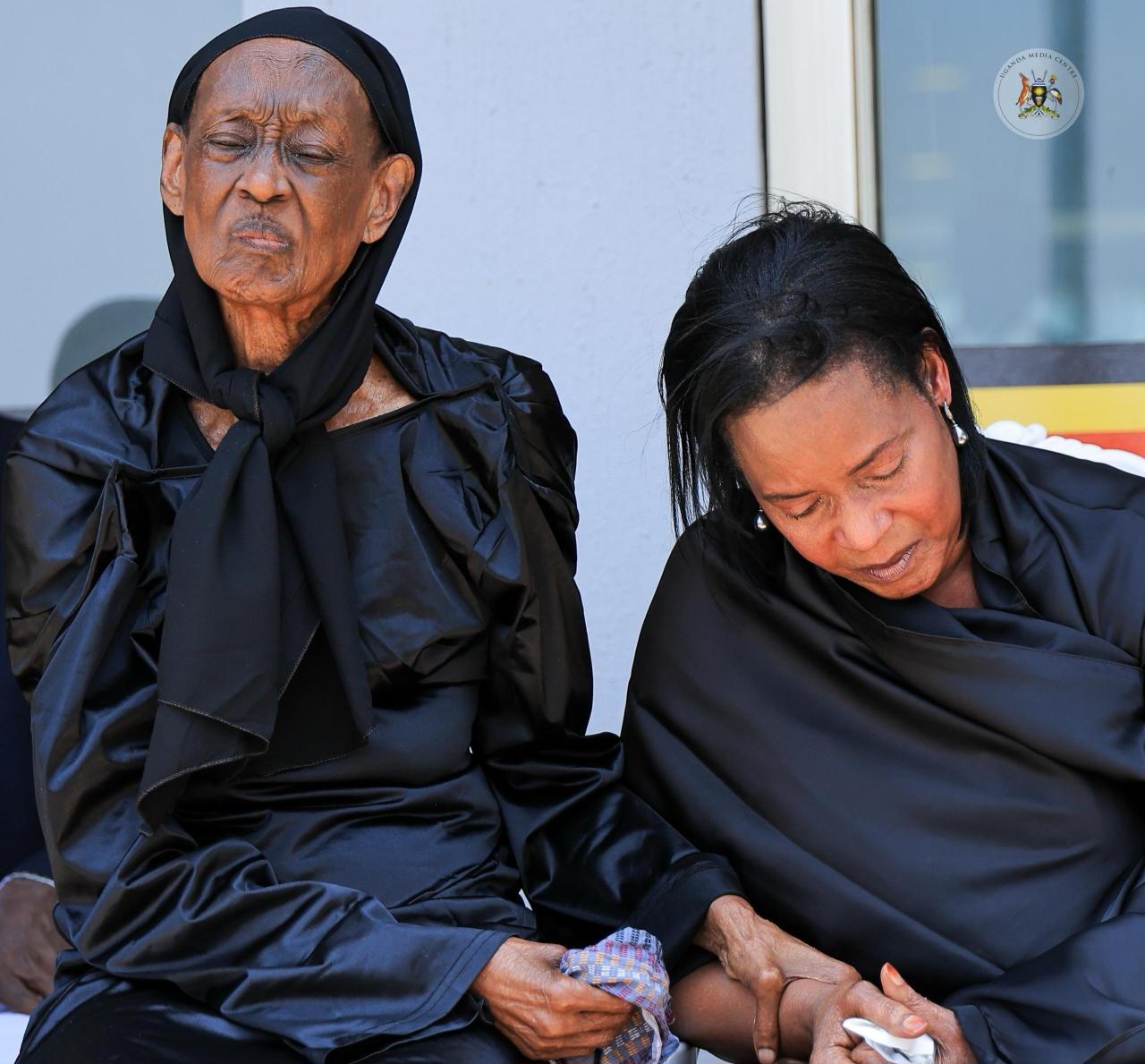
“She has not just lost a king like most of us have done,” Kuteesa said. “She has not just lost a friend. She has lost one cut from her umbilical cord.”
Prime Minister Robinah Nabbanja chaired a government coordination meeting this week to manage the official preparations, which include security arrangements by a joint Uganda Police Force and UPDF team, health camps along the funeral route managed by the Ministry of Health, and protocol arrangements for royal delegations expected from across Uganda and Africa. Seven traditional kings from across Uganda have already expressed interest in attending the burial. The UPDF will fire eleven or thirteen gun salutes as part of the official honours.
**TODAY AND THE NINE DAYS THAT FOLLOW**
From Entebbe, the remains will be airlifted to Chegewa Airstrip in Kyegegwa District, before a road procession takes the king home to Karuziika Palace in Fort Portal City — the palace that has remained closed since his death, its main entrance cordoned off, waiting for its king to return.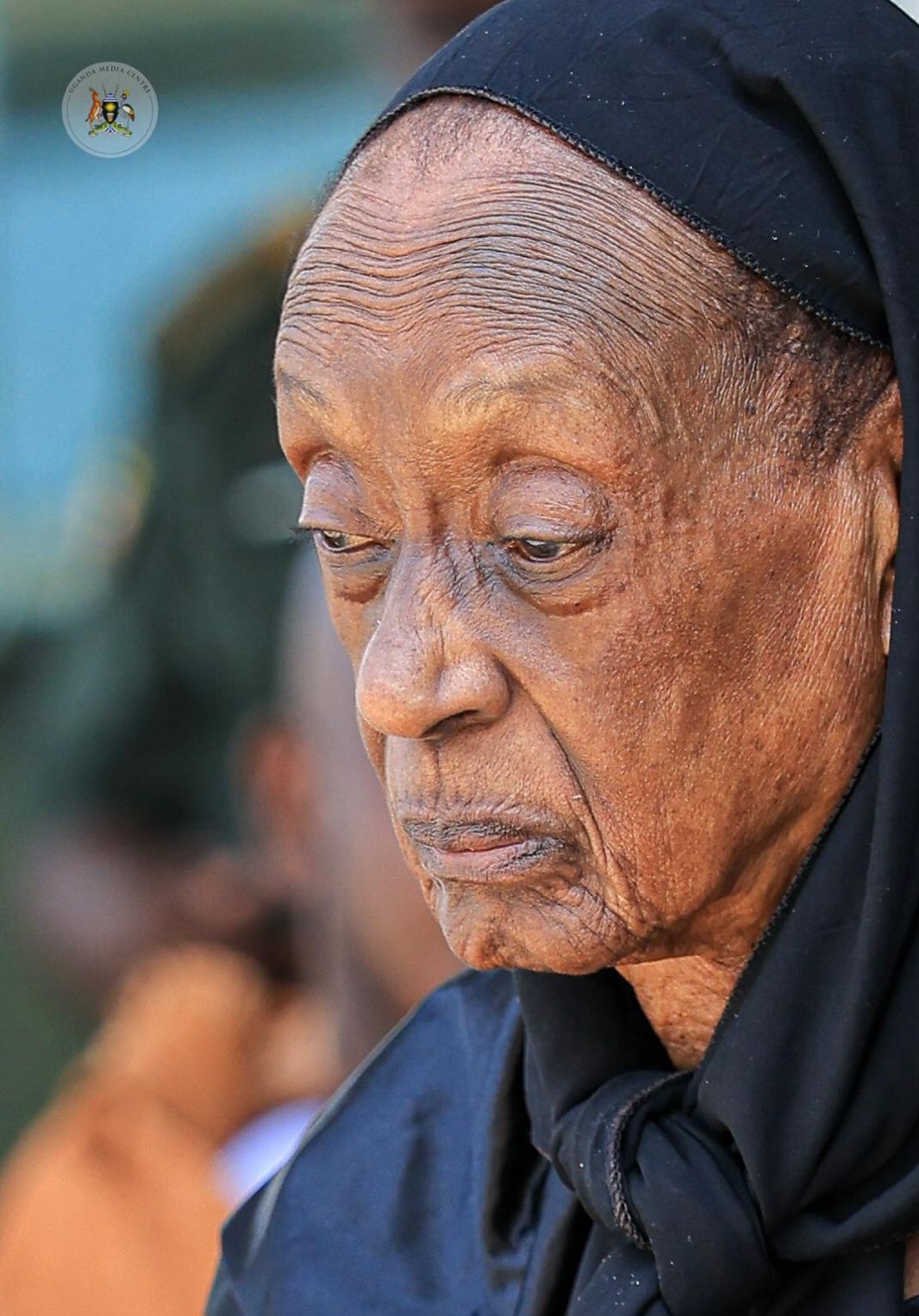
Hundreds of Tooro subjects are expected to line the roads from Kyegegwa to Fort Portal, standing in silence or in tears along the route that will carry their king through the landscape he knew from childhood. The kingdom’s Office of the Omujwera Musuuga — which oversees Tooro’s cultural funeral rites — has confirmed that the formal nine-day mourning period will begin upon the remains’ arrival at Karuziika, where King Oyo will lie in state and receive his subjects for the last time.
Daily evening prayers will be held at the palace throughout the mourning period. Members of the public, friends, colleagues, dignitaries and fellow monarchs will be received. On September 12 — the ninth and final day of official mourning — the king will be buried at the Karambi Royal Tombs, where the monarchs of Tooro have been laid to rest for generations.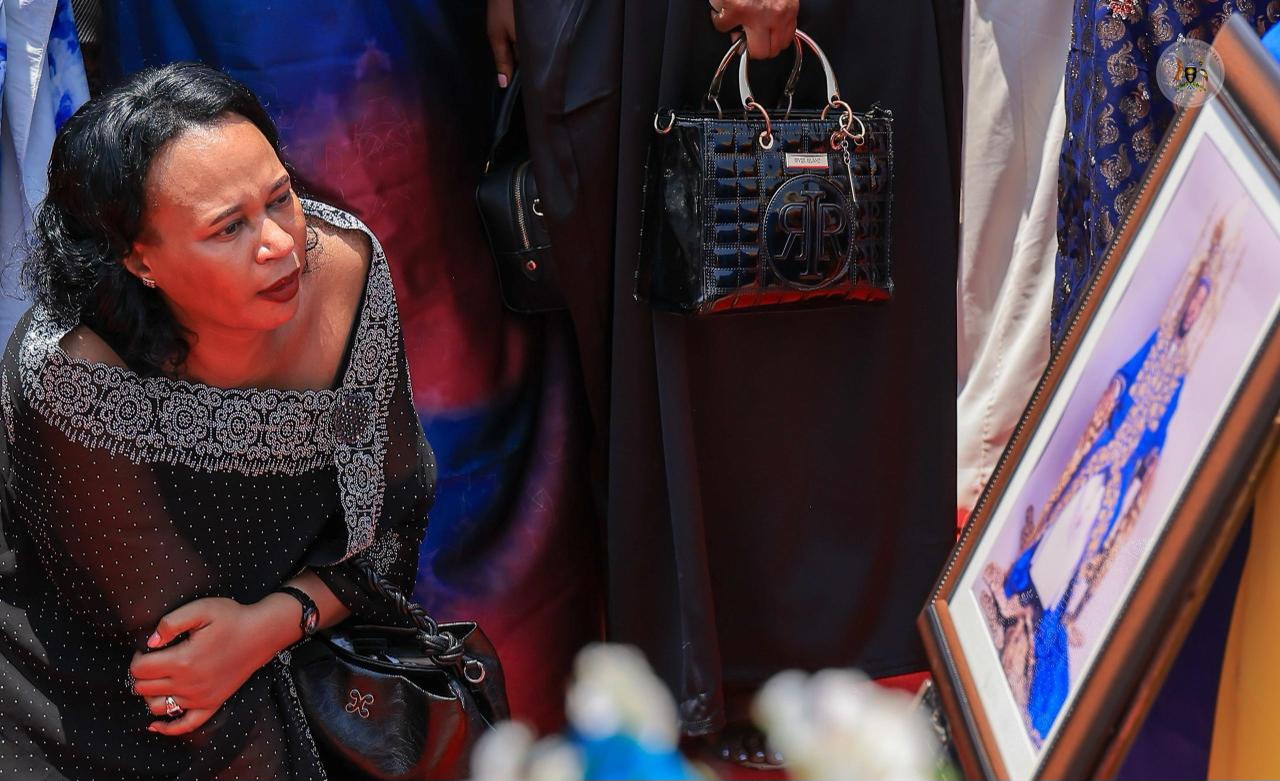
The date carries a significance that has not been lost on anyone in Tooro. September 12 is the anniversary of his coronation — the same day in 1995 when a three-year-old boy was seated on the throne of the kingdom. Thirty-one years later, on the same date, the man he became will be laid to rest beside the kings who came before him.
**THE QUESTION THAT COMES NEXT**
A kingdom must have a king. The Babiito royal clan — the royal lineage from which Tooro monarchs are drawn — has already convened to begin the succession process, with a committee formed to manage what will be one of the most significant moments in the kingdom’s modern history. Conflicting early accounts have emerged over reported heirs, and the clan has moved quickly to assert that the succession process is its responsibility and its alone to manage. No formal announcement has been made.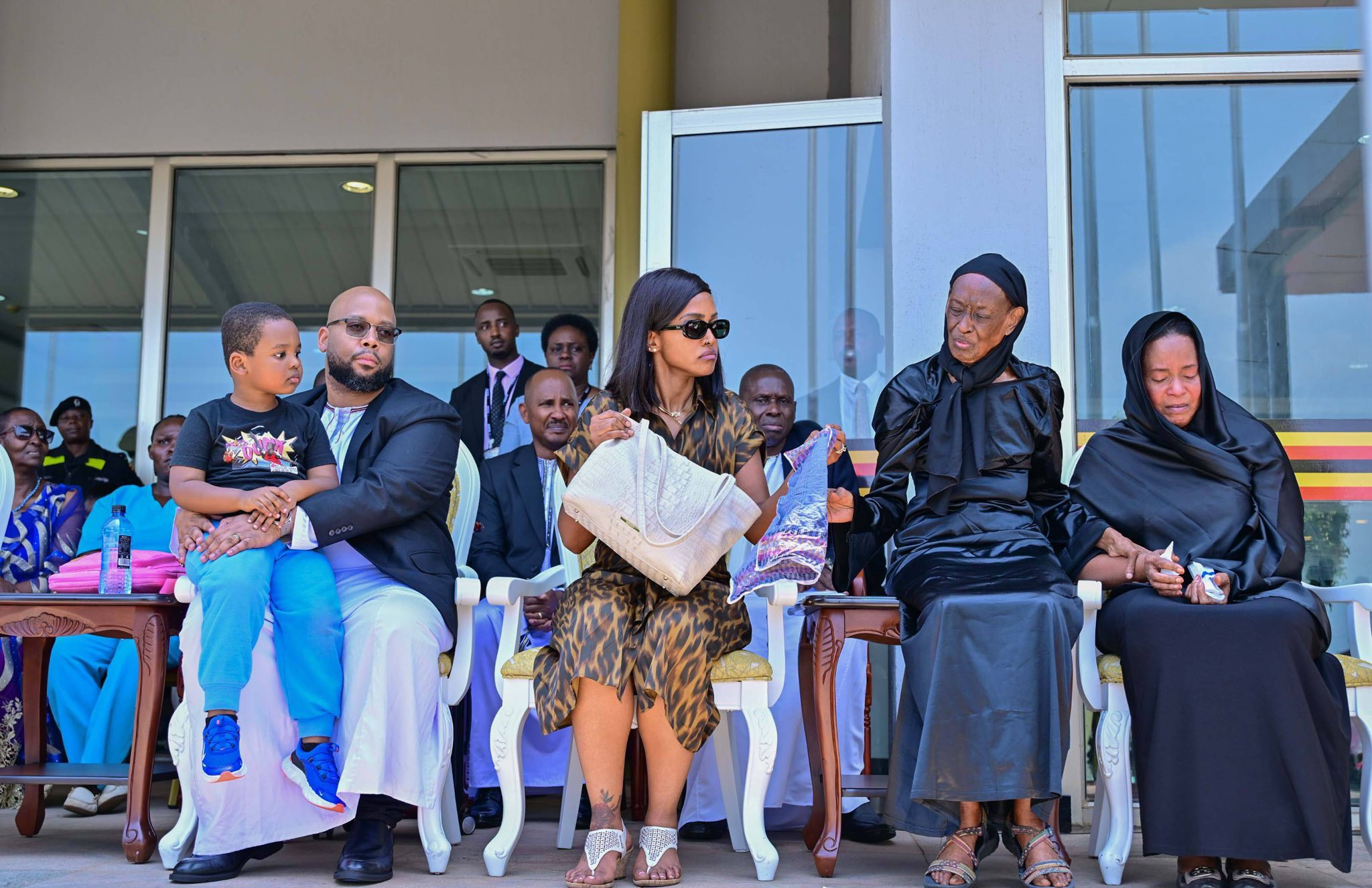
The mourning period is not a time for those decisions. That work comes after. For now, Tooro has nine days to grieve, to remember and to say goodbye to the king who had been theirs since before most of the kingdom’s young people could walk.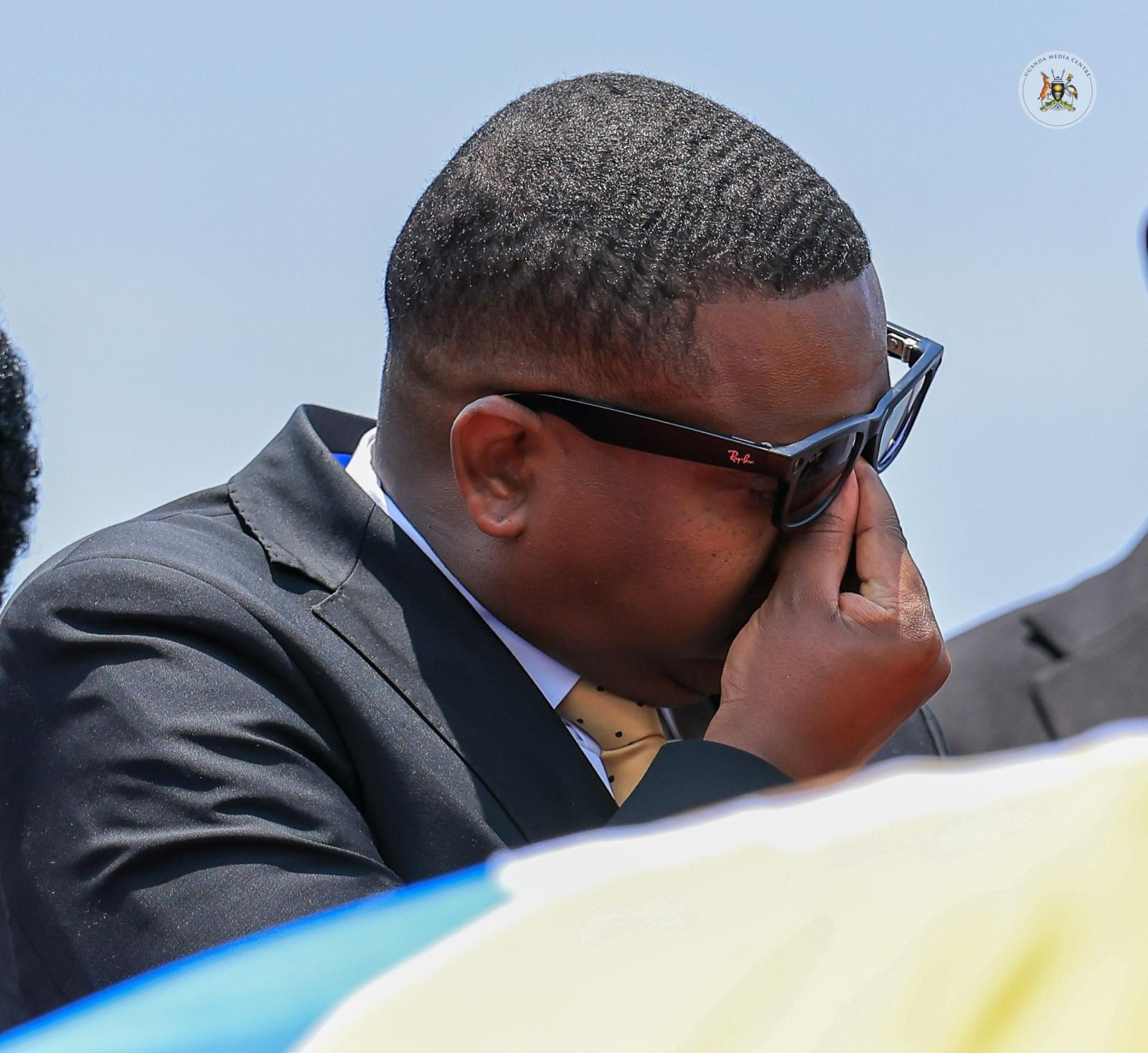
He came to the throne as a toddler who could not fully understand what was being placed on his head. He carried it for 31 years. He came home today.
SOURCE DAILY MONITOR