BusinessEnvironmentLocal News
Uganda’s $1.7 Billion Dam is Drowning in Weeds, Debt and Broken Promises: The Full Story of Karuma’s Troubled Rise
Uganda's $1.7 Billion Dam is Drowning in Weeds, Debt and Broken Promises: The Full Story of Karuma's Troubled Rise

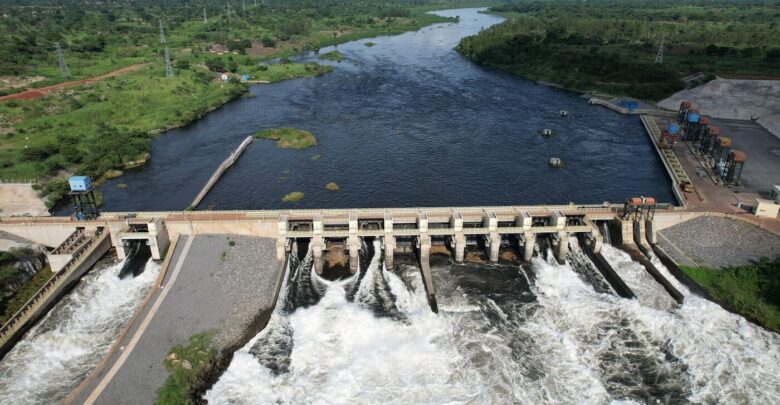
KIRYANDONGO — It was supposed to transform Uganda. A 600-megawatt powerhouse on the River Nile — the largest hydroelectric project in the country’s history — that would end load-shedding, power Uganda’s industrialisation drive and announce to the world that East Africa’s sleeping giant had finally awoken.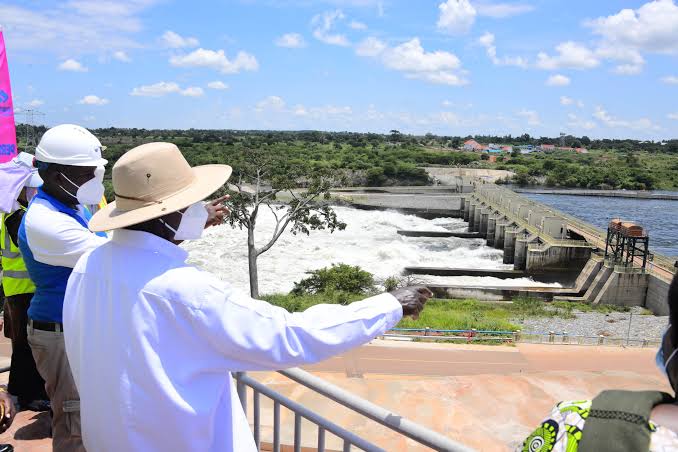
Thirteen years after construction began, Karuma Dam is generating power. But it is also generating something else: an ever-lengthening list of crises, defects, unpaid bills and broken promises that have turned one of Uganda’s greatest infrastructure ambitions into one of its most cautionary tales.
**THE NUMBERS THAT CONDEMN**
Start with the figures. Construction of Karuma Hydroelectric Power Station began in 2013. It was contracted to be completed within 60 months — by 2018. The actual duration of implementation has stretched to approximately 114 months. That is a delay of 54 months, or four-and-a-half years beyond the original deadline.
The cost has ballooned accordingly. The original project budget was $1.7 billion — approximately Shs6.323 trillion. The bill has since climbed to approximately Shs8.18 trillion, a cost overrun of nearly Shs2 trillion. Compounding the financial damage, Uganda has been paying off its loan to the Export-Import Bank of China — the project’s primary financier — since before a single kilowatt of electricity was produced from the dam. Delayed payments have accrued an additional Shs113.9 billion in interest charges alone. The Auditor General’s report, covering the financial year ended June 30, 2023, documented all of this in clinical detail.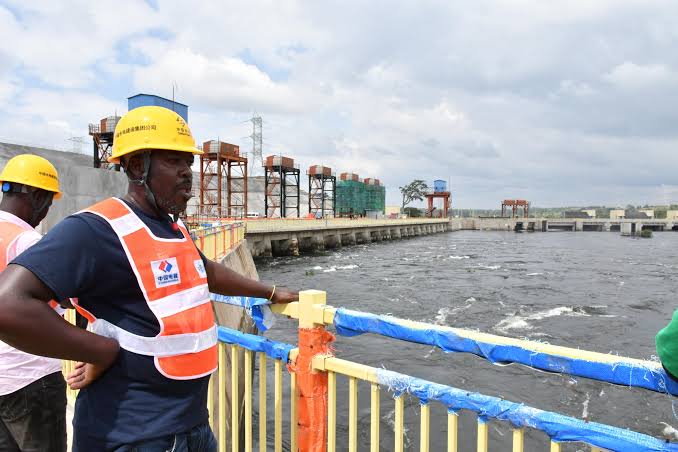
Now, five days ago, a new bill landed. Daily Monitor reported on August 25, 2026, that the contractor — Chinese state-owned firm Sinohydro Corporation — is demanding an additional Shs148 billion to fix defects in the dam’s own construction. Uganda is being asked to pay its builder to repair what its builder built.
**WEEDS IN THE TURBINES**
The most visible and immediate crisis is also the most absurd. In late August 2026, the Parliamentary Energy Committee, chaired by Dan Kimosho, conducted a field inspection of Karuma and discovered that the dam is being choked by water weeds.
Engineers admitted to the committee that aquatic vegetation — particularly invasive water hyacinth and associated debris accumulating on intake trash rack screens — is restricting water flow to the turbines, reducing power generation below capacity and causing revenue losses for the government. The problem is worst during the rainy season, when debris and weed inflow intensifies. The boom lines installed to trap floating debris and protect the turbines had been damaged — and at Isimba Dam, the boom line was never even installed by the contractor upon commissioning. MPs demanded answers. Engineers offered explanations. Ugandans continued to experience power shortages.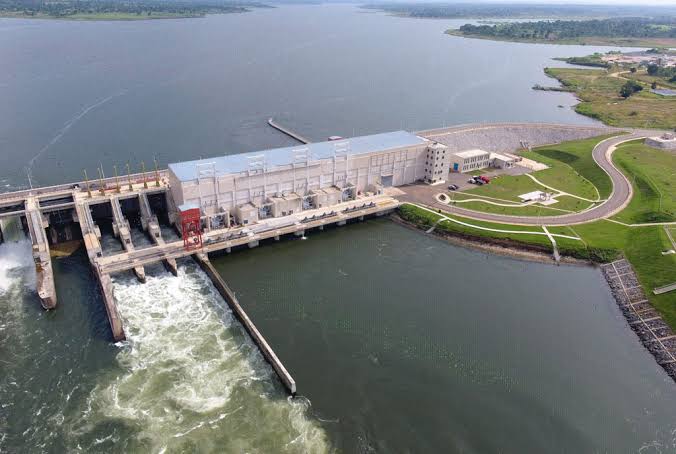
A 600MW dam on the Nile — Africa’s greatest river — is being beaten by water weeds.
**CRACKS, CORRUPTION AND CONSTRUCTION FAILURES**
The weed crisis is only the latest chapter in a construction saga marked by serious quality failures from the beginning. Cracks emerged in the dam structure itself during construction — a fact that triggered safety concerns and contributed to the protracted delays in commissioning. Construction of regional substations and transmission lines ran behind schedule. When synchronisation of the first 100MW to the national grid was finally achieved in March 2023 — five years late — it was presented as a milestone. The remaining generation units followed by June 2024.
Corruption allegations have shadowed the project throughout. The People’s Map of Global China, which tracks Chinese-financed infrastructure globally, documents the dam as having been “marred by significant construction delays and quality issues, persistent labour abuses, tensions with the local community, and problems with land compensation due to resettlement.” Sinohydro, which has never publicly responded to questions about the defect repair demand or the labour abuse allegations, did not respond to requests for comment sent by Just Finance International and the Business and Human Rights Resource Centre.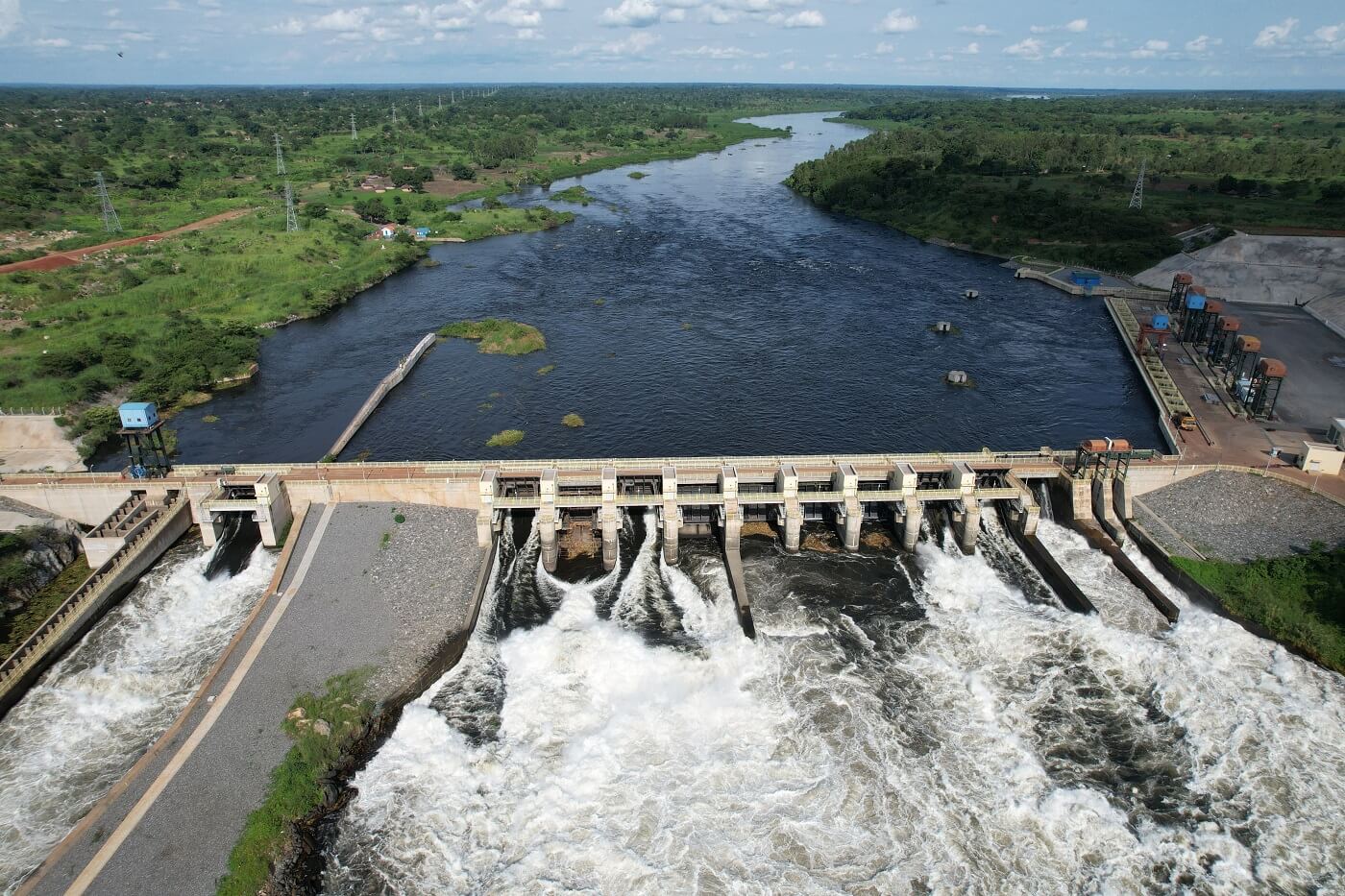
Academic research published in the Journal of Modern African Studies documented what happened inside the dam’s workforce: chronic verbal abuse of African workers by Chinese managers, resistance to trade union formation, wildcat strikes triggered by poor living conditions, excessively long work hours and low wages — and management intimidation tactics deployed in response to worker complaints. Mass worker resignations, the research found, contributed directly to construction delays.
Poor working relationships between Ministry of Energy technocrats and the Uganda Electricity Generation Company Limited — the government entity overseeing the dam — were separately identified as a key internal failure by Dr Badru Kiggundu, whom President Museveni appointed in 2016 to lead the steering committee supervising Karuma and Isimba. “The issues arising were compounded by the poor working relationship between the ministry technocrats and UEGCL,” Kiggundu told Daily Monitor. Five separate project insiders interviewed by the same newspaper independently confirmed that assessment.
**THE PEOPLE LEFT BEHIND**
Behind the engineering failures and financial overruns lies a human catastrophe that has received far less attention than it deserves.
According to the Parliamentary Committee on Environment and Natural Resources’ report on the Ministerial Policy Statements for the financial year 2026/27, the Ugandan government owes approximately Shs70 billion to Project Affected Persons under the Karuma Hydropower Project — families who were displaced from their land when construction began thirteen years ago and have never been compensated.
Owelo Patrick is 53 years old. When the project claimed his eucalyptus plantation in Ayuda Village, he lost his family’s primary source of livelihood. He is still waiting for compensation. He rents a modest house and survives on odd jobs. “I am growing old and don’t have a permanent job,” he told Witness Radio. “It is becoming hard to survive after losing my land that was my family’s source of livelihood.”
Owelo is not alone. Hundreds of families remain uncompensated and unresettled, more than a decade after their land was taken. Some have died waiting. Others have sent repeated petitions to the President, to Parliament, to Sinohydro and to the Chinese Embassy in Kampala — a written complaint signed by William Ogik and other Project Affected Persons from Karuma, dated August 14, 2024, formally documented their grievances and called for government intervention. As of August 2026, the Shs70 billion owed to them remains unpaid.
**WHAT KARUMA WAS SUPPOSED TO BE**
The tragedy of Karuma is inseparable from what it was supposed to represent. Uganda’s Vision 2040 — the government’s long-term development framework — identifies electricity access as the engine of industrialisation, foreign investment and poverty reduction. Karuma, at 600MW, was designed to nearly double Uganda’s installed generation capacity and eliminate the chronic load-shedding that has cost the Ugandan economy billions in lost productivity over decades.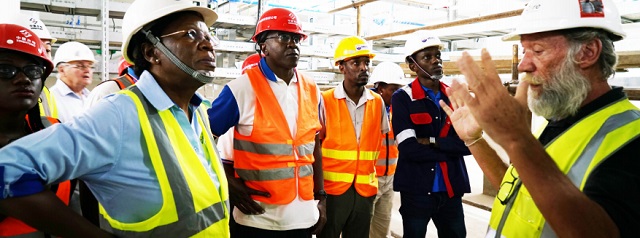
Those goals are not wrong. Uganda’s electricity access rate remains among the lowest in the region. Industrialisation requires reliable, affordable power. A 600MW dam on the Nile, properly built and maintained, would be transformative.
But Karuma was not properly built. It was not delivered on time. It was not delivered within budget. The people it displaced were not compensated. The loan Uganda took to build it began accumulating interest before the dam generated a single unit of electricity. The contractor is now demanding Shs148 billion more to fix its own defects. And the turbines are being choked by weeds while MPs demand answers that engineers struggle to give.
Thirteen years on, Karuma Dam is not a symbol of Uganda’s energy transformation. Not yet. It is a symbol of what happens when megaprojects are contracted without adequate oversight, managed without sufficient transparency, and delivered to communities that are never fully made whole.
The dam is generating power. It is also generating a warning that Uganda — and every African nation negotiating Chinese-financed infrastructure — would do well to heed.
SOURCE DAILY MONITOR