EnvironmentLocal News
From Boy King to Tooro’s Beloved Monarch: The Final Days of King Oyo
From Boy King to Tooro’s Beloved Monarch: The Final Days of King Oyo

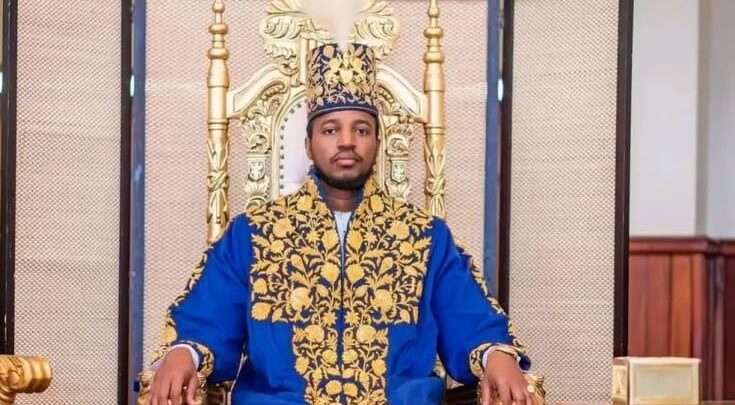
FORT PORTAL, Uganda — For nearly 31 years, the face of the Tooro Kingdom was a familiar one: a young prince who became king at just three years old and grew into one of Uganda’s best-known traditional leaders.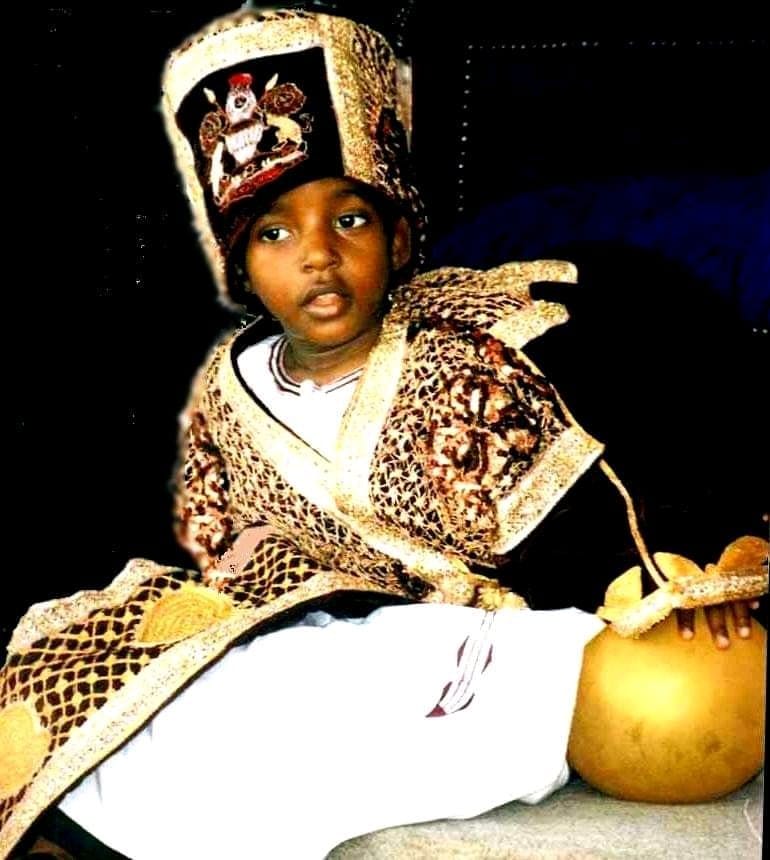
On Thursday night, that remarkable story came to an end.
King Oyo Nyimba Kabamba Iguru Rukidi IV died at approximately 10pm on August 27, 2026, while receiving medical treatment in the United States. He was 34.
His death was announced by Tooro Kingdom Prime Minister Calvin Armstrong Rwomiire Akiiki, hours after the Kingdom had confirmed that the monarch was critically ill and appealed to the public to pray for him.
The news came after a day of uncertainty.
Earlier on Thursday, social media reports had begun circulating that King Oyo had died. The reports were initially rejected by government and kingdom officials.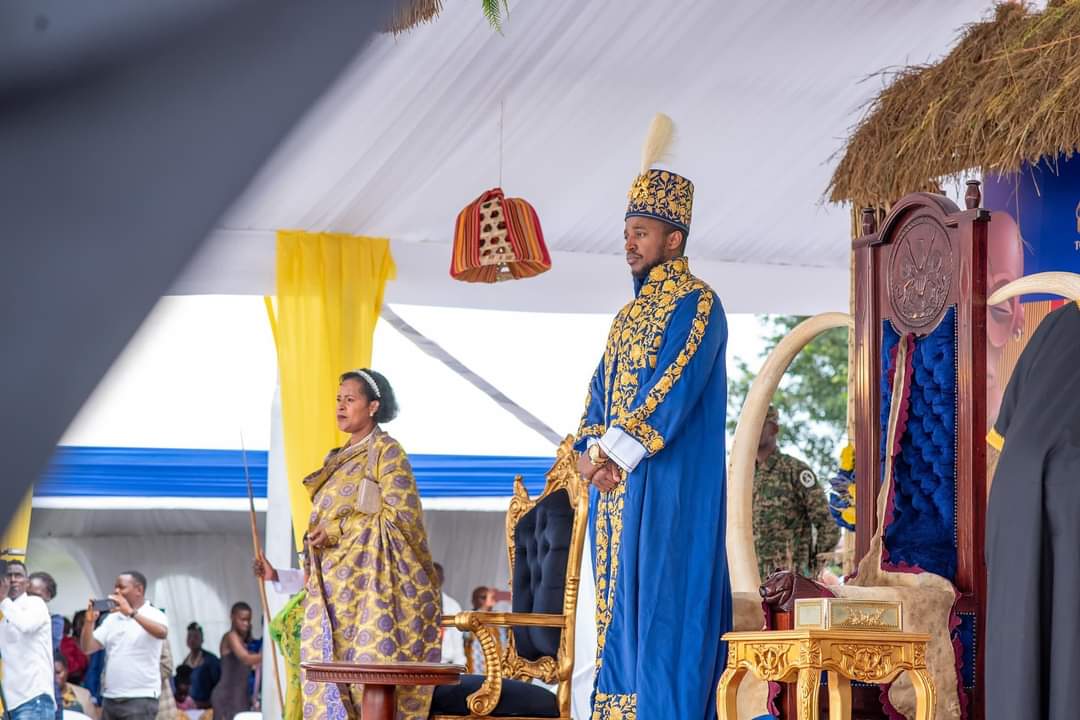
Minister for Youth and Children Affairs Balaam Barugahara said the King was alive but seriously ill and undergoing medical treatment in the United States. The Tooro Kingdom subsequently confirmed that Oyo was in critical condition and asked the public to avoid speculation and rely on official updates.
By Thursday night, however, the Kingdom confirmed what many Ugandans had feared.
The monarch was dead.
A king at three
Born on April 16, 1992, Oyo was the son of Omukama Patrick David Matthew Kaboyo Olimi III and Omugo Best Kemigisa.
His childhood changed forever on August 26, 1995, when his father died. Just weeks later, on September 12, three-year-old Oyo ascended the Tooro throne.
His accession made international headlines.
He became the world’s youngest reigning monarch, a distinction associated with him throughout his childhood and early adulthood.
Because he was still a child, the responsibilities of the kingdom were initially handled through regents. His mother, Queen Best Kemigisa, played a significant role in his upbringing and in guiding the institution while he grew up.
Oyo eventually assumed greater responsibility for the kingdom as he came of age.
His formal coronation took place in 2010, shortly after he turned 18. By then, the little boy who had inherited the throne had become an adult monarch responsible for carrying Tooro’s traditions into a new generation.
The boy king grows up
Away from the royal ceremonies, Oyo experienced a childhood that was unusual by almost every measure.
He attended school, spent time with friends and developed interests including art, music, mathematics and swimming. He later studied business management at university in the United Kingdom.
But his royal status meant that ordinary life was never completely ordinary. His movements were closely protected, and his public appearances often placed him before cameras, dignitaries and political leaders.
Over time, however, Oyo developed an identity beyond the image of the child king.
He became increasingly associated with youth empowerment, education, environmental conservation, healthcare and efforts to position the Tooro Kingdom as a cultural institution capable of engaging with modern development challenges.
For many young people in Tooro, he was not simply a historical figure.
He was the king they had grown up knowing.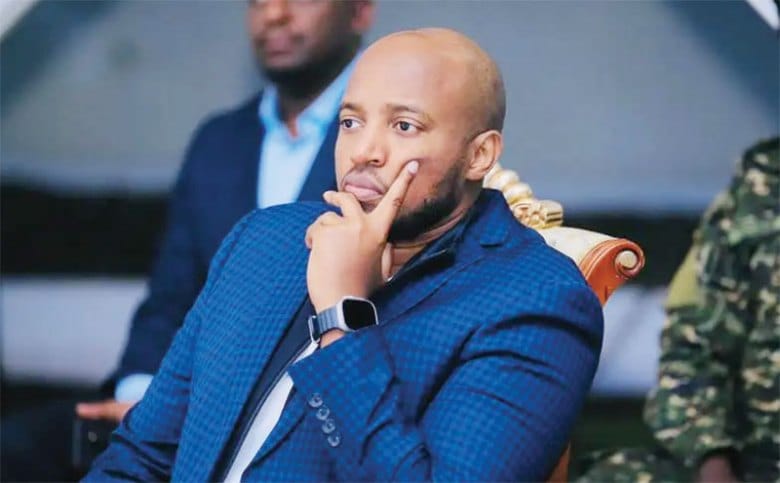
The illness that became public only days before his death
For much of August, information about Oyo’s health remained limited.
On August 3, the Tooro Kingdom said the King had travelled abroad for official engagements and further studies, following reports circulating about his health.
The situation changed dramatically on August 27.
With reports about his condition spreading, the Kingdom acknowledged that Oyo was critically ill and receiving medical care in the United States. Officials appealed for prayers and urged the public not to spread unverified information.
No official statement disclosed the specific illness affecting the monarch.
Within hours, the Kingdom announced his death.
That sequence — uncertainty, confirmation of critical illness and then death — left many Ugandans struggling to process the loss of a monarch who had spent virtually his entire life in the public eye.
A private king with a public legacy
Despite his international profile, Oyo generally maintained a relatively private personal life.
He was unmarried when he died but left behind a son who has been identified by the Kingdom as the heir to the Tooro throne. The Kingdom has said the identity of the prince will be formally revealed at the appropriate time in accordance with Tooro customs and traditions.
His death therefore does not mark the end of the Tooro monarchy.
Instead, it begins another chapter.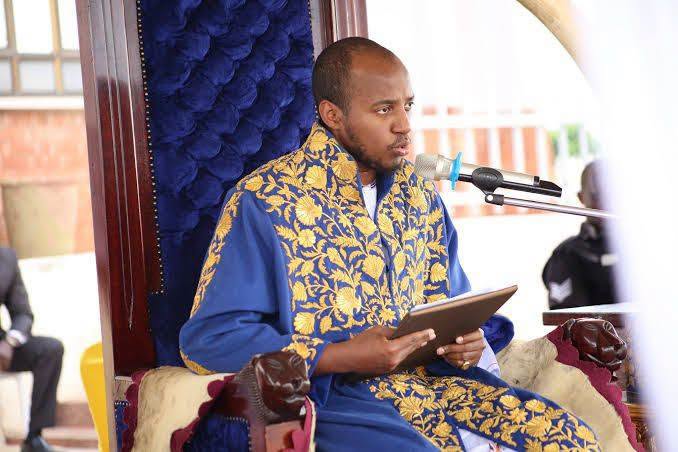
The Kingdom has already assured its subjects that the institution of the Omukama will continue, even as preparations are made to mourn and eventually bury the late King.
A kingdom enters mourning
At Karuziika Palace in Fort Portal, the mood following Oyo’s death has been one of grief and uncertainty.
Security was tightened around the palace as kingdom officials, members of the royal family and mourners began gathering. Access to parts of the palace was restricted, creating tension at the gates as people attempted to enter and pay their respects.
The restrictions added another layer to an already emotional moment for the Batooro.
For a generation that watched Oyo grow from a three-year-old boy into an adult monarch, his death represents more than the passing of a traditional ruler.
It is the end of an era.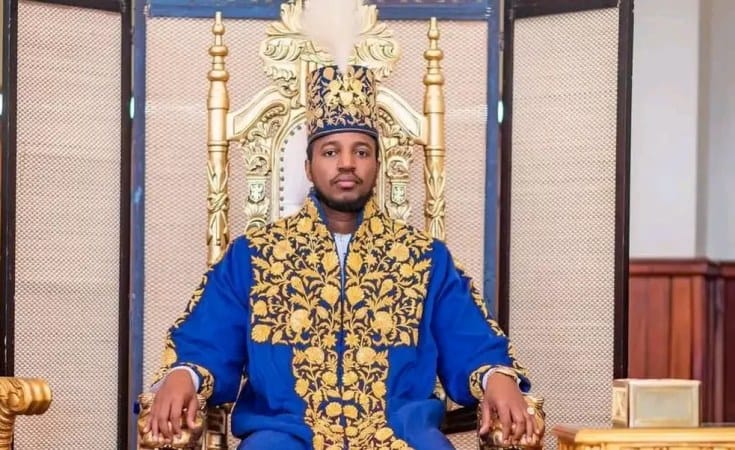
Oyo inherited the Tooro crown before he was old enough to understand what kingship meant. He grew up under its weight, learned to carry its traditions and eventually became the man behind the crown.
He ruled for almost 31 years.
Now, at just 34, his reign has ended.
The boy king who once captivated the world with his age leaves behind a kingdom preparing to mourn him, a son who stands in line to inherit his legacy, and a generation of Batooro for whom King Oyo was not simply the monarch they saw at ceremonies.
He was the king they grew up with.