Local News
Exclusive: The Six Officials Dismissed in Museveni’s Anti-Corruption Purge Revealed
Exclusive: The Six Officials Dismissed in Museveni's Anti-Corruption Purge Revealed

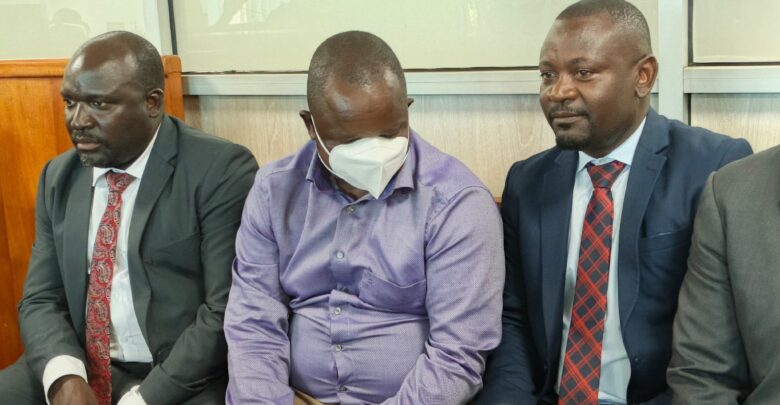
KAMPALA — President Yoweri Kaguta Museveni has quietly executed one of the most sweeping anti-corruption purges of his presidency, dismissing or placing on forced leave six senior government officials across two separate ministries in the space of just eight weeks — a crackdown stretching from the corridors of the Ministry of Internal Affairs to the engineering offices of the Ministry of Works and Transport.
The full picture of who has been removed, why, and what it reveals about the scale of Uganda’s public sector corruption crisis can now be reported.
**WAVE ONE: THE CCTV SCANDAL — THREE OFFICIALS, Shs31.37 BILLION**
The first purge was triggered by a scandal inside one of the government’s most sensitive security infrastructure programmes — Uganda’s national CCTV and Command Centre network.
In a May 23, 2026 directive addressed to Head of Public Service and Secretary to Cabinet Lucy Nakyobe Mbonye, Museveni ordered three senior officials to proceed on immediate forced leave for six months while the State House Anti-Corruption Unit completed its investigation.
The three are:
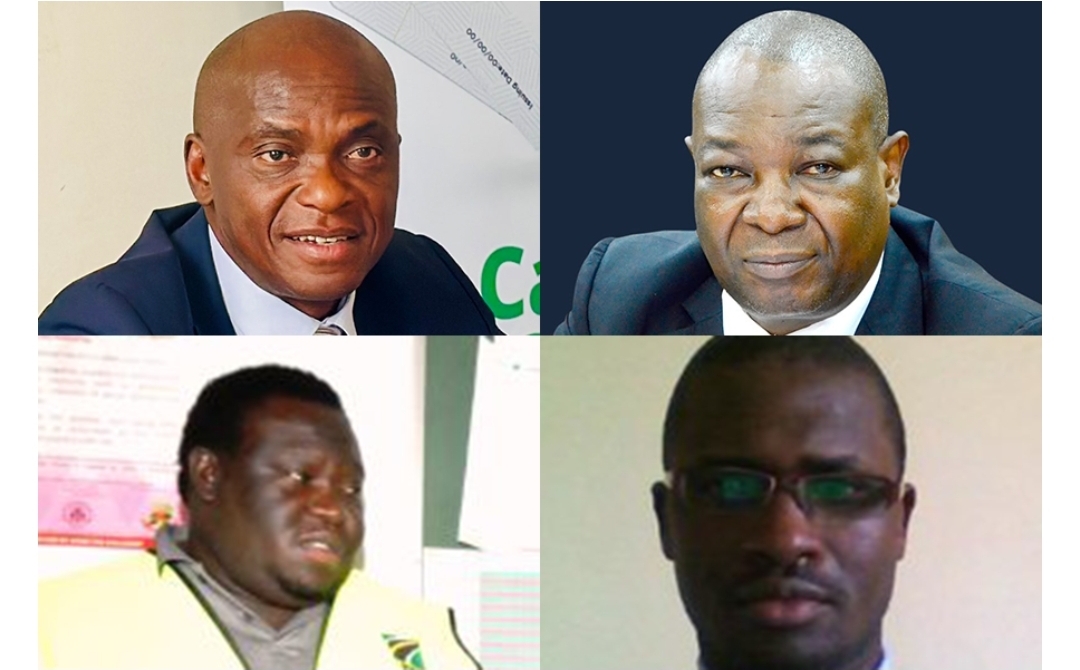
**1. Lt Gen Joseph Musanyufu** — Permanent Secretary, Ministry of Internal Affairs. One of Uganda’s most senior security technocrats, Musanyufu was directed to step aside pending the outcome of the investigation. His removal from the ministry sent immediate shockwaves through the security establishment.
**2. Mr Aggrey Wunyi** — Under-Secretary, Uganda Police Force. Wunyi was among the officials singled out by name in Museveni’s letter as requiring immediate removal from office while investigations proceeded.
**3. AIGP Felix Baryamwitsaki** — Assistant Inspector General of Police. Senior police commander Baryamwitsaki was directed to step aside in a separate instruction copied to him alongside the main directive.
The scandal that brought down all three centres on Dealan Associates Limited, a private Ugandan firm selected by the Ministry of Internal Affairs to maintain Uganda’s road surveillance camera infrastructure after Chinese technology giant Huawei — the original installer — shifted maintenance responsibilities following US and EU sanctions in 2019. Despite the Ministry of Finance releasing Shs31.37 billion for the works, the contractor was allegedly never paid. According to Museveni’s letter, ministry officials — working through a middleman identified as Hassan Serunjoji — allegedly demanded bribes before releasing the funds. The cameras fell into disrepair. Investigations by the State House Anti-Corruption Unit, triggered by a report from Major General Kahinda Otafiire, led directly to the three officials’ removal.
**WAVE TWO: THE EXPRESSWAY SCANDAL — THREE ENGINEERS AND A PS, Shs1.35 TRILLION**
Less than six weeks later, a second, equally dramatic purge swept through the Ministry of Works and Transport — this time centred on one of Uganda’s most troubled infrastructure projects: the Busega-Mpigi Expressway.
New Vision, which published the most detailed account of this second wave, reported that Museveni had ordered the sacking of six Works Ministry engineers. Three have been publicly confirmed:
**4. PS Waiswa Bageya** — Permanent Secretary, Ministry of Works and Transport. Bageya, one of Uganda’s most senior infrastructure technocrats, was interdicted and placed on forced leave — the second sitting PS to fall in Museveni’s purge in the space of eight weeks.
**5-6. Three Senior Engineers (Names Withheld Pending Formal Notification)** — According to Minister of Works Fred Byamukama, a number of engineers have been directed to record statements at the Inspectorate of Government, with several already suspended pending the investigation’s outcome. “The people who are suspected were implicated. That is why you saw the Permanent Secretary being interdicted,” Byamukama told journalists this week. “We have a number of engineers recording statements at the IGG, and even those who left government are being investigated.”
The scandal at the heart of this second purge is the catastrophic cost overrun and alleged corruption on the 23.7-kilometre Busega-Mpigi Expressway — a flagship road project whose contracted cost ballooned from approximately Shs547.5 billion at signing to Shs1.35 trillion by May 2023, while physical progress stood at just 40.86% when the original contract funds were entirely depleted in 2024. Independent government audits flagged severe irregularities in procurement, with allegations of deliberate delays in approving designs and processing certificates to inflate project costs, land valuation manipulation, and illegal encroachment on the expressway’s gazetted corridor — in some cases by individuals who had already received compensation payments. The Inspectorate of Government, which carried out an impromptu inspection, said concerns about manipulation of compensation claims and illegal corridor development remained active.
The project, now relying on a fresh €217 million injection from the African Development Bank approved in December 2025, is not expected to be completed until at least December 2028 — a timeline the minister himself acknowledged may slip further.
*THE WIDER PICTURE
Museveni’s twin purges did not emerge from nowhere. They are the most visible executive response to date to a corruption crisis the Inspector General of Government estimates costs Uganda approximately Shs10 trillion annually — money that should be building roads, hospitals and schools.
The president’s language has grown markedly sharper in recent months. At the opening of the 12th Parliament in May, he declared “enough is enough,” threatening to dismiss any minister who failed to deliver on development programmes. The forced leaves of six senior officials — two Permanent Secretaries and four engineers and police commanders — represent the most concrete action that rhetoric has produced.
Analysts tracking Uganda’s international borrowing relationship note a second dimension to the crackdown. With Uganda seeking continued financing from the African Development Bank and other international lenders for large infrastructure projects, a visible and documented anti-corruption response — including the suspension of named, senior implicated officials — sends a signal to those lenders that accountability exists within the system.
Whether that signal translates into lasting institutional reform, or whether it remains a targeted removal of individuals while the systems that produced the corruption remain intact, is the question Uganda’s civil society, its auditors and its international partners will be watching to answer
SOURCE NILEPOST