International News
US, Iran Trade Fire for Second Straight Night as Ceasefire Collapses
US, Iran Trade Fire for Second Straight Night as Ceasefire Collapses

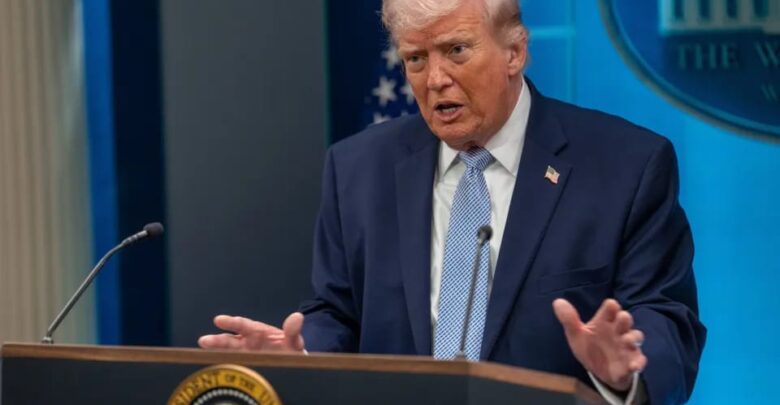
The United States and Iran exchanged strikes for a second consecutive night into Thursday, deepening a rupture in their fragile truce after President Donald Trump declared the ceasefire “over” and warned of harsher retaliation if Iranian attacks on shipping continued.
The US military said it struck roughly 90 military targets along Iran’s coastline, part of an intensifying campaign that has now hit close to 170 sites in two days of renewed fighting. Iran’s Islamic Revolutionary Guard Corps said it retaliated with strikes on US military installations in Bahrain and Kuwait, while Iran’s army said it targeted a US site in Qatar, triggering security alerts across all three Gulf states. The IRGC also said it shot down an American MQ-9 Reaper drone.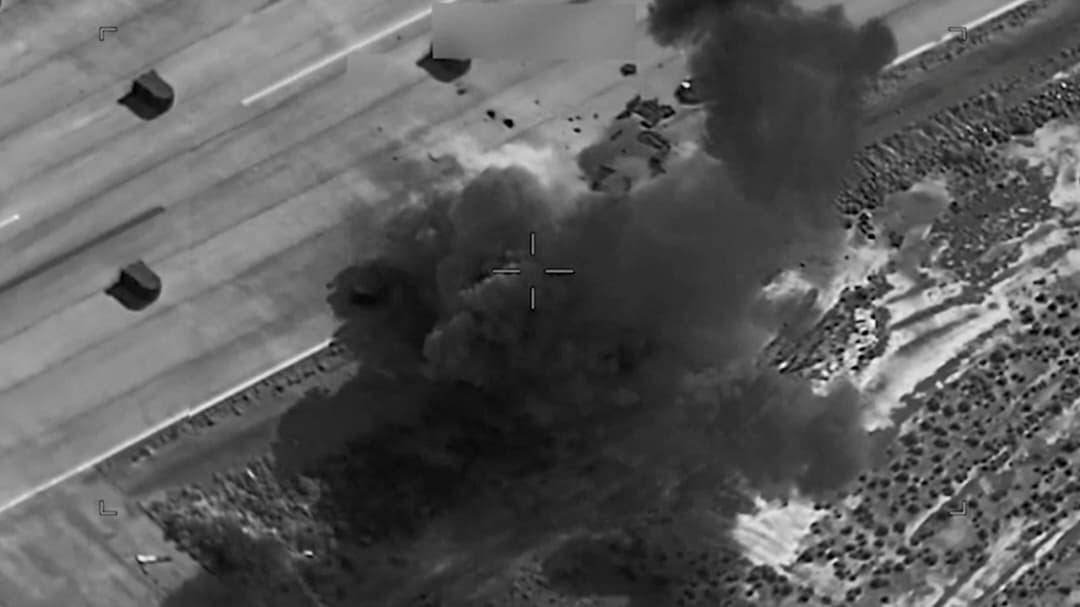
Iran’s Foreign Ministry said the latest wave of American strikes hit civilian infrastructure, including two railway bridges on the route to Mashhad, where Supreme Leader Ayatollah Ali Khamenei — killed in the US-Israeli strikes that opened the war in February — was due to be buried Thursday. Videos verified by international broadcasters showed a damaged railway bridge in Golestan province, roughly 900 miles from the Strait of Hormuz, marking a rare strike far from the waterway that has been the focus of most recent fighting. Tehran called the attacks a “gross war crime.”
Iran’s health ministry reported Thursday that at least 14 people had been killed and 78 wounded across the two days of US strikes, with 47 still hospitalised.
The renewed hostilities follow Iranian attacks on commercial tankers in the Strait of Hormuz earlier this week, which prompted the initial round of American strikes and led the US Treasury to revoke a waiver that had permitted limited Iranian oil sales under the ceasefire terms. Speaking at a NATO summit in Ankara, Trump said he considered the truce finished, calling Iran’s leadership “scum” and “cuckoo,” though he said talks could continue and downplayed the likelihood of prolonged military action. He warned that further attacks on shipping would prompt an even harsher response.
Iran’s Foreign Ministry countered that Washington had itself violated the memorandum of understanding signed last month, citing the revoked oil waiver, continued interference with Iranian operations in the strait, and what it called US failure to restrain Israeli strikes on Hezbollah in Lebanon.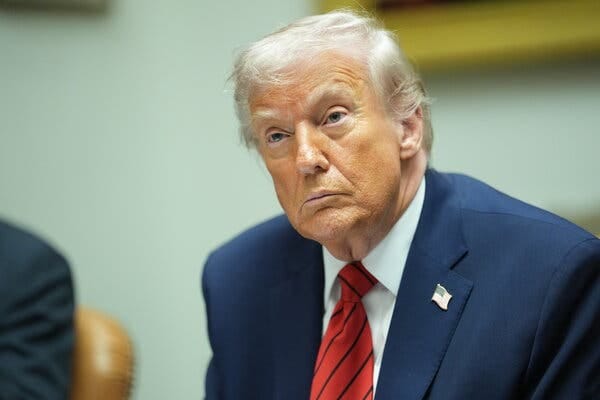
Analysts say the shaky truce has struggled to hold partly because Iran’s civilian government, which signed the June memorandum, has limited authority over the Revolutionary Guard Corps, which controls the country’s missile arsenal and answers only to the supreme leader. Shipping traffic through the Strait of Hormuz — a corridor carrying roughly a fifth of global oil supply — has reportedly dropped sharply since the fighting resumed, and oil prices have climbed on fears of a wider disruption. Trump has also floated reinstating a naval blockade and striking Iranian power and desalination plants, measures international law experts warn could constitute war crimes.
The escalation has cast fresh doubt on whether the two sides remain committed to a lasting settlement, with the ceasefire’s mid-August deadline for a permanent deal now looking increasingly uncertain.
SOURCE BBC NEWS